South Africa Hospital Now Screens All Newborns for Hearing
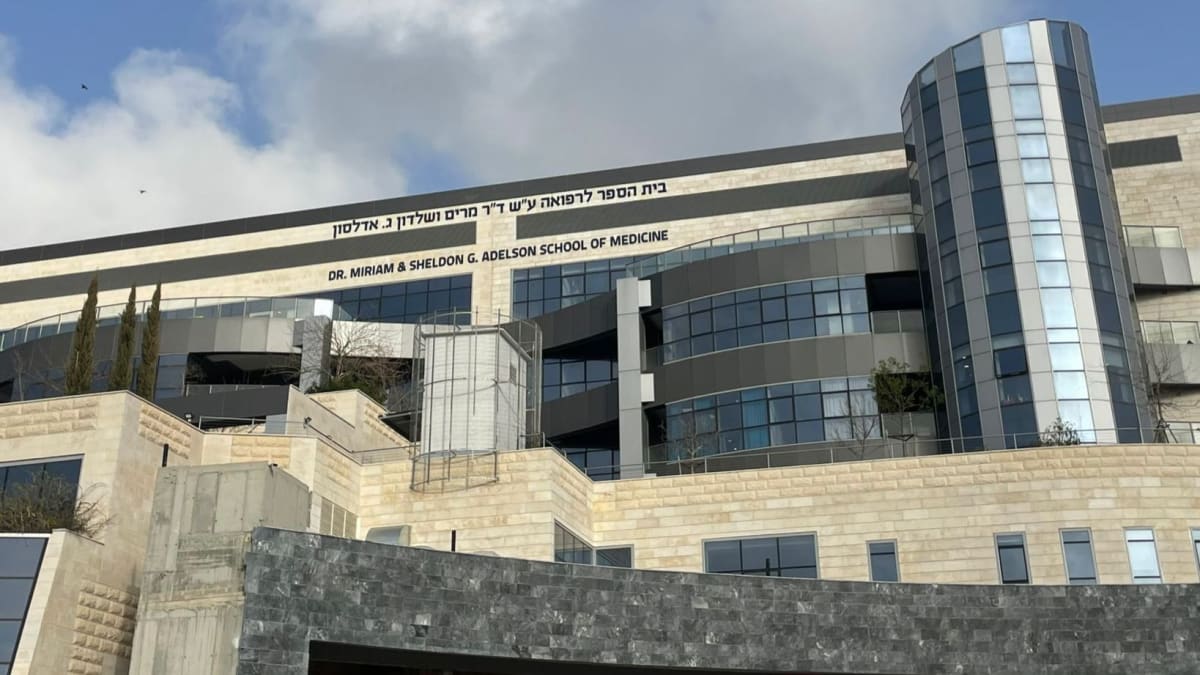
Tygerberg Hospital in South Africa just became one of the country's first public hospitals to screen every newborn for hearing loss, a game-changer for thousands of babies. Early detection means these children can now develop language skills alongside their hearing peers.
Every year in South Africa, more than 6,100 babies are born with hearing loss or develop it shortly after birth, but most aren't diagnosed until after their crucial language-learning years have passed.
That's changing at Tygerberg Hospital near Cape Town. In 2025, the hospital expanded its screening program to test all newborns for hearing loss, not just high-risk babies. It's now one of only a handful of public hospitals in the country offering universal screening.
The timing matters more than most people realize. "We actually start hearing before we are born," says Sarah Lange, head of audiology at the Carel du Toit Centre, a specialized school for hearing-impaired children on Tygerberg's grounds. Our brains build neural pathways for communication most easily before age three, and with intervention, up to age five or six.
Without early detection, a child's visual processing can take over the space meant for hearing. If intervention happens too late, learning to communicate becomes significantly harder.
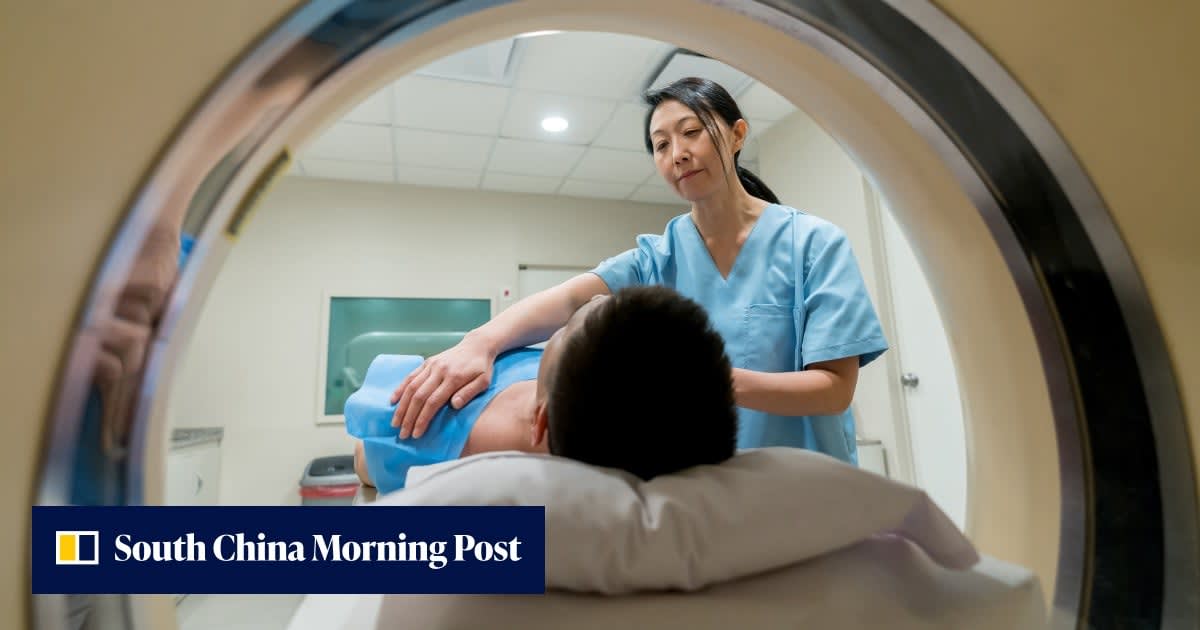
The screening itself is remarkably simple. Tygerberg uses a painless test called Automated Auditory Brainstem Response. A technician places a headphone and electrode on the baby's ear and forehead, plays a sound, and measures the brain's response. The whole process takes just minutes.
Since the program began in 2016 with high-risk babies, Tygerberg has screened 31,500 newborns using four machines. The expansion to all babies means thousands more will get the early start they need.
At Mowbray Maternity Hospital in Cape Town, Dr. Jessica McGuire runs a similar program through her nonprofit HEAR-Hope, reaching 90% of the 9,000 to 10,000 babies born there annually. These two hospitals are leading the way toward what experts hope will become standard care across South Africa.
The Ripple Effect
Early hearing detection doesn't just help individual children. It strengthens entire families and communities. The vast majority of hearing-impaired children are born to parents who can hear, and early intervention allows these families to connect and communicate from day one.
When children with hearing loss receive support before age three, they can develop language skills on par with their hearing peers. They can attend mainstream schools, build friendships, and fully participate in their communities. What starts as a simple screening test ripples outward into educational opportunities, social connections, and futures without barriers.
International guidelines recommend a four-step process: screening, diagnosis, intervention, and ongoing support. South Africa still doesn't mandate universal newborn hearing screening nationwide, but programs like Tygerberg's prove it's possible in public hospitals. Every baby screened is another chance for a child to grow up with full access to language, learning, and connection.
Thousands of South African families now have something they didn't before: the gift of early answers and early action.
More Images


Based on reporting by AllAfrica - Health
This story was written by BrightWire based on verified news reports.
Spread the positivity!
Share this good news with someone who needs it