South Africa Invests Big in Homegrown Science and Tech
South Africa just unveiled an ambitious plan to build its own vaccine factories, green energy tech, and space programs while creating thousands of science jobs. The country is betting that homemade innovation can power its economy and reduce reliance on foreign systems.
South Africa is placing a bold bet that homemade innovation can transform its economy and improve millions of lives.
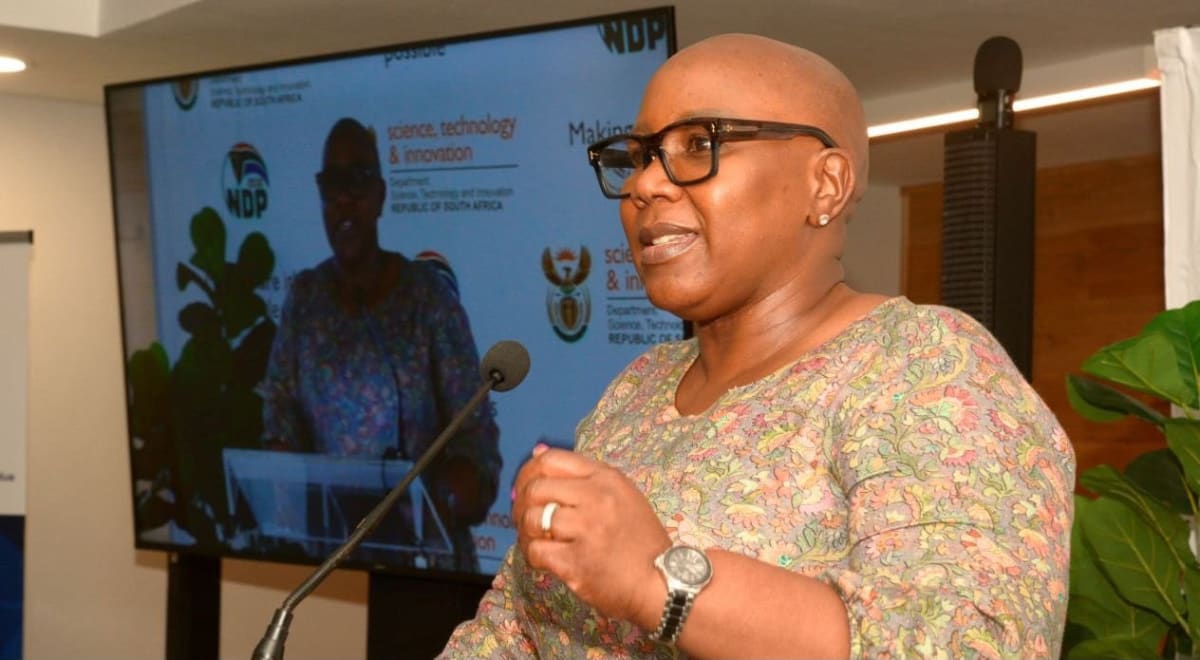
The Department of Science, Technology and Innovation presented its 2026/27 budget this week, laying out a sweeping plan to make the nation a science powerhouse. Minister Prof. Blade Nzimande and Deputy Minister Dr. Nomalungelo Gina outlined how South Africa will invest in everything from vaccine manufacturing to space exploration.
The strategy centers on building what officials call "sovereign capabilities." That means creating technologies and systems the country can control itself, rather than depending on other nations.
Three areas are getting special attention. South Africa plans to expand its ability to make vaccines at home, a lesson learned from global supply chain struggles. The country is also investing heavily in green hydrogen technology as the world shifts away from fossil fuels. And major space science initiatives are moving forward, positioning South Africa as a continental leader in satellite and space research.
The plan tackles more than just technology. Officials emphasized that building a diverse scientific workforce is essential to the strategy's success. They want the people doing breakthrough research to reflect South Africa's full population, not just a privileged few.
This workforce development push aims to train thousands of scientists and engineers in emerging fields like artificial intelligence, biotechnology, and renewable energy. The goal is creating good jobs while solving real problems in agriculture, mining, and the digital economy.
The Ripple Effect
When countries invest in their own innovation ecosystems, the benefits multiply across society. Vaccine manufacturing capacity means faster responses to health crises and lower costs for medicines. Green hydrogen projects create construction jobs now and clean energy jobs for decades. Space programs inspire students to pursue science careers while delivering practical tools like improved weather forecasting and agricultural monitoring.
South Africa's approach recognizes that scientific progress and social progress go hand in hand. By intentionally developing talent from communities historically excluded from high-tech fields, the country is ensuring that innovation benefits everyone, not just the already wealthy.
The Decadal Plan framework guiding these investments focuses on tangible improvements to daily life. Better farming techniques to increase food security. Modernized mining operations that are safer and more sustainable. Digital infrastructure that connects rural communities to economic opportunities.
Officials believe this innovation-led approach will strengthen South Africa's competitiveness globally while building resilience at home. Instead of watching other countries develop critical technologies, South Africa is choosing to be a creator, not just a consumer.
The budget presentation signals a long-term commitment to science as an economic engine. In a world where technological capability increasingly determines national prosperity, South Africa is making sure it has a seat at the table.
Based on reporting by Google News - Africa Innovation
This story was written by BrightWire based on verified news reports.
Spread the positivity!
Share this good news with someone who needs it