South Africa Makes 33 Rhinos Radioactive to Stop Poachers
Scientists in South Africa are inserting harmless radioactive pellets into rhino horns, making them detectable at borders and unsafe to consume. The innovative approach has already proven it can spot a single horn hidden in a shipping container.
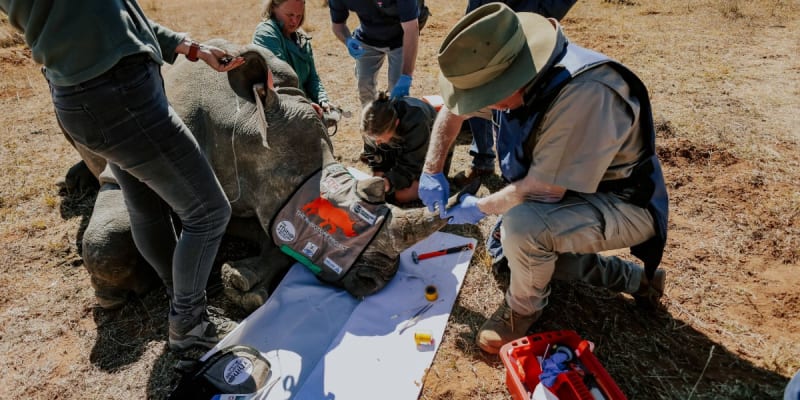
Imagine a rhino that's essentially unharmable by poachers because its horn has become worthless on the black market. That's exactly what 33 South African rhinos became in 2024 when scientists fitted them with tiny radioactive pellets.
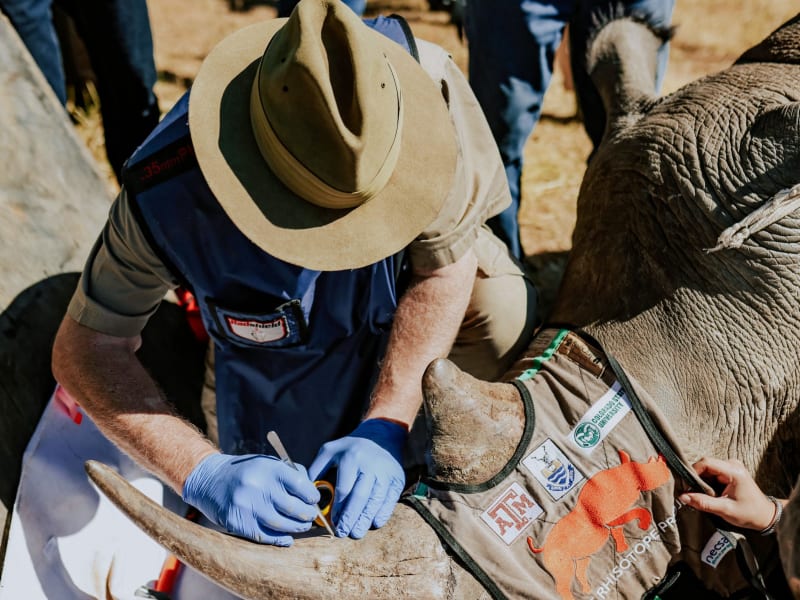
The Rhisotope Project drilled low-level radioactive isotopes into the horns of rhinos at Limpopo Rhino Orphanage. The pellets don't harm the animals, but they make the horns detectable by thousands of radiation monitors already stationed at airports and shipping terminals worldwide.
Since 2007, poachers have killed 10,000 rhinos in South Africa alone, driven by a black market where horn fetches $60,000 per kilogram for traditional medicines. Old solutions like cutting off horns required repeated sedation every 18 months and left rhinos defenseless and socially withdrawn.
This new approach costs about $1,300 per animal and lasts five years. In November 2024, the team tested their system at New York airports and harbors with US Customs and Border Patrol, successfully detecting a single tagged horn hidden inside a full 40-foot shipping container.
James Larkin, the nuclear safety expert who pioneered the project, initially worried about the risks. But he realized the isotope dose could be harmless to everyone while making horns both detectable and potentially unsafe to consume, rendering them worthless.
"It's almost impossible to remove isotopes unless you are a skilled radiation protection officer who knows what they are looking for," Larkin explains. He keeps the compound's details secret to avoid helping criminals find workarounds.
Warning signs along perimeter fences now alert potential poachers that the animals are tagged. The psychological deterrent adds another layer of protection before anyone even attempts an attack.
The Ripple Effect
South Africa's health agency approved the nationwide rollout in July. The project aims to treat 500 rhinos yearly and is already adapting the technology for elephant tusks, pangolin scales, and trafficked plants like cycads.
The innovation comes at a crucial time, as the UN seeks to end wildlife trafficking by 2030. While a recent UN report found "no reason for confidence" that target would be met, technologies like Rhisotope offer genuine hope.
With 15,000 rhinos in South Africa representing most of Africa's total population, protecting them protects the species. The approach gives conservationists a fighting chance against the world's fourth-most-lucrative criminal enterprise, valued at $20 billion annually.
What started as one nuclear expert's wild idea is now saving the world's remaining rhinos, one harmless pellet at a time.
More Images

Based on reporting by MIT Technology Review
This story was written by BrightWire based on verified news reports.
Spread the positivity!
Share this good news with someone who needs it