South Africa's Clean Energy Surges With Corporate Power
South African companies are investing big in solar and wind power, funding nearly three-quarters of the country's new renewable energy projects. This corporate-led clean energy boom signals the end of the nation's worst power crisis.
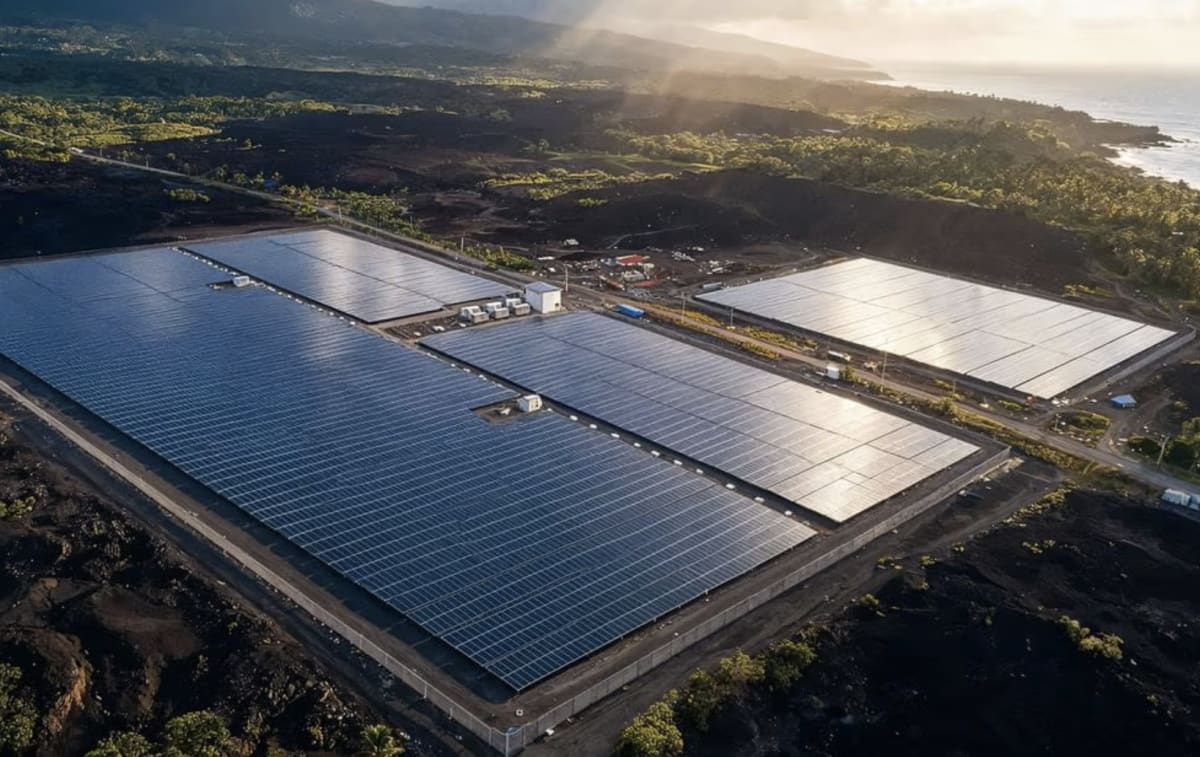
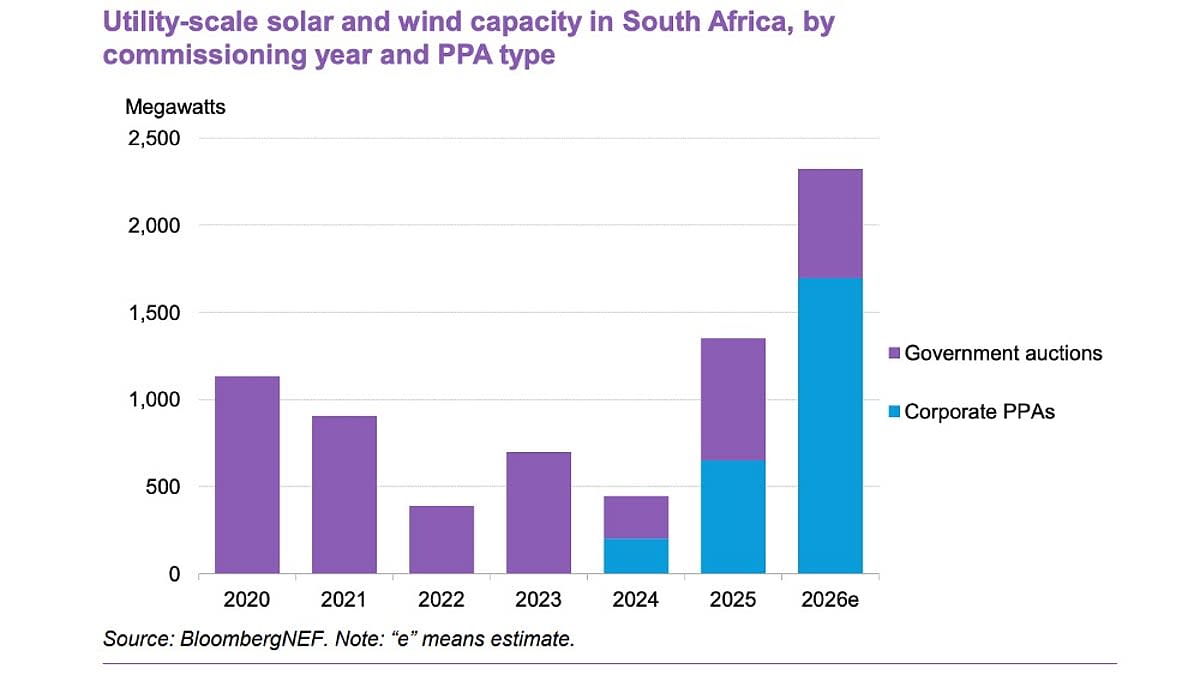
South Africa is about to add enough solar and wind power to light up millions of homes, and it's businesses leading the charge. Companies will fund 73% of the country's 2.3 gigawatts of new renewable energy capacity in 2026, marking the first time corporate buyers are driving more clean power growth than government programs.
The shift comes as South Africa emerges from years of crippling blackouts that forced families and factories into darkness for hours each day. That crisis sparked an energy revolution, with private companies now committing to build their own clean power sources rather than wait for the national grid to catch up.
Since 2020, South African businesses have signed contracts for 5 gigawatts of clean electricity. That's enough to power roughly 3 million homes and represents a massive vote of confidence in renewable energy's reliability and cost savings.
Solar panels are winning the price war too. Corporate solar contracts now average about 9% less per unit of electricity than wind power, making sunshine South Africa's cheapest new energy source.
The momentum isn't slowing down. Bloomberg New Energy Finance projects solar and wind capacity will more than double from 18 gigawatts in 2025 to 38 gigawatts by 2030, overtaking the country's planned coal capacity for the first time in its history.
The Ripple Effect
This corporate clean energy wave is transforming more than just electricity bills. As companies build their own solar farms and wind turbines, they're creating thousands of construction jobs and opening new opportunities for local manufacturers and installers.
The renewable boom is also helping South Africa retire aging coal plants that have polluted communities for decades. Coal's share of the country's electricity has already dropped from 90% in 2015 to 78% in 2025, with much steeper declines ahead.
By 2050, analysts predict solar and wind will supply 69% of South Africa's electricity needs. That transformation means cleaner air, more reliable power, and proof that businesses can be powerful climate champions when the economics make sense.
There's still work to do. Transmission lines need upgrades to handle all this new clean power, and companies are still figuring out how to maximize battery storage systems.
But the direction is clear: South Africa's businesses aren't waiting for permission to build a cleaner energy future.
Based on reporting by Google: clean energy investment
This story was written by BrightWire based on verified news reports.
Spread the positivity!
Share this good news with someone who needs it