%2Ffile%2Fdailymaverick%2Fwp-content%2Fuploads%2FBM-Ed-FoodInflation-option-4.jpg)
South Africa's Food Prices Hit 16-Year Low at 0.6%
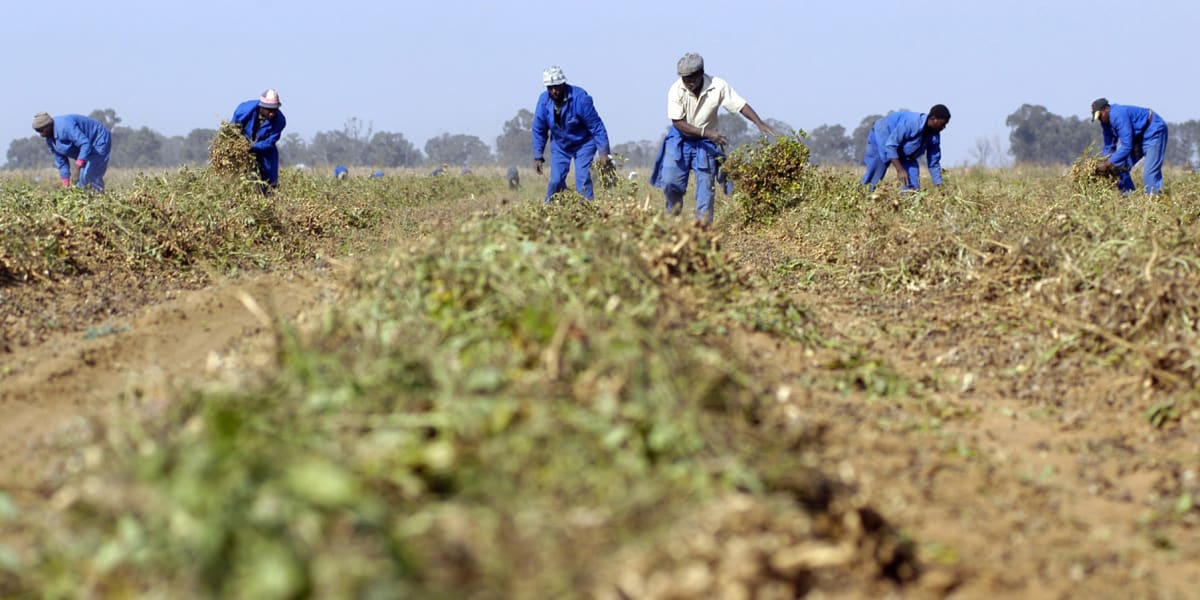
Families across South Africa are getting relief at the grocery store as food inflation drops to just 0.6%, the lowest rate since 2010. A record maize harvest and falling global prices are putting more money back in people's pockets when they need it most.
Families across South Africa are getting relief at the grocery store as food inflation drops to just 0.6%, the lowest rate since 2010. A record maize harvest and falling global prices are putting more money back in people's pockets when they need it most.
The July numbers tell a story of real relief for households that have struggled with rising food costs. Food inflation cooled dramatically from recent years, when families spent larger and larger shares of their income just to put meals on the table.
The drop in food prices helped overall consumer inflation fall to 4.3% in July from 5.0% in June. This marked the first time in five months that the overall inflation rate declined, giving breathing room to households across the income spectrum.
Several staples saw prices actually fall compared to last year. Beetroot prices dropped more than 23%, while soft citrus fell over 22% thanks to an excellent harvest season.
The most meaningful change came in maize meal, the daily staple for millions of lower-income South African families. Prices fell 3.1% in just one month from June to July, a direct result of the country's record maize harvest.
Out of 144 food and beverage items tracked, many now cost less than they did a year ago. This deflationary trend for basics means family grocery budgets can stretch further to cover other essential needs.
The Ripple Effect
When food prices ease, the benefits spread throughout communities in ways that aren't always visible in statistics. Parents can afford school supplies they had to skip before. Families can buy medicine without choosing between meals and healthcare.
Lower food inflation also helps prevent wage pressures and keeps expectations stable, creating a healthier economic environment for everyone. The South African Reserve Bank's decision to hold interest rates steady looks increasingly wise as these numbers confirm cooling inflation across the board.
Small businesses benefit too, as customers have more money to spend beyond just groceries. Retail trade may be sluggish overall, but easing food costs give households more flexibility in their budgets.
For a country facing a 33.6% unemployment rate and slow economic growth, relief at the checkout counter matters more than ever. Every rand saved on maize meal or produce is a rand that can go toward building a more stable household budget.
This isn't just about percentages and statistics. It's about real families feeling less financial pressure when they shop for dinner, about parents who can say yes instead of no, about communities getting a chance to breathe easier after years of mounting food costs.
More Images

%2Ffile%2Fattachments%2F2996%2FScreenshot2026-08-19at155750_826613.png)
%2Ffile%2Fattachments%2F2996%2FScreenshot2026-08-19at155048_326400.png)
Based on reporting by Daily Maverick
This story was written by BrightWire based on verified news reports.
Spread the positivity!
Share this good news with someone who needs it
%2Ffile%2Fattachments%2Forphans%2FWA_17857680475281_838328.jpg)
%2Ffile%2Fattachments%2Forphans%2FED_618526_241432.jpg)