South African School Cooks with Cow Dung, Saves Forest
More than 1,000 students at a South African school now eat meals cooked with biogas made from cattle manure instead of firewood. This community-led project is protecting local forests while turning waste into clean energy.
Four volunteers in Tiyani village, South Africa, start each weekday with an unusual task: collecting cow dung with an ox-drawn cart. But they're not farmers. They're fuel gatherers for a school kitchen that runs on biogas.
Tiyani Secondary School in Limpopo province now cooks breakfast and lunch for 1,054 students using methane gas created from cattle manure. The community volunteers collect dung from nearby households, mix it with water, and feed it into an airtight digester where microbes transform it into cooking fuel.
The pilot project launched in 2022 with support from the University of Venda. Before biogas, the school relied entirely on firewood, putting pressure on local forests as trees were cut faster than they could regrow.
"We never imagined that something we regarded as waste could become a source of energy," project manager Fosta Chavalala told Mongabay. The school still uses some firewood when cow dung runs low, but the goal is to expand the system and rely more on gas.
David Tinarwo, who leads the Biogas Research team at the University of Venda, said the project solves two problems at once. It reduces deforestation while making productive use of livestock waste that was already abundant in the community.
The Ripple Effect
Beyond saving trees, the project is cutting greenhouse gas emissions in an unexpected way. When cow manure decomposes naturally, it releases methane into the atmosphere. By capturing that gas in a digester, the school prevents those emissions while creating clean cooking fuel.
Bornface Siliya Kenan Zulu, a renewable energy engineer in Zambia, says community-scale biogas projects like this one can make a real environmental difference. The key to success is maintaining a steady supply of manure and keeping the equipment in good shape.
The Tiyani project does face hurdles. Some cattle owners live too far away or don't want to participate, making collection time-consuming for volunteers. The school has only one three-plate gas stove, which limits how much of the available biogas gets used.
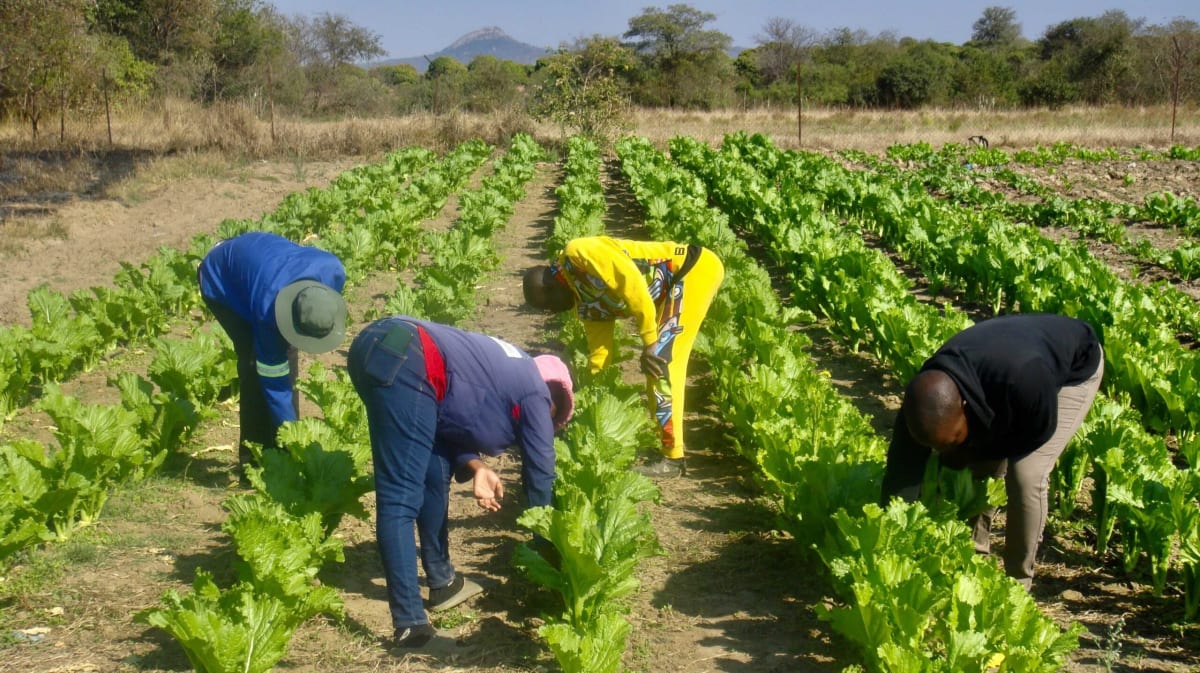
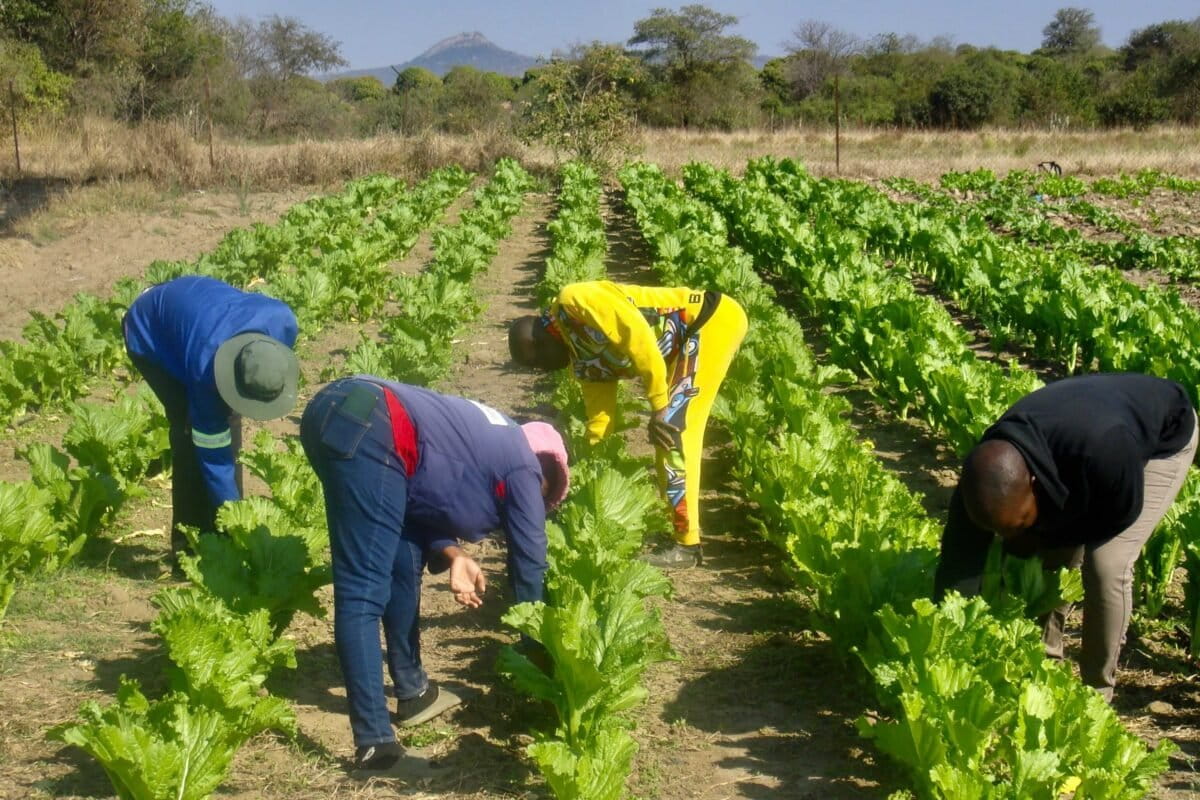
Still, the community remains committed. Volunteers and school staff jointly maintain the 4-by-12-meter digester site with university funding. After the biogas is extracted, the leftover manure fertilizes the school's vegetable garden, creating yet another benefit from what was once considered waste.
What started as an experiment is now feeding over a thousand students daily while protecting the forests around them.
More Images
Based on reporting by Mongabay
This story was written by BrightWire based on verified news reports.
Spread the positivity!
Share this good news with someone who needs it
%2Ffile%2Fattachments%2Forphans%2FED_618526_241432.jpg)