South Korea's AI Network Tech Cuts Mobile Energy Use 20%
South Korean researchers just unveiled AI-powered network technology that slashes mobile base station energy use by more than 20 percent. The breakthrough could save the communications industry $85 million annually while paving the way for greener 6G networks. ##
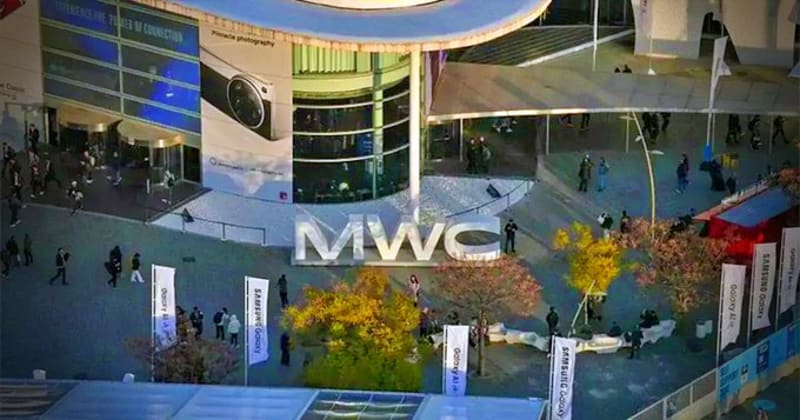
Your phone's connection just got a lot greener. South Korean researchers revealed breakthrough AI technology at Mobile World Congress 2026 that cuts mobile network energy consumption by over 20 percent, a massive win for both the planet and telecommunications costs.
The Electronics and Telecommunications Research Institute (ETRI) showcased smart base station software that predicts traffic patterns in real time and adjusts power use accordingly. Since base stations gobble up 70 percent of all energy used in mobile networks, even a 20 percent reduction makes a huge difference.
Here's what makes it special: the software works with any equipment brand and uses the latest 5G-Advanced standard, the stepping stone between today's 5G and tomorrow's 6G networks. AI algorithms watch network traffic constantly, spotting waste and dialing back power when it's not needed.
The technology already holds 34 patents and appears in five international standards. Two South Korean companies have licensed it, bringing the innovation from lab to real world.
The numbers tell an impressive story. South Korea's Ministry of Science and ICT estimates the technology could trim annual network operating costs by about $85 million from a total $850 million spend. ETRI plans to push savings even higher to 30 percent by integrating domestically made AI chips.
Meanwhile, Yonsei University teamed up with Singapore University of Technology and Design and U.S. company Viavi on another breakthrough. Their large language model controls antenna signals, switching radio waves on and off and adjusting beam directions based on real-time conditions.
In testing environments with irregular signals, the LLM approach nearly doubled data speed (up 95.7 percent) and boosted stability from 29 percent to 90 percent compared to older AI models. Even in stable conditions, it improved throughput by 3 percent and stability by 12.4 percent.
The research earned a spotlight at the AI-RAN Alliance booth, led by tech giants Nvidia and SoftBank. A total of 199 South Korean organizations participated in the conference, showcasing advances in 6G, AI, and satellite communications.
The Ripple Effect
This technology arrives at the perfect moment. As AI demands more computing power and people stream more data, mobile networks face mounting pressure to reduce their carbon footprint. These innovations prove that networks can get smarter and greener at the same time.
The collaboration between government, universities, and companies shows what's possible when different sectors work toward a common goal. South Korea's success could inspire similar partnerships worldwide, accelerating the shift to energy-efficient communications everywhere.
The savings extend beyond money. Less energy waste means fewer emissions from power plants and a lighter environmental load as billions more devices come online in the 6G era.
South Korea's technology leadership in this space could influence how next-generation networks get built globally, embedding energy efficiency into the foundation rather than adding it as an afterthought.
Countries racing to deploy 6G now have a proven playbook for doing it sustainably, thanks to research that makes environmental responsibility and technological advancement partners instead of competitors.
##
More Images

Based on reporting by Regional: south korea technology (KR)
This story was written by BrightWire based on verified news reports.
Spread the positivity!
Share this good news with someone who needs it