South Korea's Stock Boom Creates 8 Million New Investors
South Korea's stock market has nearly doubled in six months, transforming from an investing backwater into the world's best-performing major index. More than 8 million everyday citizens have joined the market since 2019, benefiting from bold government reforms.
When Kim Ha-young had extra cash after paying her apartment deposit last year, the Seoul office worker did something she'd never tried before: she bought stocks.
With no research, Kim picked Samsung Electronics and SK Hynix simply because "when you think of Korea, you think of Samsung, right?" Within months, both investments more than doubled in value.
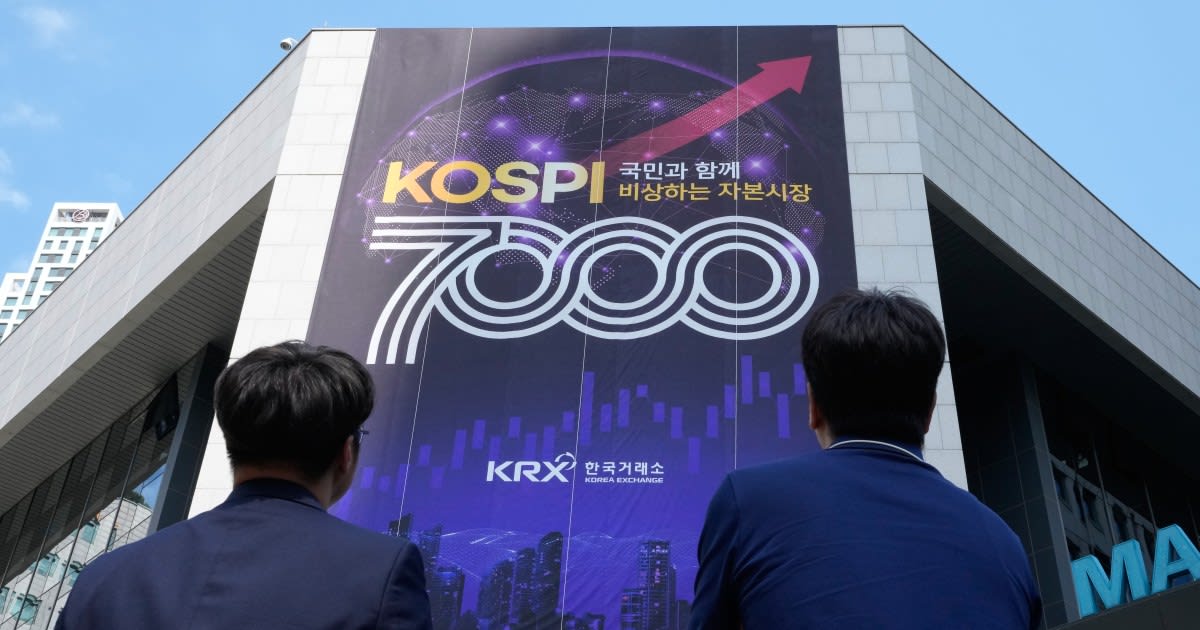
Kim is part of a financial revolution sweeping South Korea. The number of citizens owning stocks has surged from 6 million in 2019 to more than 14.5 million today, as the country's Kospi index has nearly doubled in just six months.
The transformation marks a stunning turnaround for a market once infamous for the "Korea discount." Despite producing global giants like Samsung and Hyundai, Korean companies were chronically undervalued compared to international peers.
President Lee Jae-myung made ending that reputation a centerpiece of his campaign. A former small-time day trader himself, Lee promised to lift the Kospi to 5,000 points. The index blasted past that milestone in January and kept climbing.
His administration delivered real reforms. New rules allow minority shareholders to concentrate votes when electing board members, giving everyday investors more power over the family-run conglomerates that dominate Korean business.
The government hopes shifting wealth from real estate to stocks will address another crisis. The average Seoul apartment now sells for $1.4 million, making homeownership impossible for most young Koreans.
"Residential real estate has no particular productivity beyond functioning as a home," explains Jung Jiggwang, head of corporate finance at Woori Bank. "Whereas companies' main purpose is to create new technologies or services and grow added value."
The Ripple Effect
The stock market boom is doing more than creating individual wealth. It's redirecting capital toward productive companies in an economy facing weak long-term growth from a rapidly aging population.
For decades, Korean firms ignored small investors and focused on enriching controlling families. That bred a culture of short-term trading and kept everyday citizens on the sidelines.
Now, with reforms giving retail investors a real voice, companies must actually compete for their investment dollars. That means better governance, higher returns, and more innovation.
Active trading accounts jumped by nearly 7 million in just the first five months of this year. Each new investor represents someone choosing to participate in building South Korea's economic future rather than pouring savings into unproductive real estate.
For Kim Ha-young, the change is personal and tangible. Her unexpected gains have shown her that wealth-building doesn't require being born into the right family or scraping together millions for an apartment.
South Korea is proving that smart reforms can democratize prosperity and redirect an entire economy toward growth.
Based on reporting by Al Jazeera English
This story was written by BrightWire based on verified news reports.
Spread the positivity!
Share this good news with someone who needs it