Space-Based Solar AI Centers Coming by 2028
Solar-powered AI data centers in space could become reality within three years, slashing costs and energy use. SpaceX's reusable rockets are making the dream affordable.
The future of artificial intelligence might be looking up, literally. Elon Musk announced at the World Economic Forum that solar-powered AI data centers in space could launch within two to three years, offering a cleaner and cheaper alternative to Earth-based facilities.
The physics make it almost too good to be true. Solar panels in space generate five times more energy than those on Earth because the sun never sets, seasons don't exist, and no atmosphere blocks the light. Each panel captures 30% more power without weather or nighttime interruptions.
Space also solves one of AI's biggest headaches: heat. Data centers gobble enormous amounts of energy and need constant cooling to prevent meltdowns. In space, temperatures drop to just 3 degrees above absolute zero in the shadows, creating a natural refrigeration system that costs nothing to run.
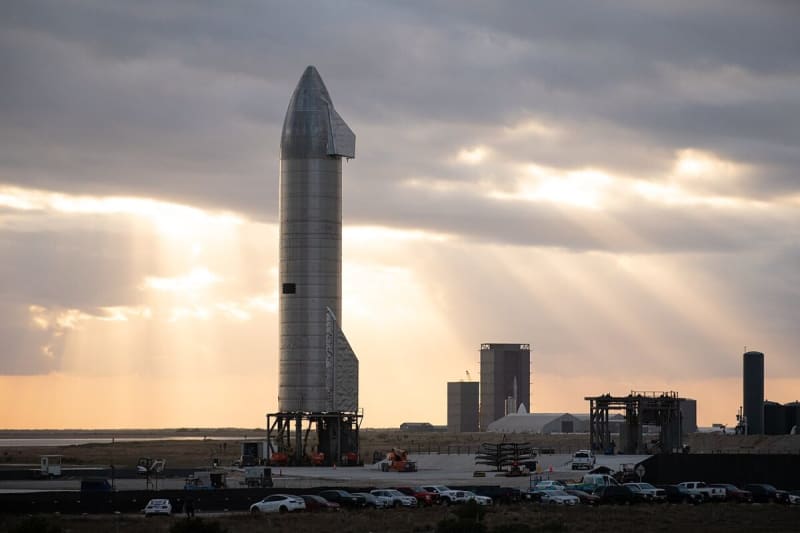
The missing piece was always the price tag for getting equipment into orbit. That's where SpaceX enters the picture. Musk says his company is close to proving full reusability for Starship, the largest rocket ever built, which could cut space access costs by 100 times.
If successful, launching cargo into space would cost less than $100 per pound, cheaper than air freight. That breakthrough would make space-based infrastructure economically competitive with ground operations for the first time in history.
The roadmap starts simple with solar-powered AI satellites launching within a few years. From there, the vision expands to the Moon and Mars, where AI-powered robots could build and maintain these cosmic data centers. The available space is essentially unlimited, with room to scale to hundreds of terawatts annually without consuming a single acre of Earth.
The Ripple Effect
This technology could reshape how we think about both energy and computing. Moving power-hungry AI operations off planet would free up Earth's renewable energy for homes, schools, and hospitals while reducing strain on electrical grids already struggling to meet demand.
The approach also sidesteps one of renewable energy's thorniest problems: storage. Ground-based solar requires massive batteries to work at night, but space solar runs continuously. No batteries needed, no mining for lithium, no disposal challenges decades later.
For countries racing to build AI infrastructure, space offers a level playing field. Nations without vast land or abundant sunshine could compete equally in orbit, democratizing access to the computing power driving tomorrow's breakthroughs in medicine, climate science, and education.
The stars might soon become humanity's power plant and thinking space rolled into one.
More Images
Based on reporting by PV Magazine
This story was written by BrightWire based on verified news reports.
Spread the positivity!
Share this good news with someone who needs it