Space Station Captures Glacier Revealing Dinosaur Fossils
Astronauts watching Chile's Tyndall Glacier retreat from space witnessed something unexpected: the melting ice is exposing ancient marine reptile fossils hidden for millions of years. While glaciers worldwide face climate challenges, this discovery is opening a window into Earth's prehistoric past.
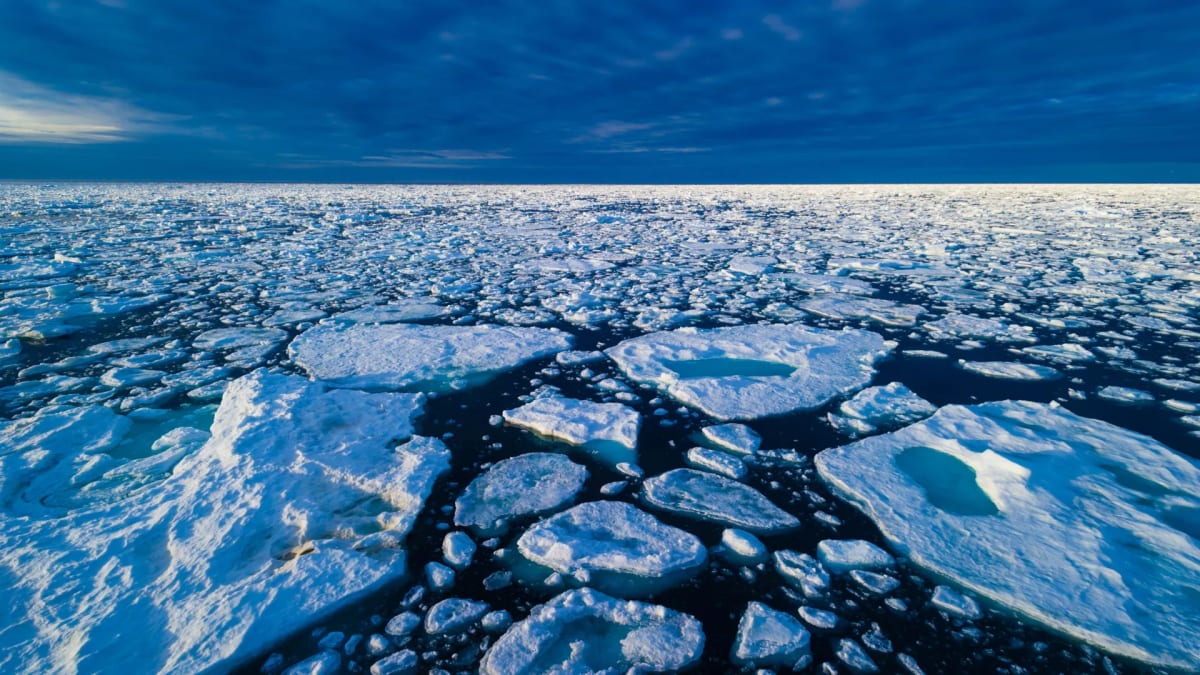
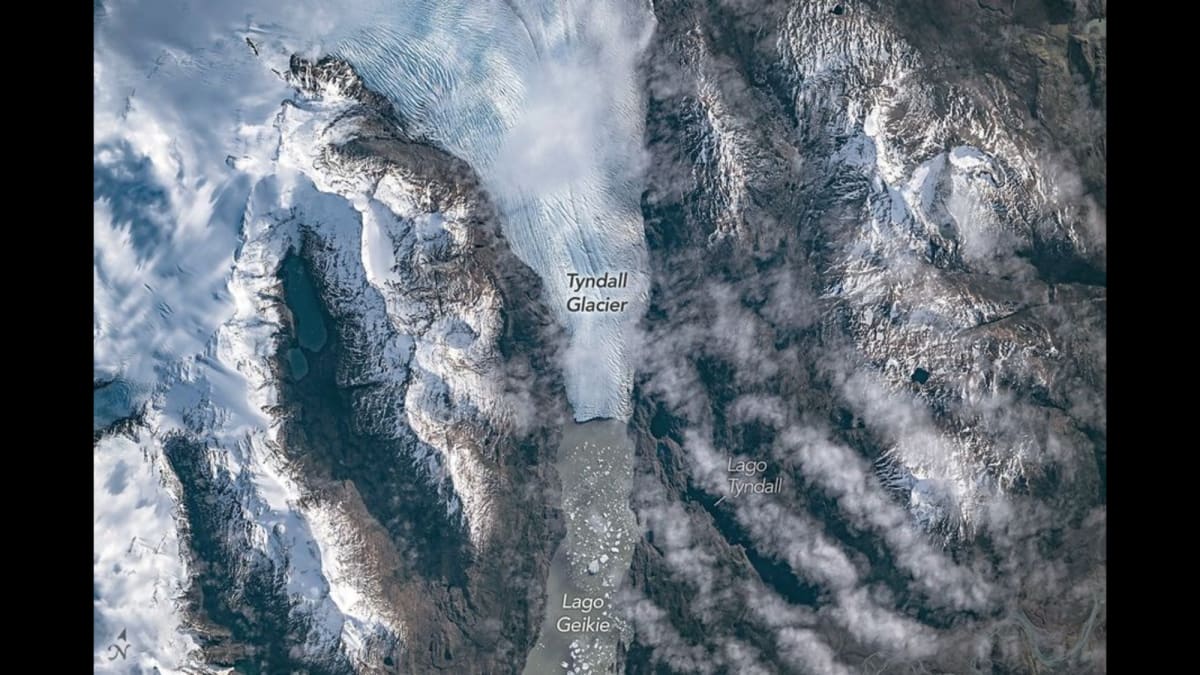
Astronauts aboard the International Space Station captured stunning photos of ice chunks breaking off Chile's Tyndall Glacier and floating into Lake Geikie below. But the real surprise isn't what they saw falling away—it's what the retreating ice left behind.
The Tyndall Glacier sits in Chile's Southern Patagonian Icefield, the world's second-largest continuous ice field spanning over 5,000 square miles. It's a remnant of the massive Patagonian Ice Sheet that blanketed southern Chile over 20,000 years ago during the last ice age.
As pieces of the glacier have splintered off over the past 150 years, Lake Geikie has steadily grown larger. In just the last four years, Tyndall has shrunk by 1.4 miles in length, according to glaciologist Mauri Pelto of Nicholas College.
The glacier's retreat has exposed bedrock that hasn't seen sunlight in millennia. And hidden in those ancient rocks, scientists discovered something remarkable: ichthyosaur fossils.
Ichthyosaurs were dolphin-like marine reptiles that swam Earth's oceans millions of years ago. These fossils are now giving researchers unprecedented access to study prehistoric life in a region where such discoveries were previously impossible.
The Bright Side
While glacier loss presents serious challenges for coastal communities and sea levels worldwide, this unexpected scientific opportunity reminds us that change can reveal hidden treasures. The exposed bedrock is essentially a time capsule, offering paleontologists a chance to piece together ancient ecosystems and better understand how life evolved in extreme environments.
The view from space makes the process visible in ways we rarely get to witness. Those floating ice chunks tell a story not just of change, but of discovery and the resilience of scientific curiosity.
Scientists are now racing to study the newly exposed areas before erosion and vegetation take over. Each retreating glacier could hold similar secrets—fragments of Earth's history waiting to teach us something new about our planet's remarkable past and inform our future.
More Images

Based on reporting by Space.com
This story was written by BrightWire based on verified news reports.
Spread the positivity!
Share this good news with someone who needs it