Space Telescope Finds Long-Sought Cosmic Ray Fingerprint
A Chinese space telescope just detected a mysterious pattern hidden in cosmic rays from across the galaxy, solving a puzzle physicists have been chasing since 1912. The discovery could finally reveal how the universe's most energetic particles get their incredible power.
Scientists have spent 114 years trying to understand cosmic rays, and a telescope orbiting Earth just handed them the missing piece of the puzzle.
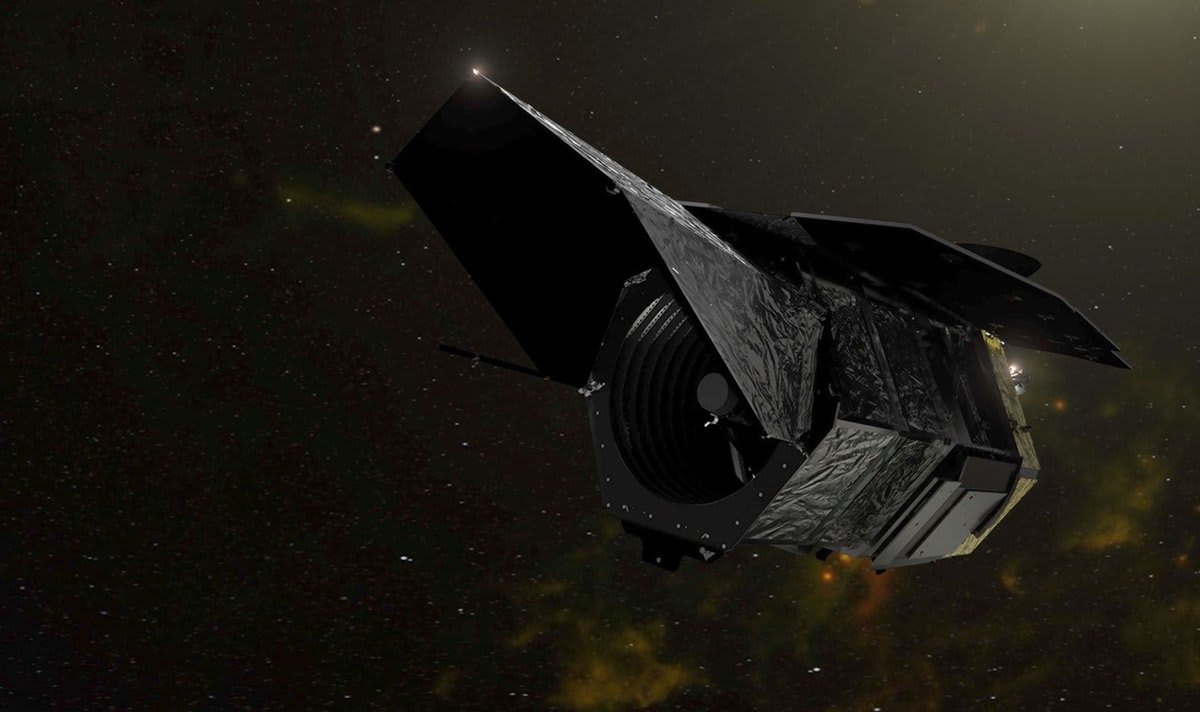
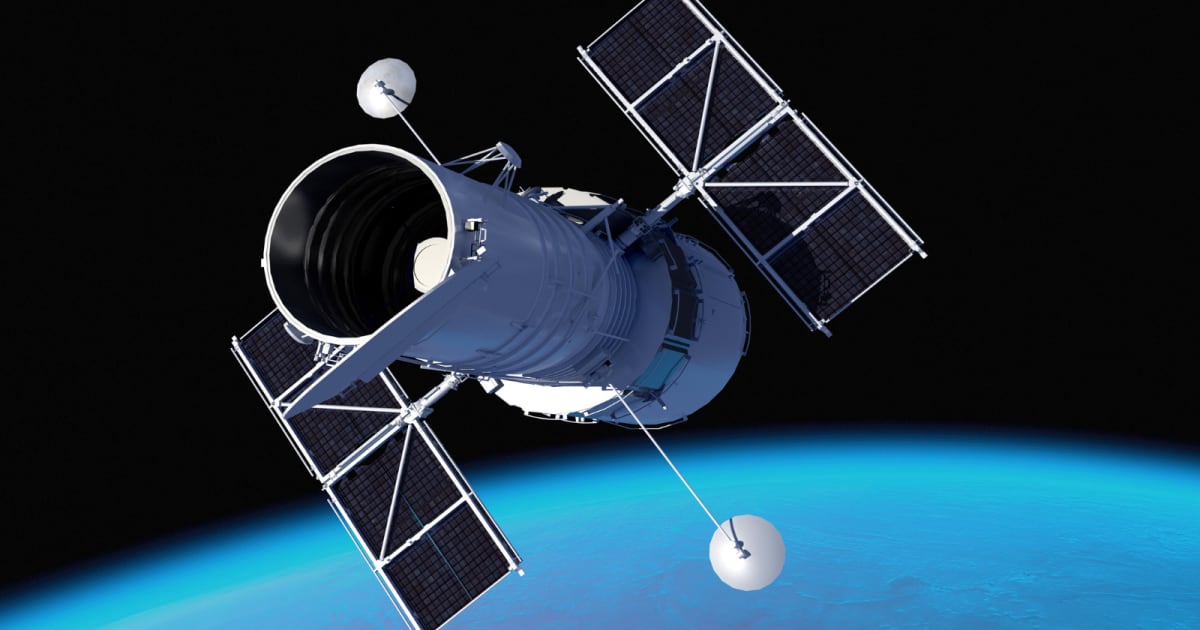
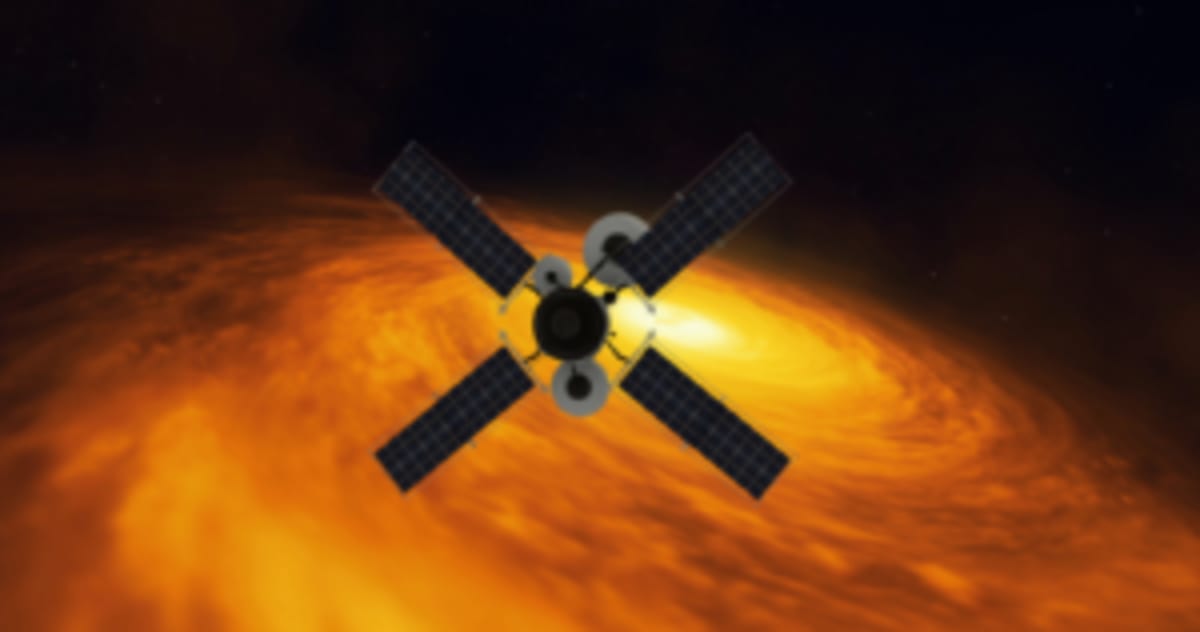
The DAMPE satellite, operated by China's Purple Mountain Observatory, detected a specific pattern in cosmic rays that physicists have been predicting for decades but never actually observed until now. The findings appeared in the journal Nature on April 29, 2026.
Cosmic rays are high-energy particles zooming through space that bombard Earth constantly. Austrian physicist Victor Hess discovered them in 1912 during balloon flights, proving the mysterious radiation came from beyond our planet. Scientists have spent the century since trying to figure out where these incredibly energetic particles come from and how they get so powerful.
The breakthrough centers on something called spectral softening. Think of it like a fingerprint that shows up when you graph how many cosmic rays arrive at different energy levels. DAMPE found this same fingerprint across multiple types of cosmic ray particles simultaneously, including carbon, oxygen, and iron nuclei.
Why does this matter? For decades, scientists have debated two competing theories about how cosmic rays travel through our galaxy. One theory says the particles behave based on their rigidity (momentum per charge). The other says they behave based on their mass (energy per nucleon). The pattern DAMPE detected tells scientists which theory is correct.
DAMPE launched in December 2015 and has been continuously collecting data from low Earth orbit ever since. Its design makes it particularly good at detecting heavy cosmic ray nuclei across a huge energy range, from 20 gigavolts to hundreds of teravolts. That's like comparing the power of a small battery to a massive electrical grid.
Why This Inspires
This discovery shows how patient, persistent science eventually pays off. Victor Hess risked his life in primitive balloons over a century ago to prove cosmic rays existed. Now, an international team of researchers finally has the data to understand what he discovered.
The finding represents decades of different teams building on each other's work. The Alpha Magnetic Spectrometer on the International Space Station, ground-based detectors, and other instruments all contributed pieces to this cosmic puzzle. DAMPE's precision measurements completed the picture.
Understanding cosmic rays helps us grasp fundamental questions about our universe: how stars die, how galaxies evolve, and what drives the most powerful processes in nature. Every answer opens new questions, and this discovery gives scientists a roadmap for the next century of exploration.
The cosmos just revealed one of its secrets, proving that human curiosity and collaboration can unlock mysteries that span generations.
More Images


Based on reporting by Google News - Science
This story was written by BrightWire based on verified news reports.
Spread the positivity!
Share this good news with someone who needs it