Space-Tested Cancer Drug Now in Trials at UC San Diego
A groundbreaking cancer drug tested on the International Space Station is now being given to patients at UC San Diego, offering hope for people with blood cancers that have no good treatment options. The drug could eventually help treat more than 20 different types of cancer.
Patients with deadly blood cancers just got a new reason for hope.
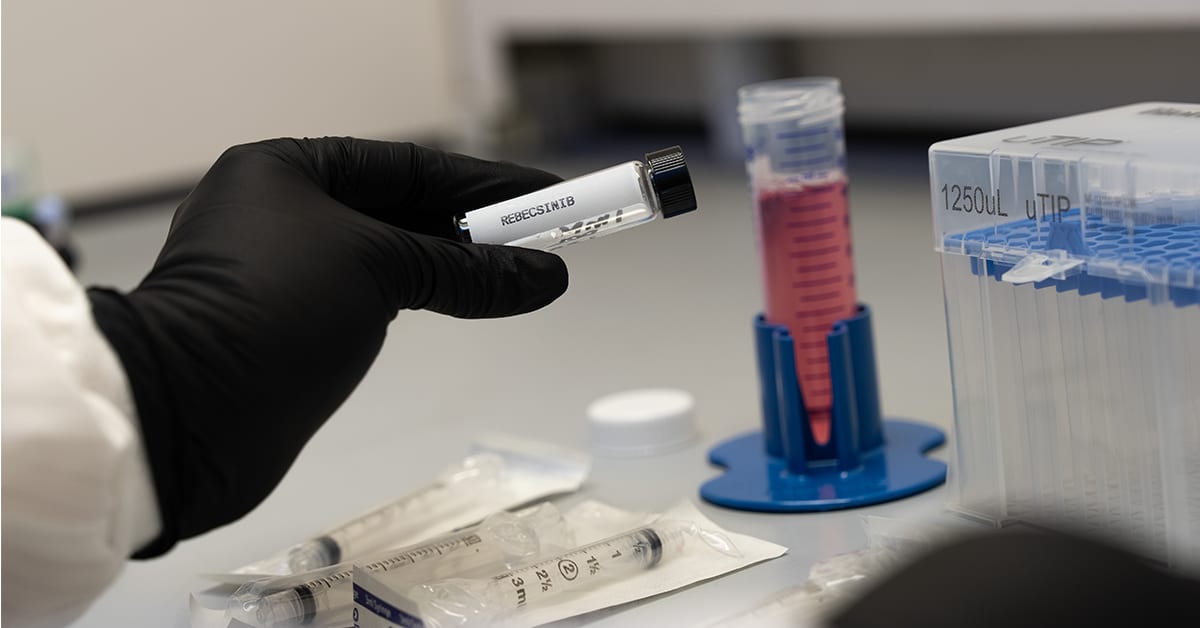
UC San Diego doctors are now treating people with an experimental drug called rebecsinib, which blocks a gene involved in more than 20 types of cancer. The first patient received treatment on July 6, marking a major milestone for people whose cancers have stopped responding to other treatments.
Dr. Catriona Jamieson discovered the drug and did something remarkable: she tested it in space. She sent multiple research experiments to the International Space Station to see how rebecsinib worked against aggressive cancers like ovarian, breast, brain, and blood cancers.
Why test drugs in space? The unique conditions up there act like a time machine for researchers. One month in space can show what might take years to observe on Earth, giving scientists a faster preview of how cancer might progress and how treatments might work long term.
The current trial focuses on two rare blood cancers: secondary acute myeloid leukemia and higher-risk myelofibrosis. Both are especially challenging because they either don't respond to initial treatment or come back after treatment. When that happens, patients face limited options.
"This trial has great science behind it," said Dr. James Mangan, who leads the trial. "It uses a totally novel mechanism and really is for patients who have a desperate, unmet need."
Rebecsinib works differently than existing cancer drugs. It targets ADAR1, a gene that helps cancer cells grow and spread. By blocking this gene, the drug shows promise not just in stopping cancer progression, but potentially shrinking tumors and preventing them from spreading to other parts of the body.
The FDA approved rebecsinib for clinical trials in March 2024, making it the first and only ADAR1 inhibitor with this designation. It's one of the very first drugs ever studied in the cosmos.
Why This Inspires
Jamieson's space research earned her the prestigious ISS National Laboratory Compelling Results Award in Biology and Medicine in 2024. Her work shows how thinking beyond Earth's boundaries can lead to breakthrough treatments here at home.
Donor Rebecca Moores, whose funding helped develop the drug, captured the moment perfectly: "Seeing Dr. Jamieson's cancer stem cell research launch on SpaceX mere weeks before the first patient received rebecsinib was nothing short of extraordinary."
The trial is open to adults 18 and older with qualifying blood cancers. If rebecsinib succeeds in these patients, it could pave the way for treating many other cancer types that involve the ADAR1 gene, including aggressive brain tumors like glioblastoma.
From a lab bench on the International Space Station to the bedside of patients who need it most, this drug represents hope traveling at the speed of innovation.
More Images


Based on reporting by Google News - New Treatment
This story was written by BrightWire based on verified news reports.
Spread the positivity!
Share this good news with someone who needs it