Spacecraft Spots Interstellar Comet Spraying Water Daily
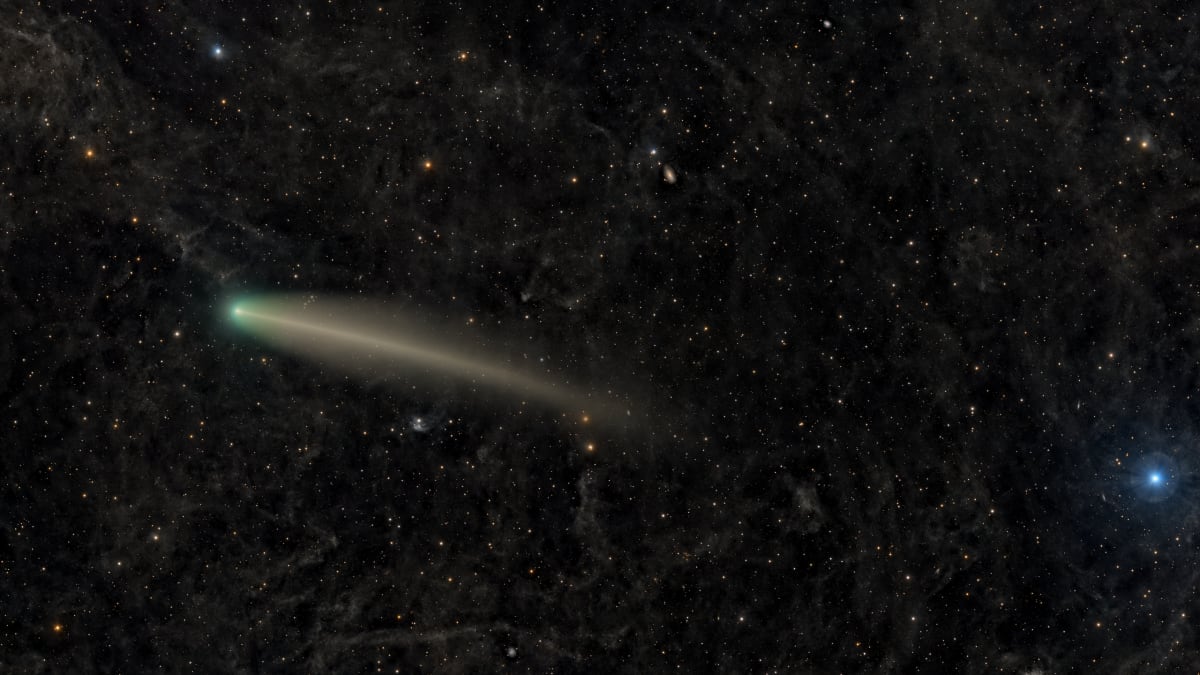
A comet from another star system is releasing enough water to fill 70 Olympic pools every day as it passes through our solar system. The rare visitor gives scientists their first chance to study materials from planetary systems far beyond our own.
Scientists just caught an incredible glimpse of our cosmic neighbor's secrets, and the findings are making waves across the astronomy world.
The interstellar comet 3I/ATLAS is shooting two tons of water vapor into space every second as it travels through our solar system. That's enough water to fill 70 Olympic swimming pools daily, making it one of the most active comets ever observed.
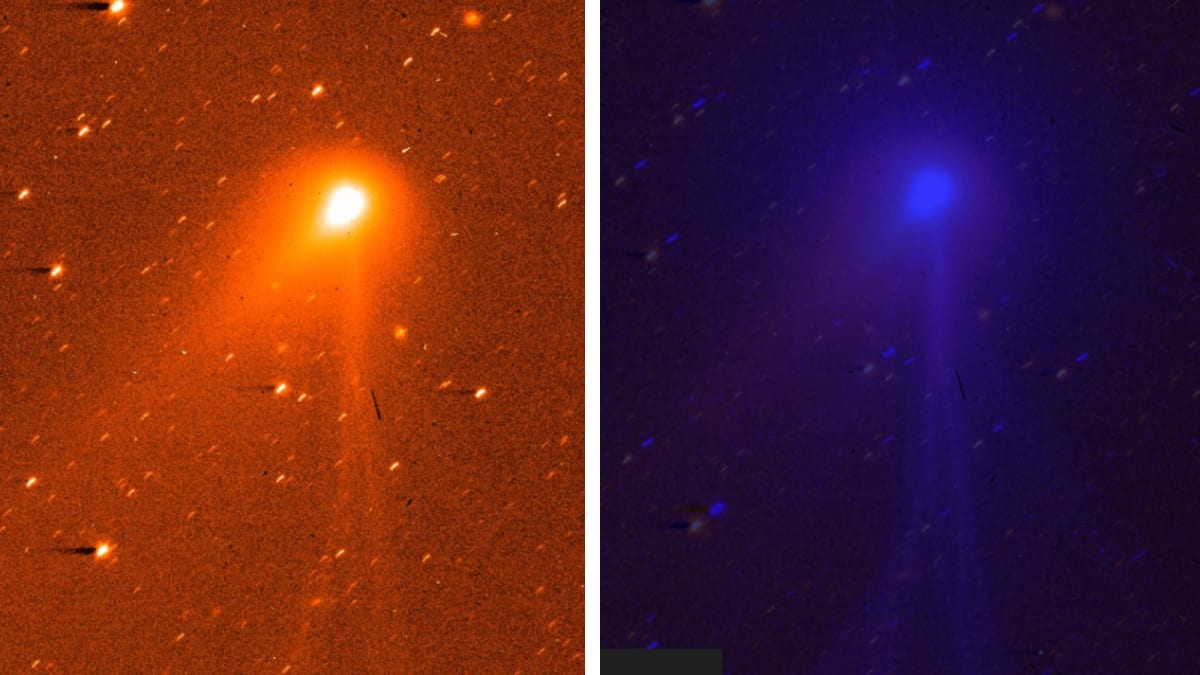
The European Space Agency's JUICE spacecraft, currently on its way to Jupiter, spotted the rare visitor in November 2025 using specialized imaging instruments. Only the third object ever detected entering our solar system from interstellar space, 3I/ATLAS offered researchers a once-in-a-lifetime opportunity.
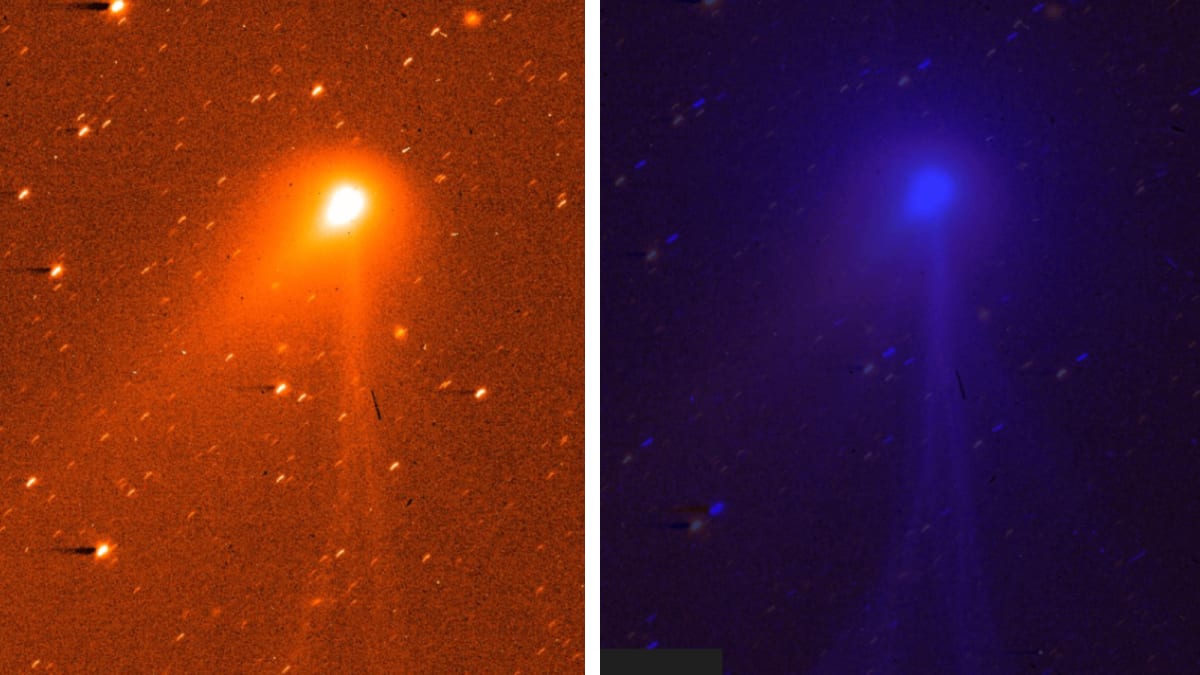
When the comet passed close to the sun, solar radiation heated its icy core and triggered a spectacular transformation. The ice converted directly into gas in a process called sublimation, creating the glowing tail and halo that make comets so distinctive. But this comet brightened far more than scientists expected.
The spacecraft's instruments detected infrared emissions from water vapor and carbon dioxide escaping from beneath the comet's frozen surface. These volatile materials likely formed billions of years ago around a star much older than our sun.
What makes these observations even more remarkable is that they were completely unplanned. The JUICE team only learned about 3I/ATLAS after its discovery on July 1, 2025, and had to act fast to capture it. The comet appeared faint and gave the spacecraft only brief windows to collect data.
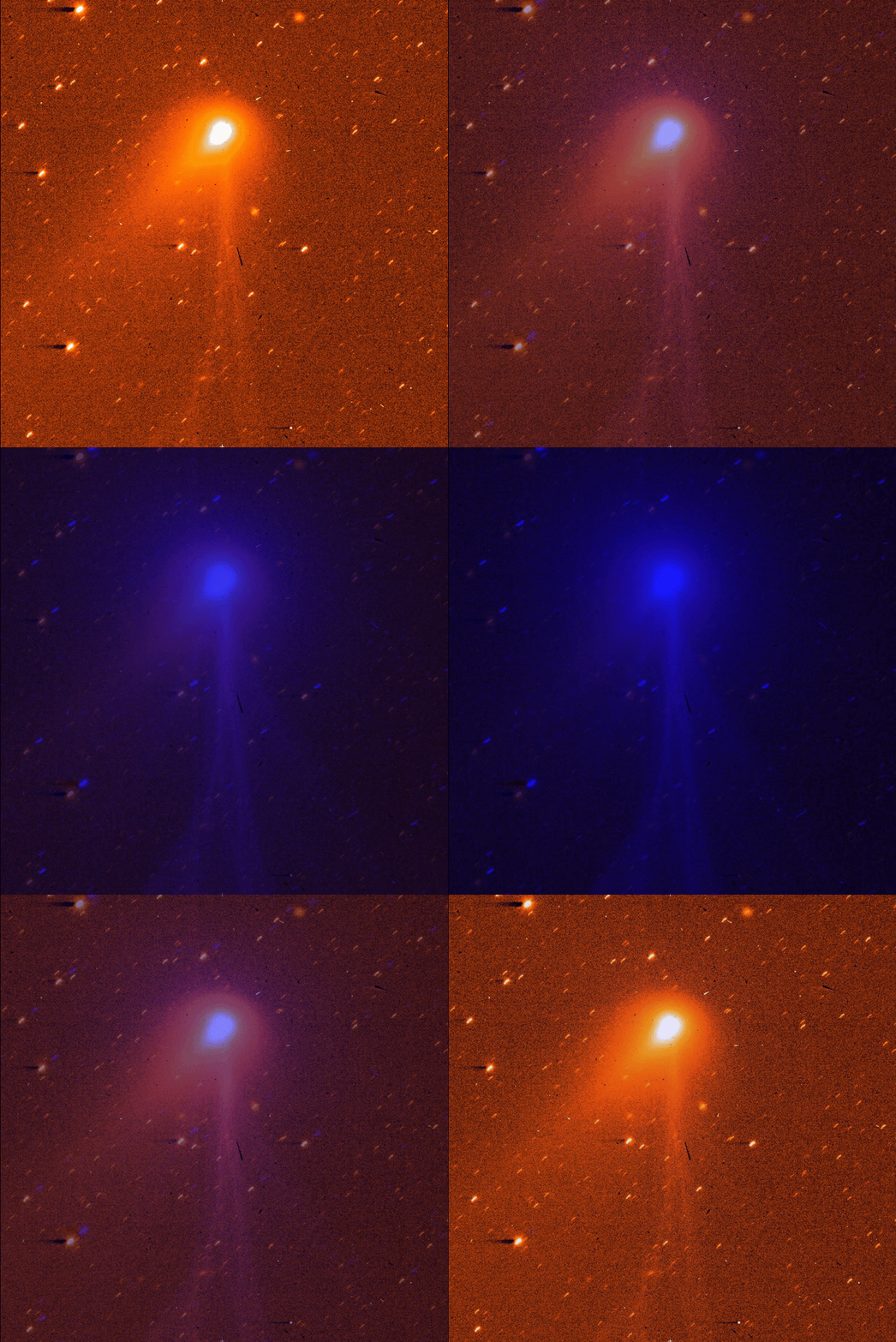
The team waited months for the information to reach Earth, finally receiving it in February 2026. When the data arrived, researchers discovered detailed images showing the comet's extended halo, tail, jets, and streaming filaments of material.
Why This Inspires
This discovery opens a window into planetary formation around distant stars. Scientists can now analyze building blocks from solar systems potentially billions of years older than ours, offering clues about how planets and life's essential ingredients form across the universe.
The successful observations also showcase what's possible when spacecraft designed for one mission adapt to capture unexpected cosmic events. JUICE proved its instruments work beautifully, setting the stage for future discoveries when it reaches Jupiter's icy moons.
Every second, this ancient visitor shares its secrets with us, connecting our solar system to the broader universe in the most tangible way possible.
More Images


Based on reporting by Space.com
This story was written by BrightWire based on verified news reports.
Spread the positivity!
Share this good news with someone who needs it