SpaceX Launches GPS Satellite in Under 6 Months for Space Force
The Space Force just proved it can launch critical satellites five times faster than usual. SpaceX delivered a new GPS satellite in just six months instead of the typical two years.
The U.S. Space Force just pulled off something remarkable: getting a critical GPS satellite from Florida arrival to orbit in under six months instead of the usual two years.
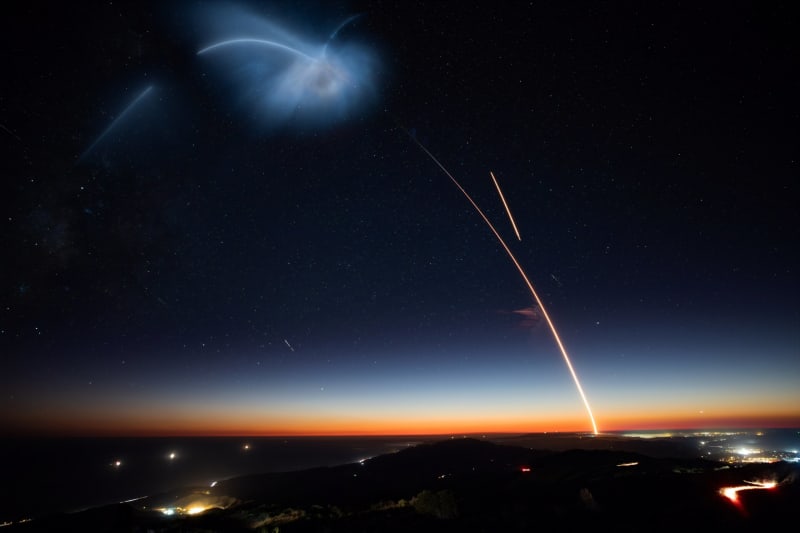
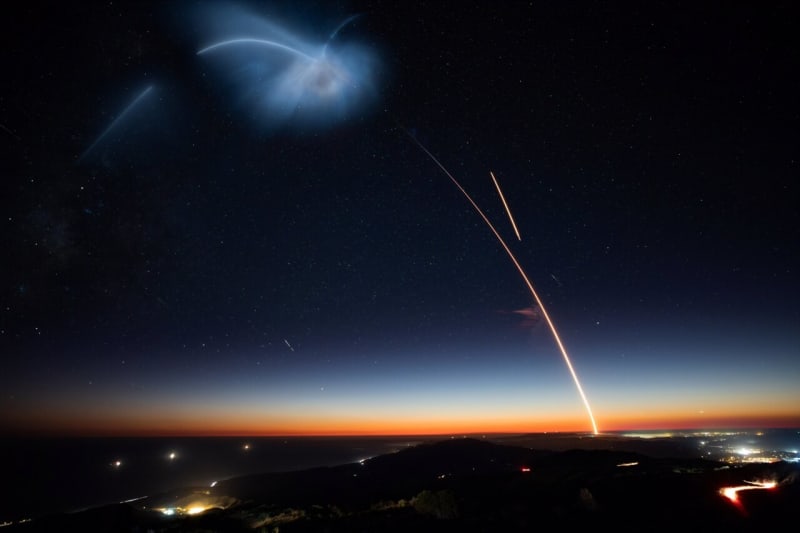
SpaceX launched the GPS III-9 satellite Tuesday night from Cape Canaveral, marking a major win for the military's new "rapid response" approach to space missions. The satellite, named after astronaut Ellison Onizuka who died in the 1986 Challenger disaster, will enhance America's GPS capabilities from medium-Earth orbit.
The mission represents a dramatic shift in how quickly the military can respond to changing needs in space. Under the new accelerated timeline, payloads reach orbit in under three months from the launch decision, compared to 24 months previously.
This launch also highlights how flexibility is winning in the modern space race. The satellite was originally assigned to United Launch Alliance's new Vulcan rocket back in 2023, but when Vulcan faced certification delays, the Space Force swapped it to SpaceX's proven Falcon 9. In exchange, ULA will launch a different GPS mission later.
The quick turnaround wasn't just about speed for its own sake. "This mission foot stomps our ability to rapidly deploy a high-value space asset that brings significant, immediate value to the Joint Force," said U.S. Space Force Col. Stephen Hobbs.
The Ripple Effect
This faster approach to space launches could reshape how America protects critical infrastructure. GPS satellites power everything from navigation apps to financial transactions, and being able to replace or upgrade them quickly means better security for everyone.
The mission was SpaceX's sixth launch from the Space Coast in 2026 alone, all from the same pad. The Falcon 9's first-stage booster successfully landed on a droneship in the Atlantic for its fifth flight, proving the rocket's reusability keeps costs down while speed goes up.
The satellite joins nine others built by Lockheed Martin as part of the modernized GPS constellation. Each new satellite adds more secure "M-Code" capability that gives military users better protection against jamming and interference.
The collaboration between agencies, contractors, and launch providers shows what's possible when teams prioritize mission success over rigid timelines.
America's space capabilities just got faster and more flexible, and that's good news for national security and everyday GPS users alike.
More Images

Based on reporting by Phys.org
This story was written by BrightWire based on verified news reports.
Spread the positivity!
Share this good news with someone who needs it