SpaceX Starship 13 Launches Successfully After Engine Fixes
SpaceX's massive Starship rocket completed its most successful test yet, deploying 20 satellites and achieving the first-ever safe water landing of the entire vehicle. After last week's engine failure forced a delay, engineers fixed the problem and launched a mission that brings reusable Mars rockets closer to reality.
For the first time ever, SpaceX safely landed an entire Starship vehicle in water, marking a giant leap toward making space travel as routine as air travel.
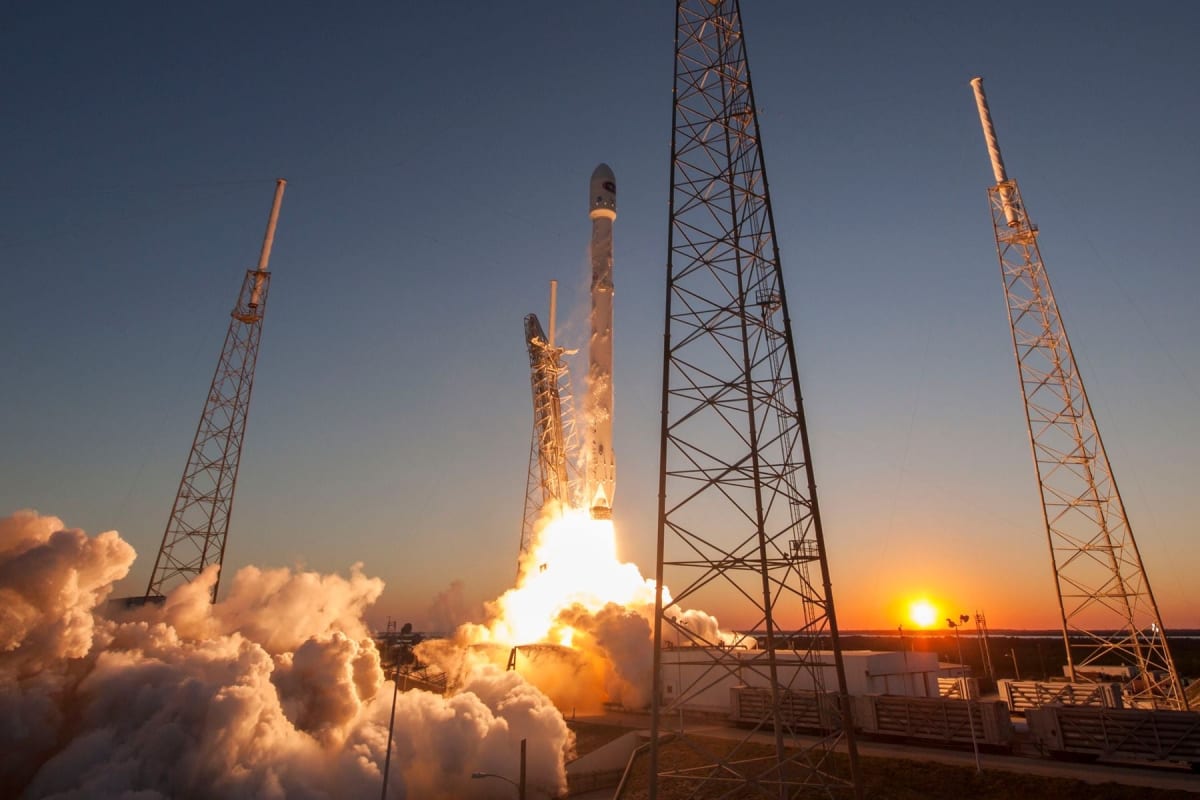
The world's most powerful rocket lifted off from Starbase, Texas on Friday after engineers spent a week replacing four engines that failed to fire during the previous launch attempt. This time, all 33 engines roared to life perfectly, generating 18 million pounds of thrust.
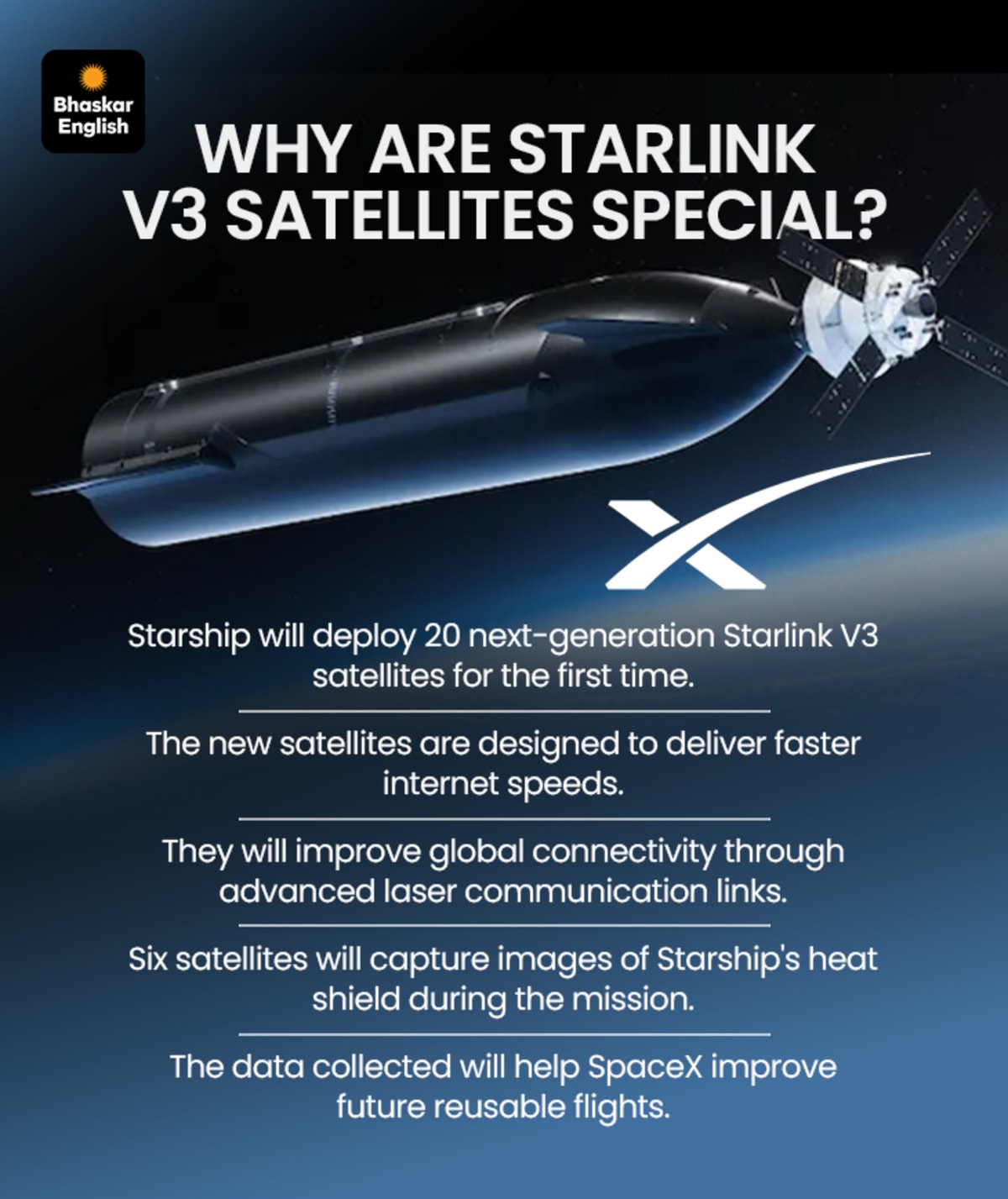
The hour-long test flight checked nearly every box on SpaceX's ambitious list. Starship separated from its Super Heavy booster, deployed 20 next-generation Starlink satellites, and then executed a controlled descent that ended with the spacecraft floating upright in the Indian Ocean.
"This is the first time we've safely landed an entire Starship in water," SpaceX spokesman Dan Huot announced during the live stream. The spacecraft straightened from its belly-flop position, touched down vertically on the ocean surface, then gently tilted and floated like a massive steel boat.
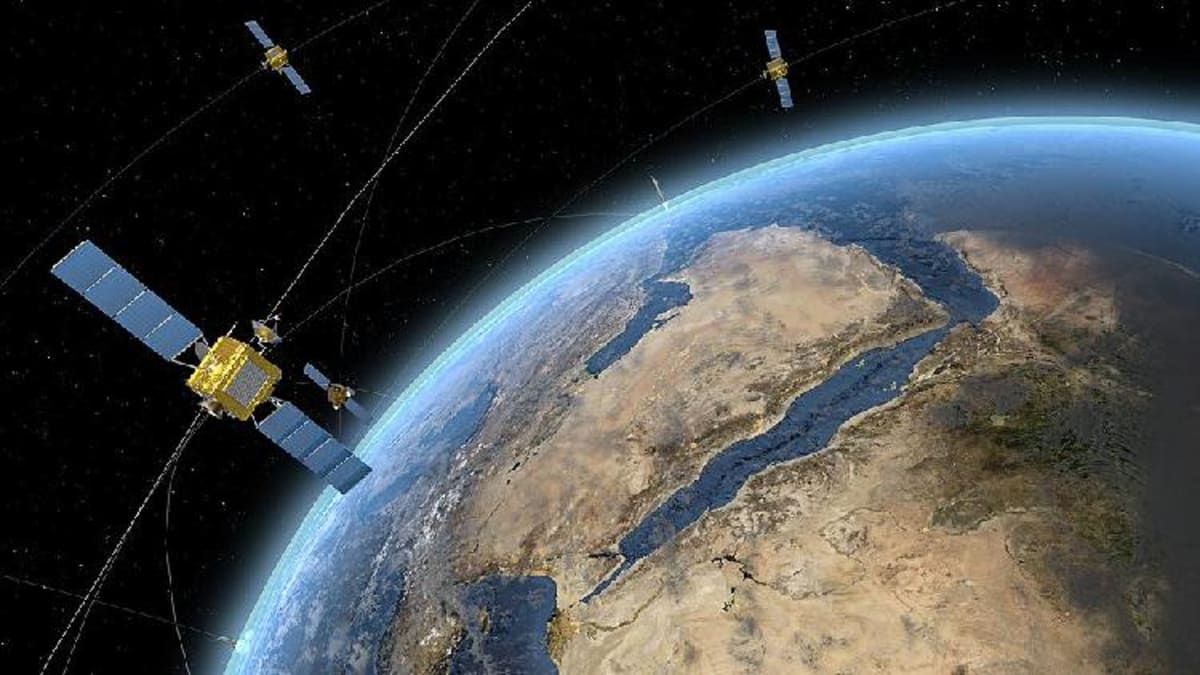
The satellite deployment marked another first for the program. SpaceX confirmed it established contact with all 20 Starlink V3 test satellites after they ejected from a slim slot in Starship's side. Six satellites carried special cameras that photographed the spacecraft's heat shield tiles, sending back valuable data before burning up in Earth's atmosphere 20 minutes later.
The mission showed dramatic improvement over May's flight, which suffered multiple engine problems. This time, the Super Heavy booster fired all 13 engines during its boostback burn and made a controlled landing in the Gulf of Mexico, despite coming in slightly faster than planned.
The Ripple Effect
Each successful Starship test brings NASA's Artemis moon program closer to reality. The space agency selected Starship as the lunar lander that will carry astronauts to the moon's surface for the first time in over 50 years.
The improved reliability also accelerates SpaceX's plan to launch bigger, faster Starlink satellites that will bring high-speed internet to remote areas worldwide. The V3 satellites tested on this flight are more powerful than earlier versions and can connect to each other using laser links.
Beyond moon missions and internet satellites, a fully reusable Starship could slash the cost of reaching space by up to 100 times. That cost reduction opens doors to scientific research stations in orbit, space-based solar power, and eventually human settlements on Mars.
Every flight teaches SpaceX's engineers something new, and they're learning fast. The quick turnaround from engine failure to successful launch shows the team's growing confidence in fixing problems and trying again.
The future of space exploration just got a little closer to liftoff.
More Images



Based on reporting by Google: SpaceX launch success
This story was written by BrightWire based on verified news reports.
Spread the positivity!
Share this good news with someone who needs it