SpaceX's Falcon Heavy Returns After 18-Month Break
SpaceX's powerful Falcon Heavy rocket is set to launch for the first time since October 2024, carrying a massive satellite that will bring high-speed internet to billions across Asia and the Pacific.
After sleeping for a year and a half, the world's second most powerful rocket is waking up to connect half the planet.
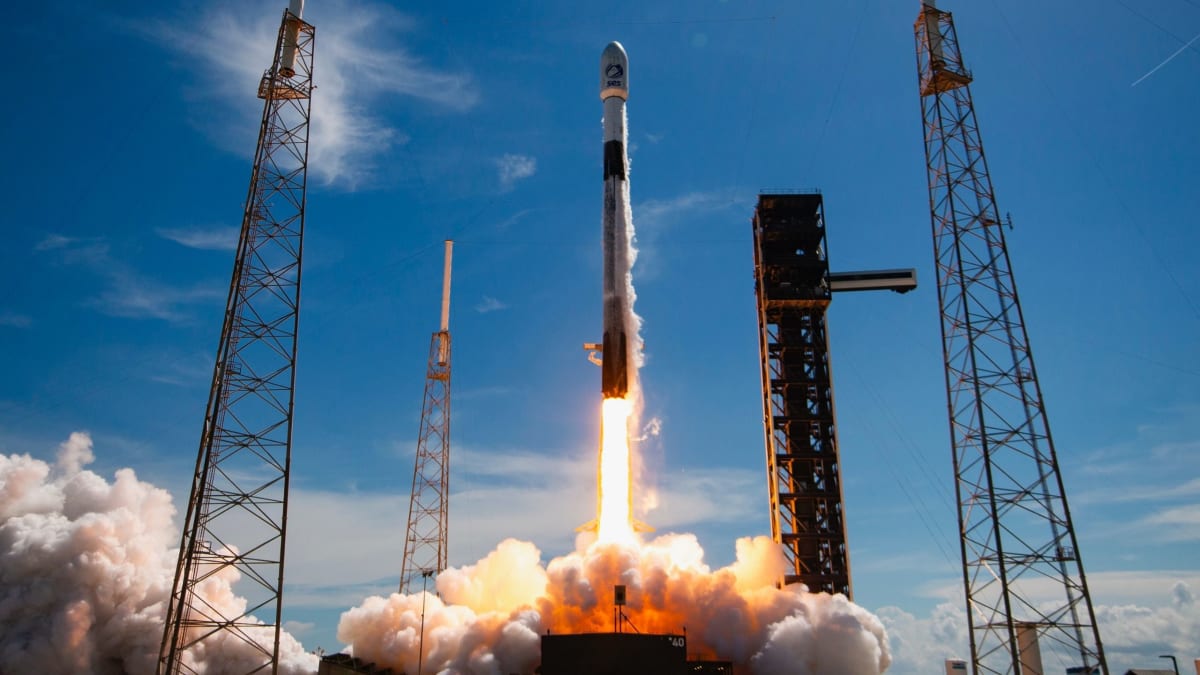
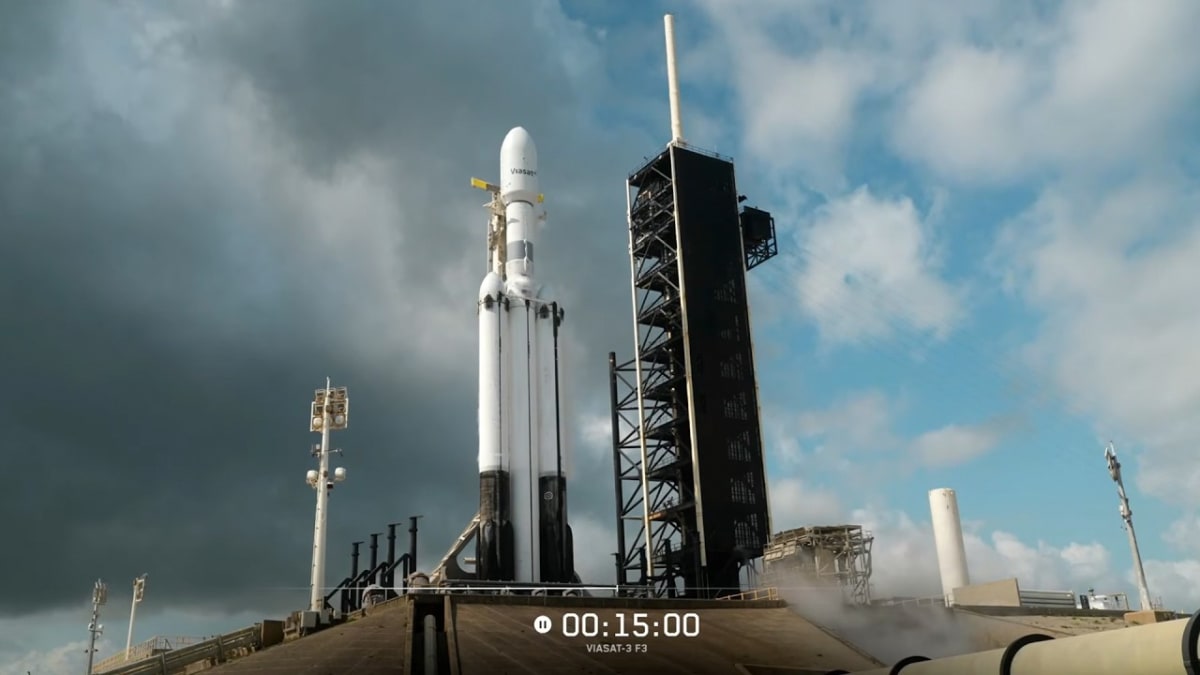
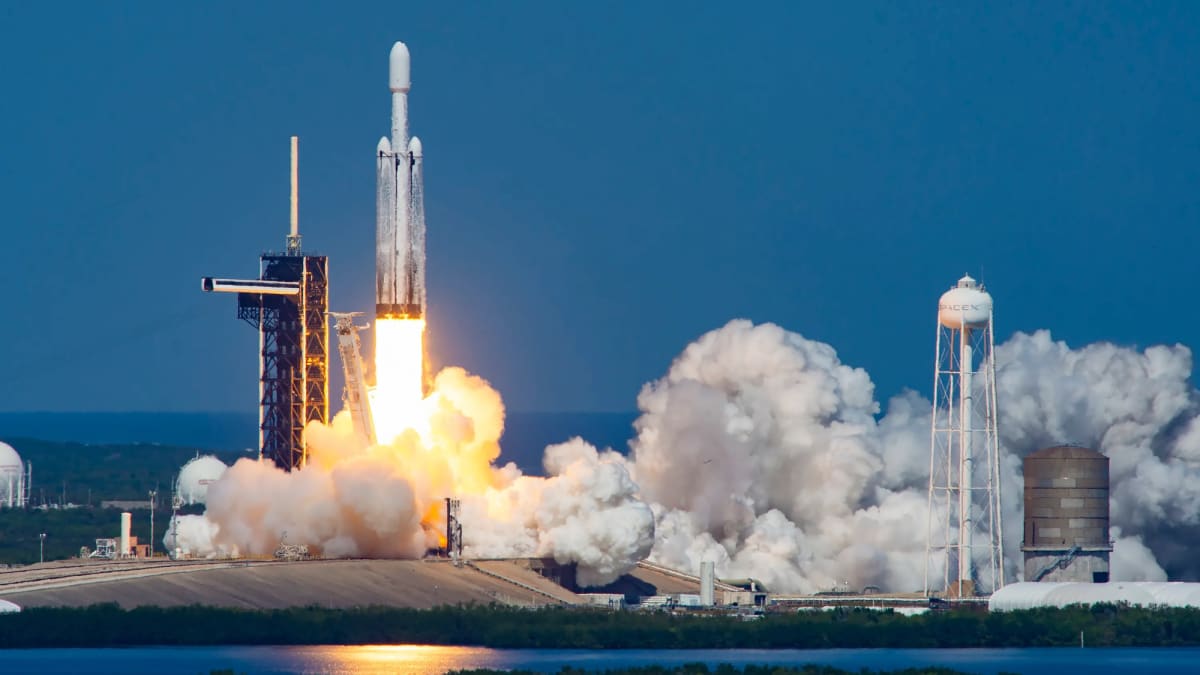
SpaceX's Falcon Heavy rocket is preparing to launch from Kennedy Space Center in Florida, carrying the ViaSat-3 F3 communications satellite on a mission to bring reliable broadband to the entire Asia-Pacific region. The launch window opens at 10:17 a.m. EDT on April 28, weather permitting.
The Falcon Heavy generates an incredible 5.1 million pounds of thrust using three modified Falcon 9 rocket boosters strapped together. That makes it second only to NASA's moon rocket in raw power among operational launchers.
This will be the rocket's 12th flight since its memorable 2018 debut, when it launched Elon Musk's cherry-red Tesla Roadster into space. Every single mission has been successful.
The 6.6-ton satellite heading skyward isn't going to Mars or Jupiter. It's bound for geostationary orbit, 22,236 miles above Earth, where it will hover over the same patch of the planet continuously to beam down internet service.
ViaSat-3 F3 will complete a trio of satellites designed to provide fast, secure broadband across the globe. The first satellite now serves airline passengers, while the second will cover the Americas when it goes live next month.
The Ripple Effect
The Asia-Pacific region is home to over 4 billion people, many in remote areas where reliable internet access remains scarce. This satellite will help bridge that digital divide, connecting students to online education, businesses to global markets, and families to telemedicine services.
The launch also showcases how reusable rocket technology is making space access more routine. Two of the Falcon Heavy's three boosters will land back at Cape Canaveral about eight minutes after liftoff, ready to fly again.
Dave Abrahamian, ViaSat's vice president of space systems, called the launch "a pivotal moment" in bringing flexible, high-capacity broadband to commercial, defense, and consumer customers worldwide.
When those three boosters ignite together, they'll be opening digital doors for millions of people who've been waiting on the other side.
More Images

Based on reporting by Google News - Science
This story was written by BrightWire based on verified news reports.
Spread the positivity!
Share this good news with someone who needs it