Spain Could Power 9% of Grid With Ocean-Based Solar Farms
Spanish researchers discovered the country's coastline could host enough floating solar panels to power nearly one-tenth of the nation's electricity needs. The breakthrough study maps exactly where ocean-based solar farms could work alongside offshore wind energy.
Spain's oceans could become massive solar power plants, generating enough clean electricity to meet up to 9% of the country's needs.
Researchers at the University of A Coruña just completed the first comprehensive study of Spain's offshore solar potential. Their findings reveal the Spanish coastline could support between 4.45 and 6.48 gigawatts of floating solar panels, depending on where they're placed.
The team examined Spain's Maritime Spatial Planning Plans to identify suitable locations. They carefully avoided protected marine areas, shipping lanes, fishing zones, and military regions to find the sweet spots for solar development.
Floating solar panels offer surprising advantages over land-based farms. The cooling effect of seawater boosts electricity generation by up to 10% compared to panels baking on land. The ocean also provides nearly unlimited space without competing for valuable farmland or natural habitats.
Water depth emerged as the game changer in the study. Shallow waters near the Strait of Gibraltar, Alboran Sea, and Canary Islands showed the highest potential, with over 90% of capacity concentrated in these regions. The Mediterranean alone could host around 2.54 gigawatts of floating solar platforms.
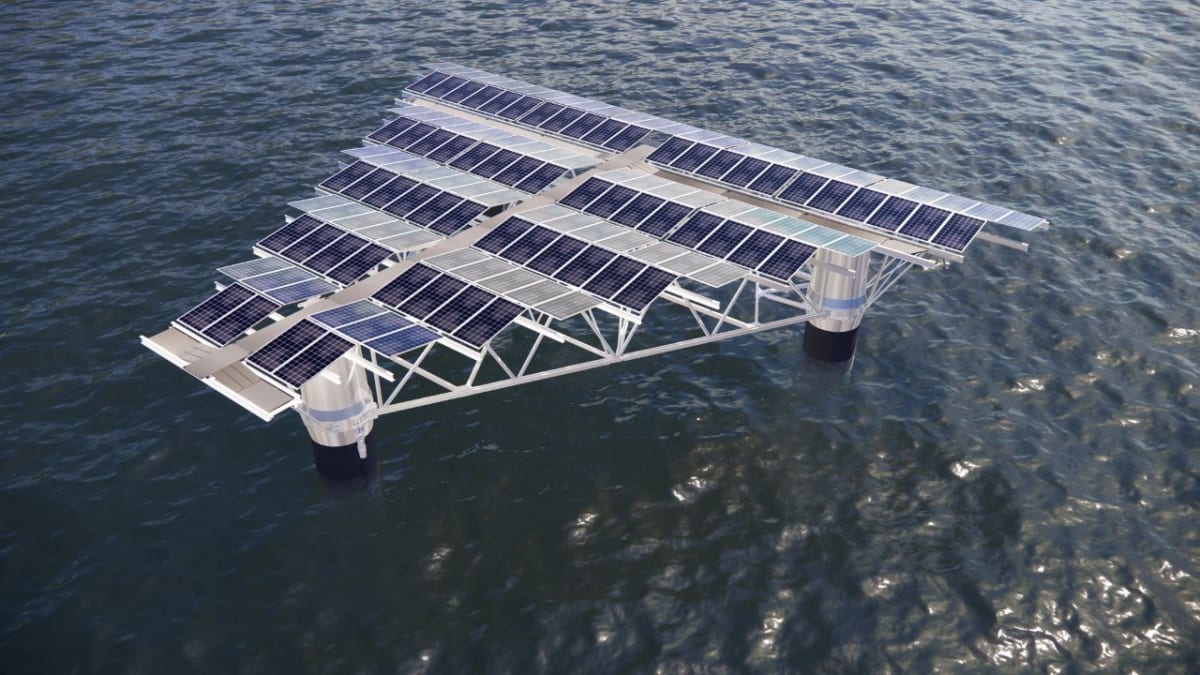
The researchers used Dutch company SolarDuck's floating platform as their model, which generates 0.52 megawatts per unit. These platforms have already demonstrated payback periods ranging from just 2.8 to seven years in real-world conditions.
The Ripple Effect
This research opens doors far beyond Spain's borders. The methodology developed by the team can help other coastal nations evaluate their own offshore solar potential without starting from scratch.
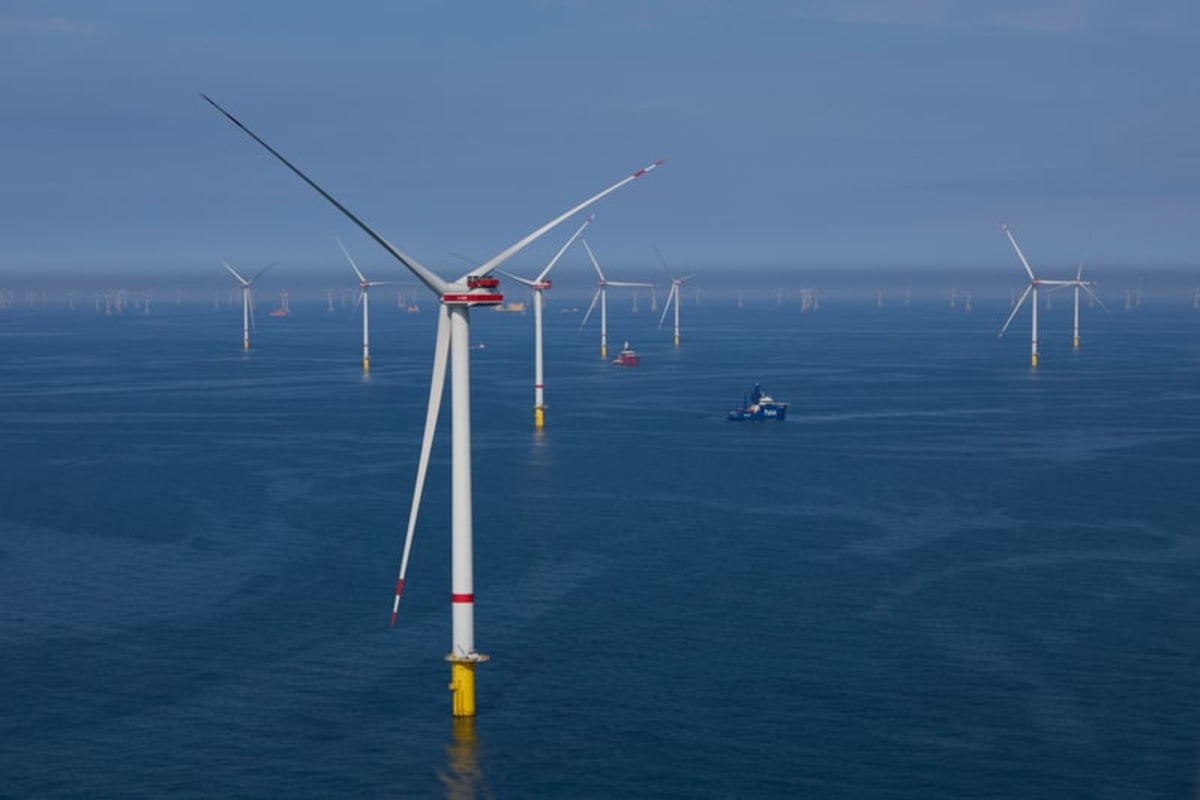
The study makes a crucial point about collaboration rather than competition. Offshore solar shouldn't replace offshore wind farms but work alongside them. Hybrid projects combining both technologies could actually improve grid stability by providing power during different weather conditions.
Spain's government currently has no designated zones for offshore solar in its maritime plans, even though offshore wind and wave energy have official areas. The researchers strongly recommend including offshore solar in future planning updates to remove regulatory uncertainty.
The technology remains in early development stages, but the cooling waters and vast ocean spaces make it increasingly attractive. Countries with strong sunshine like Spain are perfectly positioned to lead this emerging clean energy frontier.
Spain's path toward ocean-based solar could light the way for coastal nations worldwide searching for renewable energy solutions.
More Images


Based on reporting by PV Magazine
This story was written by BrightWire based on verified news reports.
Spread the positivity!
Share this good news with someone who needs it