Spain Moves 500 Vulnerable Girls to Safety from Ceuta
Spain is transferring 500 unaccompanied girls from the streets of Ceuta to protective care on the mainland, giving them safe homes and a fresh start. Nearly 100 girls have already moved to better facilities while authorities work to protect the rest.
Hundreds of young girls living on the streets of Ceuta are getting a second chance at childhood, thanks to a new Spanish government plan to move them to safety.
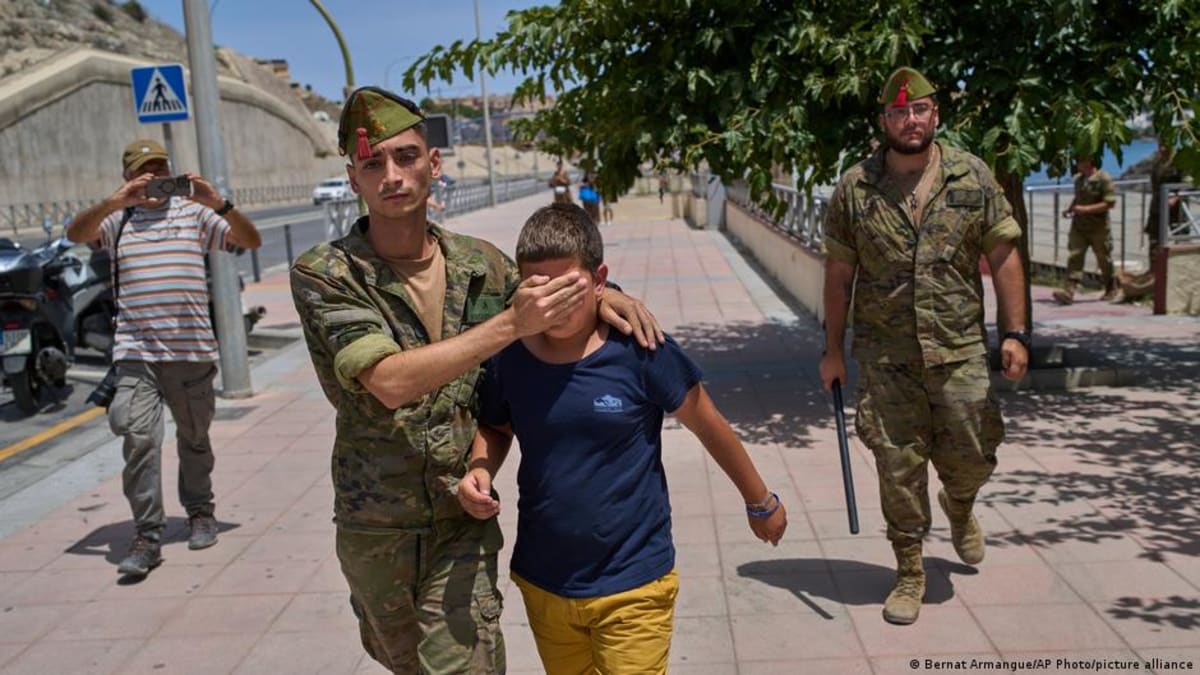
Spain's Ministry of Youth and Children announced this week that roughly 500 vulnerable unaccompanied minors, mainly girls aged 9 to 17, will be transferred from the North African exclave of Ceuta to protective care on mainland Spain. The girls will be placed in foster homes and adapted facilities designed specifically for their needs.
Migration Minister Elma Saiz told public broadcaster RNE that the plan prioritizes "the overriding welfare of the children" above all else. The government is coordinating with regional authorities across Spain to ensure every girl finds a safe, welcoming home.
The effort comes after thousands of migrants crossed from Morocco into Ceuta on July 30, including many unaccompanied children. While most have returned home, around 5,000 people remain, including over 2,000 unaccompanied minors identified by police.
UNICEF Spain's Lara Contreras praised the approach, noting that 97 girls have already been moved to improved facilities and will soon head to the mainland. She called it "urgent" that authorities properly identify and protect children who have been wandering the streets alone.
The Ripple Effect
This coordinated rescue effort shows what's possible when different levels of government work together for vulnerable kids. The new royal decree establishes a "binding and solidarity-based reception" system, meaning regions across Spain will share responsibility for protecting these children.
By keeping legal guardianship in Ceuta until girls are matched with child protection organizations ready to receive them, the plan ensures continuity of care. No child will fall through the cracks during the transition.
The approach also sets a precedent for how Spain can handle future migration challenges while putting children's safety first. Regional cooperation means more resources, more homes, and more hope for kids who desperately need it.
These 500 girls are about to discover what every child deserves: a safe place to sleep, caring adults to guide them, and the chance to just be kids again.
Based on reporting by DW News
This story was written by BrightWire based on verified news reports.
Spread the positivity!
Share this good news with someone who needs it