Spain Powers Grid With 100% Hydrogen Engine for First Time
A Finnish energy company just ran a large-scale hydrogen engine on pure hydrogen and fed electricity directly into Spain's power grid. It's the first time anyone has proven the technology works under real-world conditions at this scale.
For the first time ever, a massive engine running on nothing but hydrogen is successfully powering homes and businesses through Spain's national electrical grid.
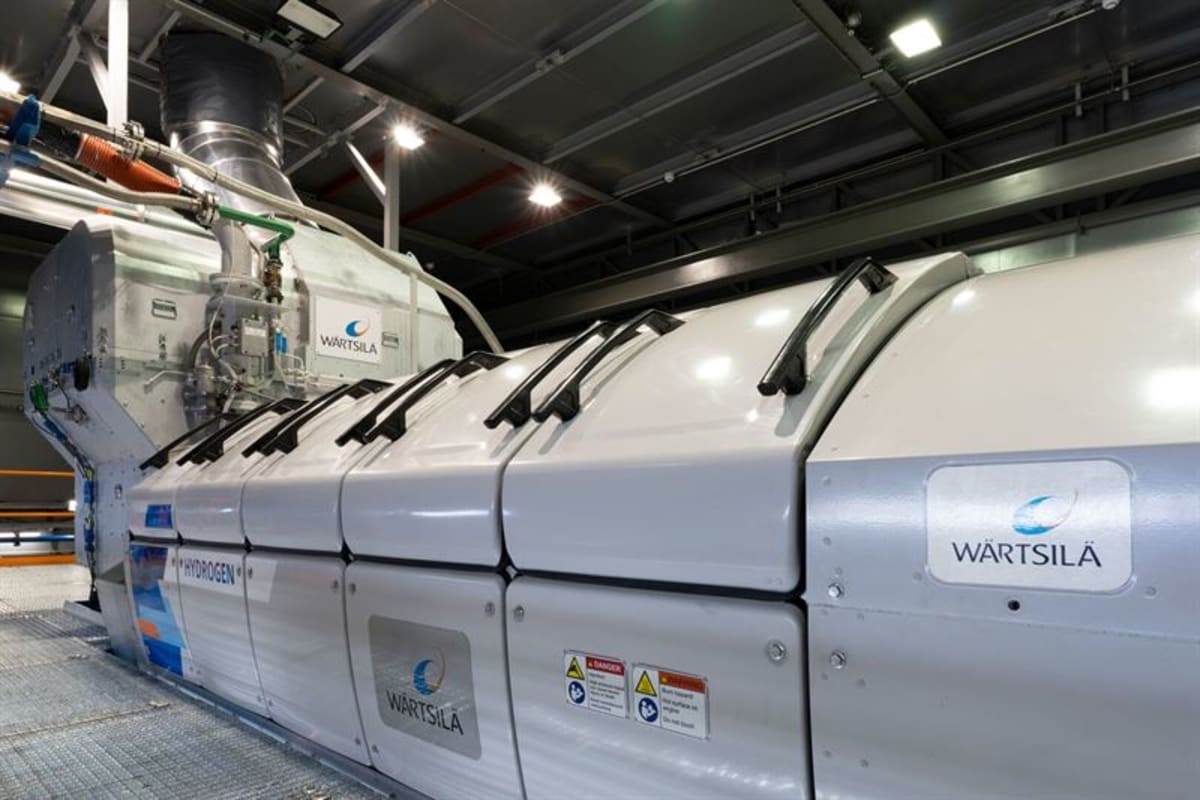
Finnish energy technology company Wärtsilä achieved the breakthrough in Bermeo, a coastal town in northern Spain, where their Wärtsilä 31H2 engine is currently undergoing real-world testing. Unlike hydrogen-ready systems that can switch between fuels, this engine runs exclusively on pure hydrogen.
"This is a trial for the future of renewable power," said Rasmus Teir, Director of Technology Strategy and Decarbonisation at Wärtsilä. The demonstration proves that hydrogen engines can deliver reliable electricity under actual grid conditions, not just in controlled laboratory settings.
The timing couldn't be better for renewable energy. As solar panels and wind turbines generate more of the world's electricity, power grids need flexible backup systems for cloudy days and calm nights. Hydrogen offers a solution because it produces zero carbon emissions when burned and can store energy for long periods.
The technology could eventually power data centers, industrial facilities, and remote locations where connecting to traditional power grids proves difficult or expensive. Spain has been aggressively expanding renewable energy and reducing dependence on imported fossil fuels, making it an ideal testing ground for this innovation.
The Ripple Effect
This successful trial represents more than one company's technical achievement. It demonstrates a viable path forward for balancing renewable energy grids worldwide without relying on fossil fuel backup generators.
Green hydrogen, produced using renewable electricity to split water molecules, can be stored in large quantities and converted back to electricity exactly when needed. This flexibility addresses one of the biggest challenges facing the transition to clean energy: keeping the lights on when the sun isn't shining and the wind isn't blowing.
The engine platform Wärtsilä tested builds on years of development with hydrogen-compatible systems. Moving from "hydrogen-ready" to "100% hydrogen" marks a crucial step toward proving the technology can scale commercially across different industries and applications.
As countries race to meet climate goals while maintaining reliable electricity supplies, solutions like hydrogen engines could bridge the gap between ambitious renewable targets and practical grid management. Spain's grid just became a proving ground for technology that could reshape how the world stores and uses clean energy.
The future of renewable power just got a little more flexible, and a lot more real.
More Images


Based on reporting by PV Magazine
This story was written by BrightWire based on verified news reports.
Spread the positivity!
Share this good news with someone who needs it