Spain Uncovers 1,500-Year-Old Monastery
Archaeologists in southern Spain discovered a massive Byzantine monastery that housed hundreds of monks and connected early Christianity across the Mediterranean. The find reveals how faith, trade, and culture flowed between continents over 1,500 years ago.
A team of archaeologists just unearthed one of Spain's most significant early Christian sites, revealing a sprawling monastery that thrived for three centuries as a beacon of faith and commerce.
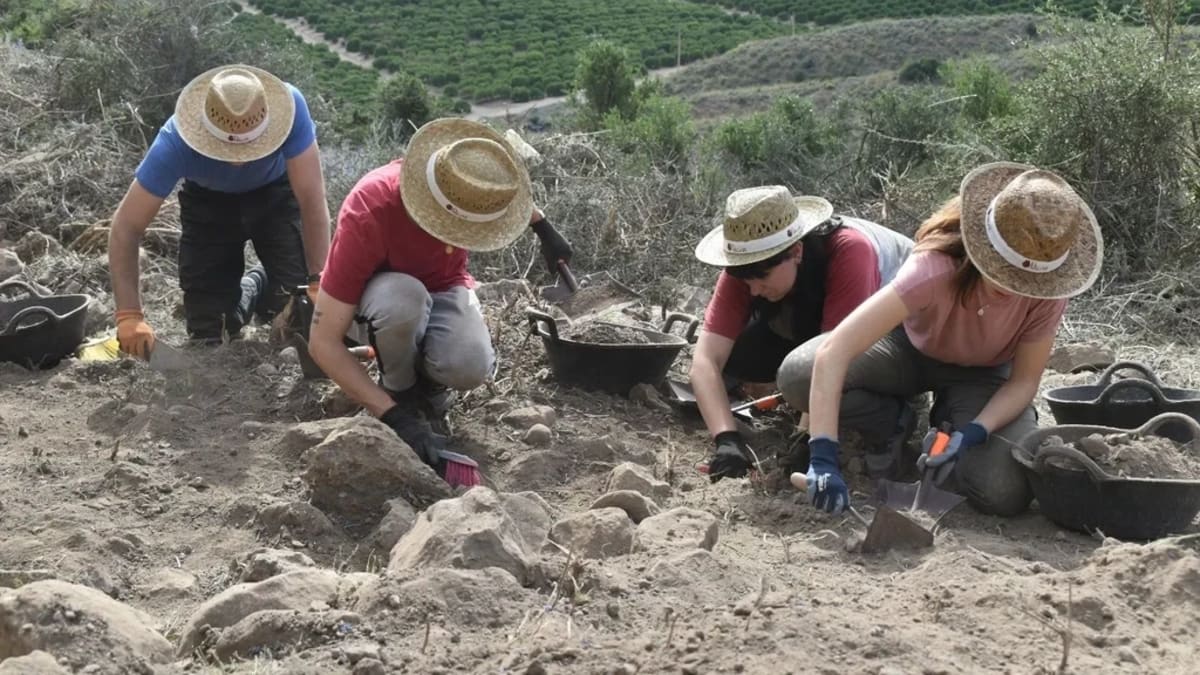
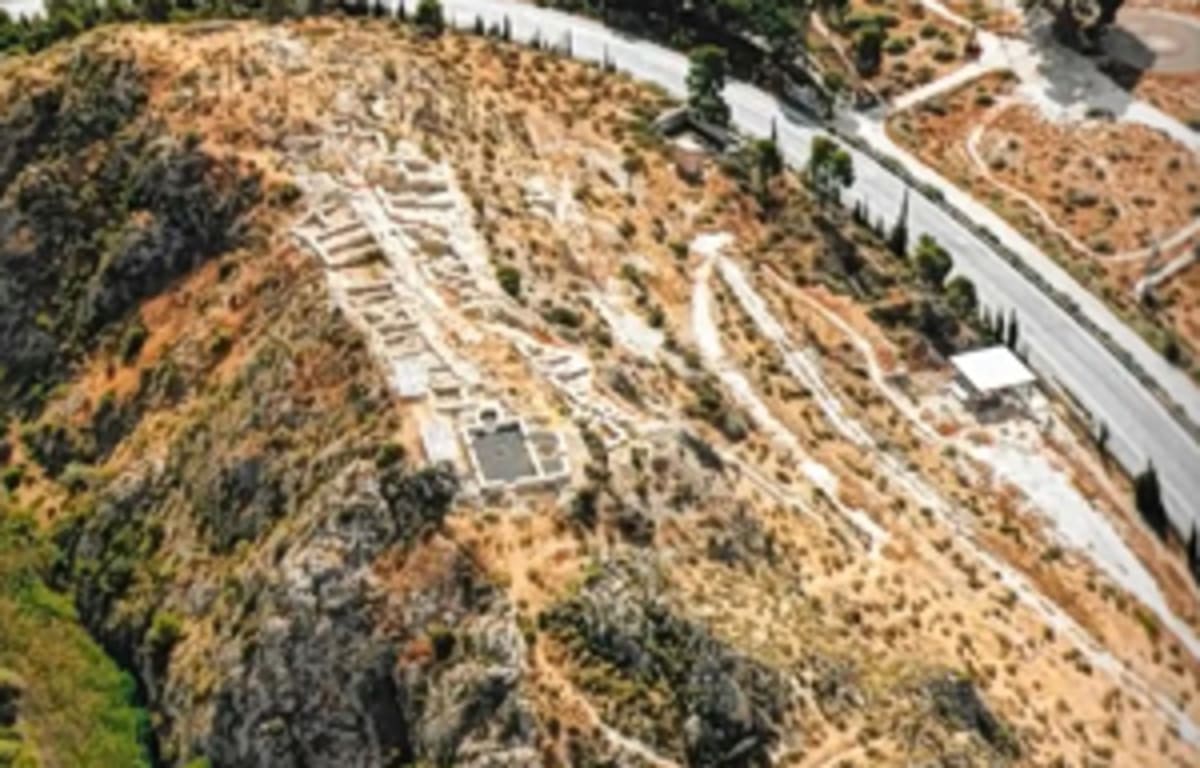
The discovery happened at Cabezo María in Almería, where researchers from the University of Granada found remains of a monastery complex active between the 5th and 8th centuries. Led by Julio Román, José María Martín Civantos, and Antonio Rubio, the team uncovered structures that paint a picture of a vibrant religious community connected to the wider world.
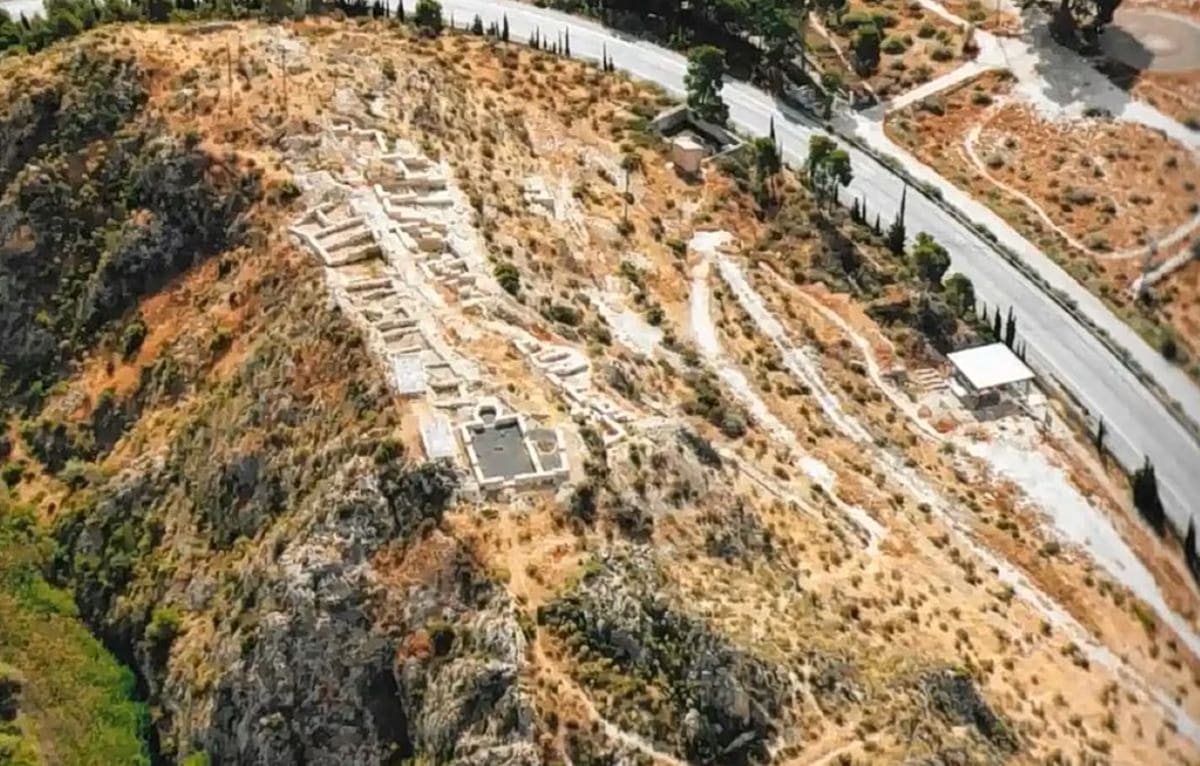
The monastery was built on an impressive scale. Excavators found a large dining hall next to a kitchen and storage area, plus the floor of a three-aisled basilica facing east with a presbytery and complex architectural design. A monumental staircase led from a valley overlook up to the church, suggesting the builders wanted to project authority and grandeur.
Using drone technology, researchers identified cells and facilities carved directly into the rock. The size suggests the monastery could accommodate hundreds of people, including monks and the staff needed to keep such a large community running.
The site may contain the oldest Christian church remains discovered south of Spain's Ebro River. Román believes the monastery served a strategic purpose for the Byzantine Empire, promoting Catholic Christianity during a time when competing beliefs held strong influence in the region.
The Ripple Effect
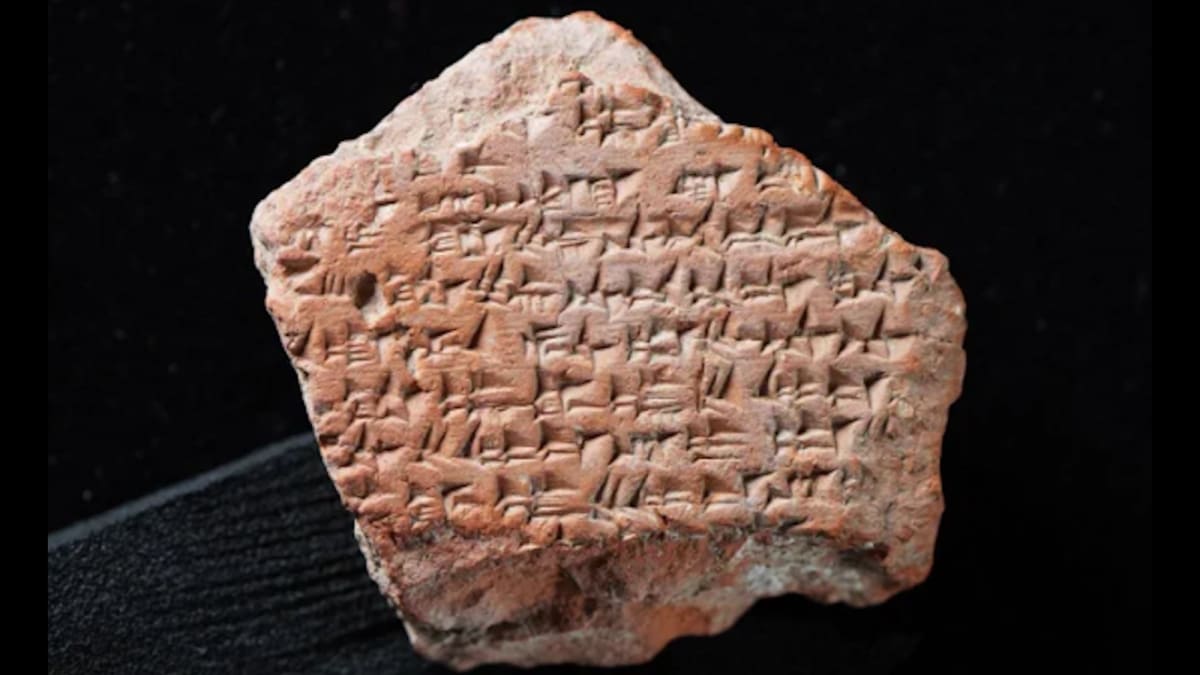
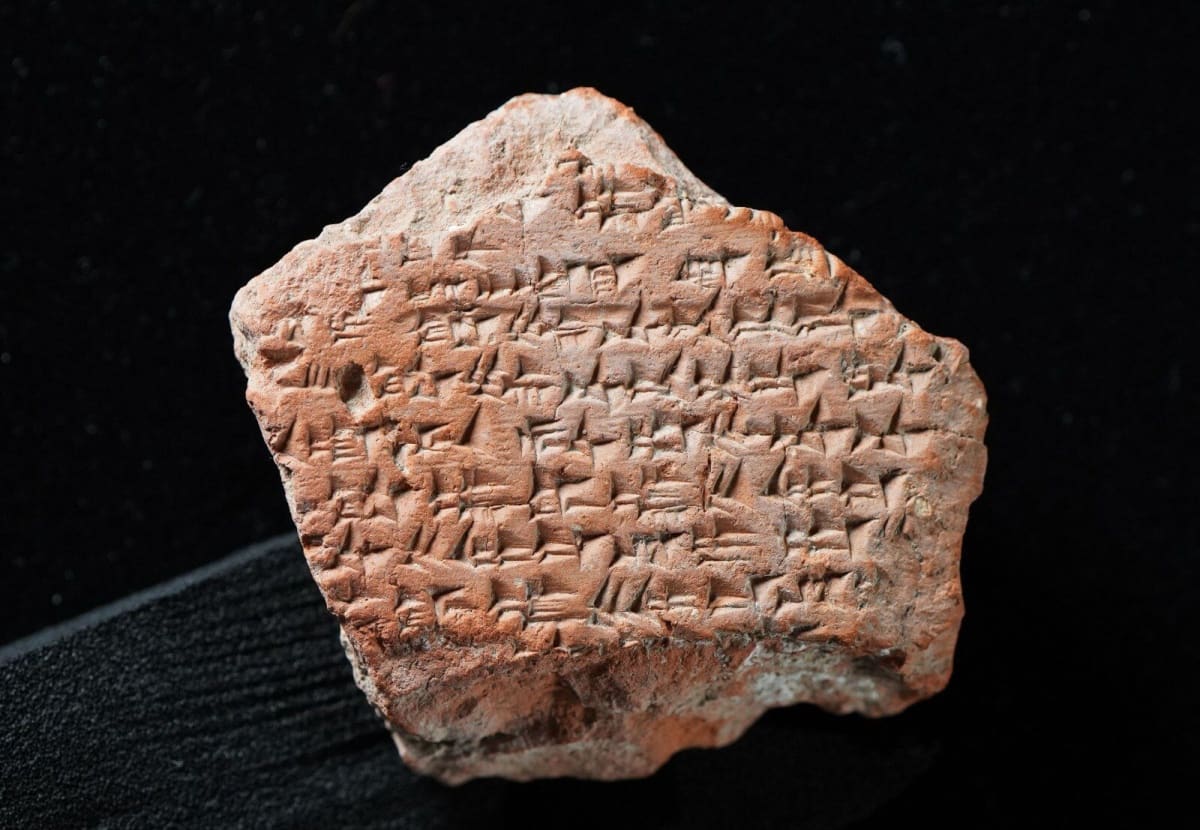
The monastery wasn't just a place of prayer. Archaeologists discovered high-quality ceramics, tableware, amphorae, and oil lamps from across the Mediterranean, including North Africa and the Middle East. Many objects featured Christian symbols like the Easter lamb.
These artifacts tell a story of extensive trade networks that connected Spain to distant cultures. The monastery participated in an exchange of goods, ideas, and faith that shaped the Mediterranean world. Monks here weren't isolated from the world but deeply engaged with it, serving as a hub where religion met commerce and culture.
The discovery offers fresh insight into how Christianity spread and took root on the Iberian Peninsula. It shows how faith communities built lasting institutions that brought people together across vast distances, creating connections that endured for centuries.
The municipality of Antas is already working to protect and promote the site. Plans are underway to transform it into a visitor attraction where people can walk through one of Spain's most important newly revealed historical monuments and connect with the monks who lived, prayed, and traded there over a millennium ago.
More Images
Based on reporting by Google: archaeological discovery
This story was written by BrightWire based on verified news reports.
Spread the positivity!
Share this good news with someone who needs it