Spain's Best-Preserved Stegosaur Skull Rewrites Evolution
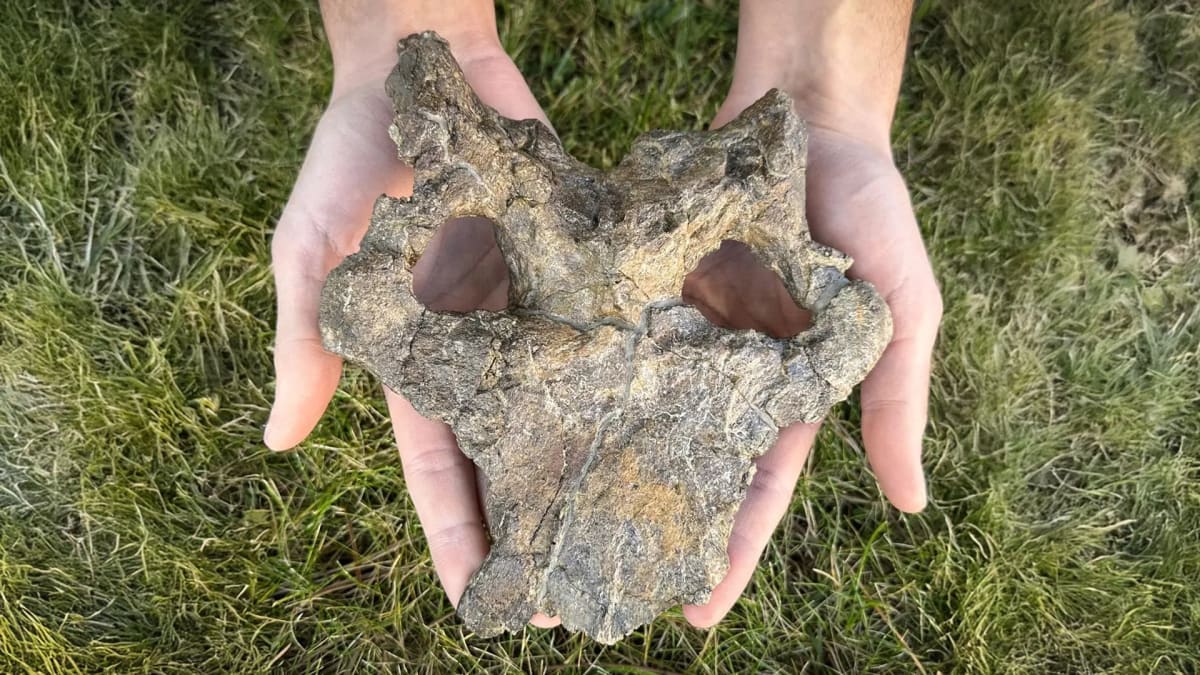
Scientists in Spain just discovered the best-preserved stegosaur skull ever found in Europe, and it's changing what we know about how these iconic plated dinosaurs evolved and spread across the world. The 150-million-year-old fossil is so rare and complete that researchers created an entirely new classification for understanding stegosaur history.
Finding an intact dinosaur skull is like winning the paleontology lottery, and scientists in Spain just hit the jackpot with a discovery that's rewriting 150 million years of history.
Researchers at Fundación Dinópolis in Teruel, Spain uncovered the most complete stegosaur skull ever found in Europe. The fossil belongs to Dacentrurus armatus, one of the continent's most famous plated dinosaurs, and survived in remarkable condition despite the extreme fragility of dinosaur bones.
This discovery comes at a special moment. Scientists first described Dacentrurus armatus exactly 150 years ago in 2025, making this pristine skull a perfect anniversary gift to paleontology.
Stegosaurs are the plant-eating giants best known for the dramatic rows of plates and spikes running down their backs and tails. But their skulls almost never survive the millions of years between their era and ours because the bones are incredibly delicate.
Sergio Sánchez Fenollosa, who co-authored the study published in Vertebrate Zoology, explained that this rare preservation allowed his team to see anatomical details never before visible in European stegosaurs. Those details revealed so much new information that the researchers proposed an entirely new evolutionary framework.
The team created a classification called Neostegosauria that includes medium and large stegosaur species from multiple continents. These dinosaurs lived in what we now call Africa and Europe during the Middle and Late Jurassic, roamed North America in the Late Jurassic, and inhabited Asia through the Late Jurassic into the Early Cretaceous period.
The site where researchers found the skull keeps delivering more treasures. Excavations at Riodeva have uncovered additional bones from the same adult dinosaur plus something even rarer: juvenile stegosaur remains.
Finding young dinosaurs alongside adults at the same site is exceptionally uncommon and gives scientists invaluable insight into how these creatures grew and developed. Alberto Cobos, managing director of Fundación Dinópolis, noted that discoveries like these are establishing Teruel as a world-class location for understanding how life evolved on Earth.
Why This Inspires
This discovery proves that Earth still holds secrets waiting to reward patient, dedicated scientists. After 150 years of studying stegosaurs, we're still learning fundamental new information about how they lived, evolved, and spread across prehistoric continents.
The research also showcases international collaboration at its best. Support came from multiple levels of Spanish government, from local departments in Aragón to national science ministries, all investing in expanding human knowledge.
Every new fossil teaches us that our planet's history is richer and more connected than we imagined, with ancient creatures migrating across continents in patterns we're only beginning to understand.
Future excavations at Riodeva promise even more discoveries that will continue filling gaps in our understanding of prehistoric life.
Based on reporting by Google: fossil discovery
This story was written by BrightWire based on verified news reports.
Spread the positivity!
Share this good news with someone who needs it