Spain's Wildlife Webcams Bring Nature to Your Screen
Millions of people across Spain are tuning into live webcams to watch Iberian lynx, peregrine falcons, and storks in their natural habitats. What started as a scientific tool has become a beloved form of digital leisure, connecting people with nature without leaving home.
Imagine watching an endangered Iberian lynx prowl through Sierra Morena or seeing a swift chick take its first flight, all from your couch.
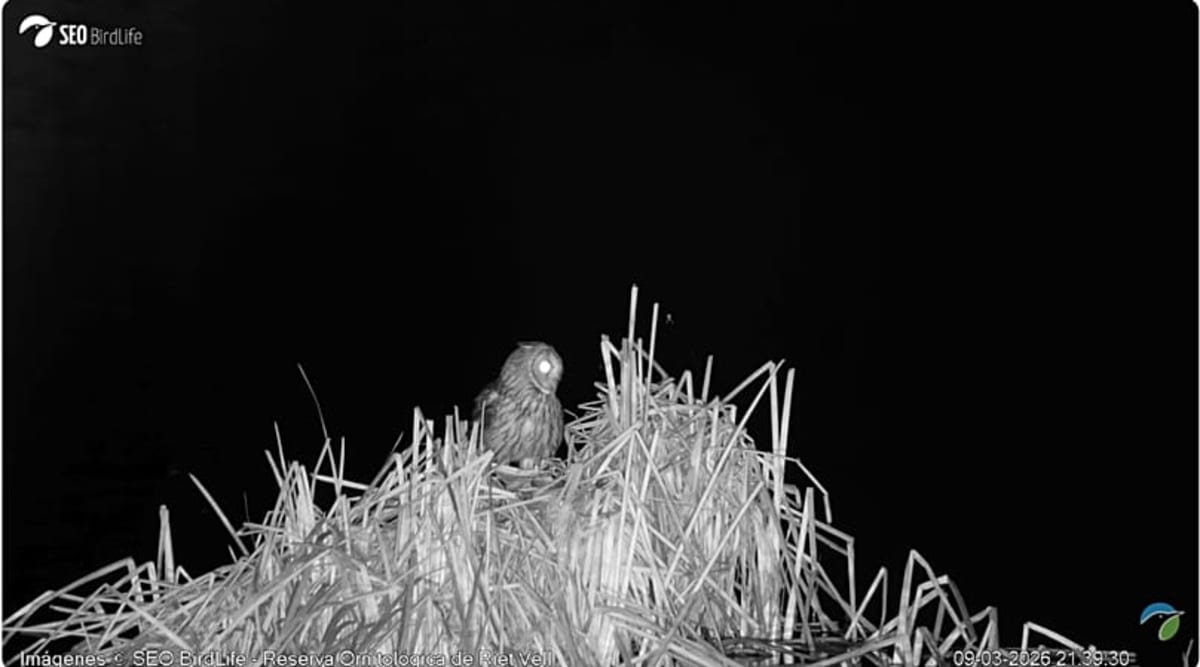
Thanks to live wildlife webcams, thousands of Spaniards are experiencing nature in real time without disturbing a single habitat. Organizations like SEO/BirdLife have been streaming bird nests, wetlands, and protected areas since 2006, bringing wildlife into homes across the country.
The cameras capture everything from peregrine falcons nesting in cliffs to storks raising their young in national parks like Doñana and Cabañeros. Some streams run 24 hours a day, offering free access to anyone with an internet connection.
During the COVID-19 pandemic, these webcams exploded in popularity as people sought connection with the natural world. Spain's Ministry for Ecological Transition highlighted them as a way to experience nature live without leaving home during lockdowns.
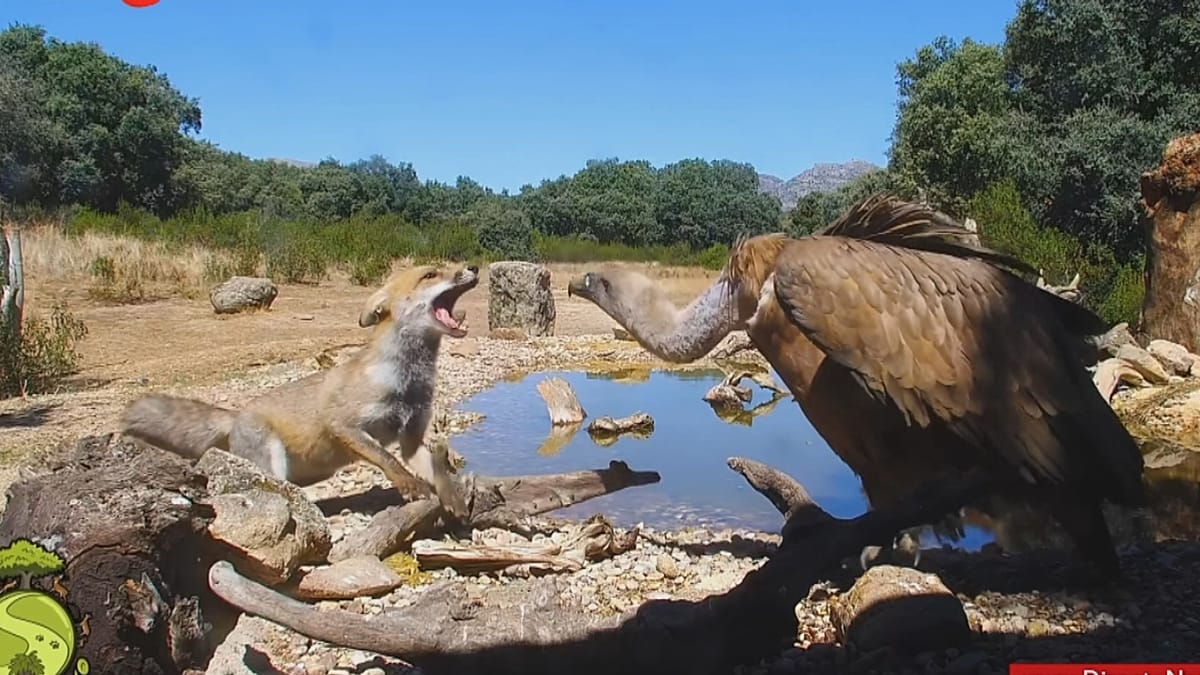
Platforms like Directo Natura have expanded beyond birds to showcase Iberian lynx, one of Spain's most emblematic endangered species. The streams have no narration, no editing, just unfiltered nature as it happens.
The appeal lies in the waiting. Unlike fast-paced social media, viewers spend hours watching quiet moments: an animal approaching a watering hole, parents feeding their young, eggs slowly hatching. Nature doesn't perform on command, and that slowness has become part of the draw.
The Ripple Effect
More than 100 volunteers now monitor these cameras daily as part of citizen science projects, logging thousands of hours of data on breeding behavior and chick development. Their observations help researchers understand species better while giving everyday people a meaningful way to contribute to conservation.
The streams also serve an educational purpose, showing nature exactly as it is, including difficult moments like predation or death. SEO/BirdLife carefully installs cameras outside breeding seasons using camouflaged equipment to minimize disturbance.
What once required hiking boots and binoculars now just needs a screen, bringing forests, wetlands, and mountain ranges to anyone who wants to watch.
More Images
Based on reporting by Euronews
This story was written by BrightWire based on verified news reports.
Spread the positivity!
Share this good news with someone who needs it