Squid Survived Earth's Worst Extinction in Ocean Depths
Scientists finally solved the mystery of how squid and cuttlefish survived the asteroid that killed the dinosaurs 66 million years ago. These intelligent ocean creatures hid in oxygen-rich pockets of the deep sea, then exploded into the diverse species we see today.
For decades, scientists wondered how squid and cuttlefish became so successful when most of their ancient relatives disappeared. New genome research finally reveals their incredible survival story.
Researchers at the Okinawa Institute of Science and Technology cracked the case by sequencing the DNA of squid species from around the world, including the rare ram's horn squid. What they discovered changes our understanding of how life bounced back from catastrophe.
About 100 million years ago, squid ancestors lived quietly in the deep ocean. When the asteroid struck Earth 66 million years ago and wiped out three-quarters of all species, these creatures had an advantage. While dinosaurs and countless other animals died, early squid survived in small oxygen-rich zones deep underwater where conditions remained stable.
Dr. Gustavo Sanchez, who led the study published in Nature Ecology & Evolution, explains that the ocean surface became too harsh for most life. But squid ancestors waited it out in their deep-sea refuges, their evolution barely changing for millions of years.
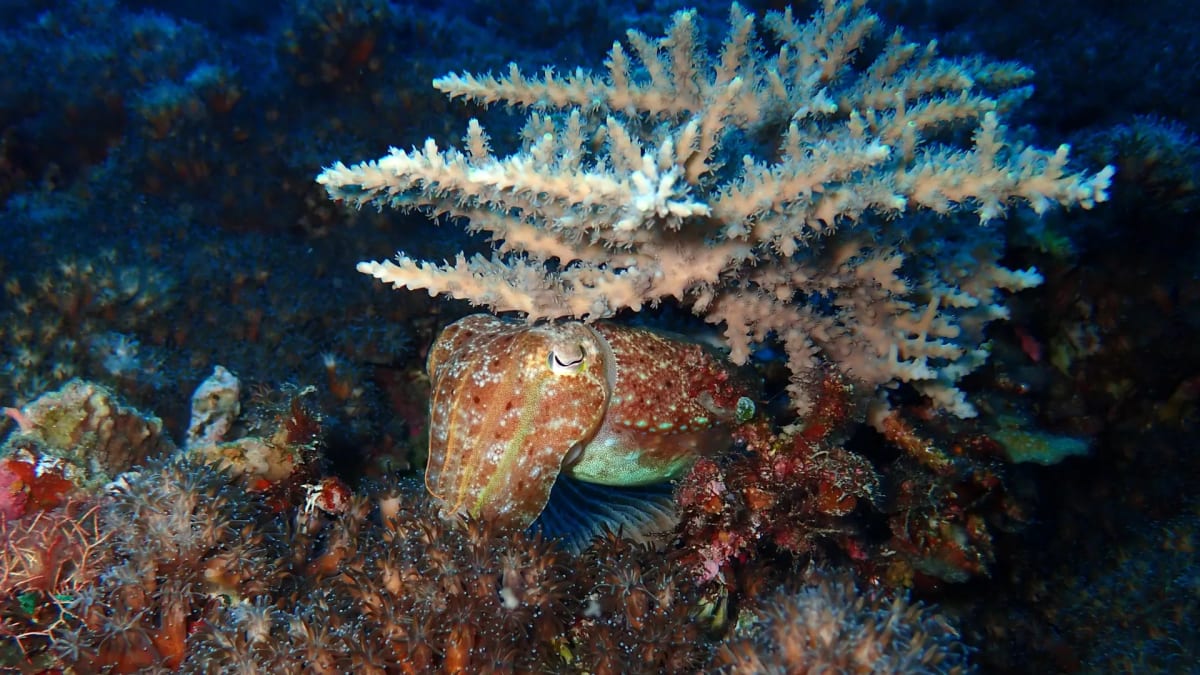
Then something remarkable happened. After the mass extinction cleared out competitors, squid and cuttlefish moved into shallow waters and diversified rapidly. They developed the incredible variety we see today, from color-changing cuttlefish to jet-propelled squid, each adapted to different ocean environments.
Sequencing these genomes was no small feat. Squid DNA is twice as large as human DNA and requires massive computing power to analyze. Many species live in remote locations, making fresh samples hard to collect. The team spent five years collaborating globally to fill in the missing pieces.
The research solved another puzzle too. Scientists had long debated whether the ram's horn squid belonged with cuttlefish because of its unusual spiral shell. The genome data proved it followed a different evolutionary path entirely.
The Bright Side
This discovery shows us that even the worst catastrophes don't end the story. Life finds a way to not just survive but thrive in unexpected places. The same deep ocean zones that sheltered ancient squid continue protecting unique species today.
The findings also help scientists understand which ocean habitats matter most for preserving biodiversity during environmental changes. Knowing that oxygen-rich deep-sea pockets served as crucial refuges during past extinctions could guide modern conservation efforts.
Understanding how squid bounced back from near-extinction reminds us that resilience is built into nature's design.
Based on reporting by Science Daily
This story was written by BrightWire based on verified news reports.
Spread the positivity!
Share this good news with someone who needs it