Sri Lanka Plants Mangroves to Fight Climate Change
Communities across Sri Lanka celebrated World Mangrove Day by planting coastal forests that absorb more carbon than almost any other plant on Earth. These vital ecosystems protect shorelines while fighting global warming.
Communities across Sri Lanka marked UNESCO's World Mangrove Day by planting trees that could help save coastal cities from climate change.
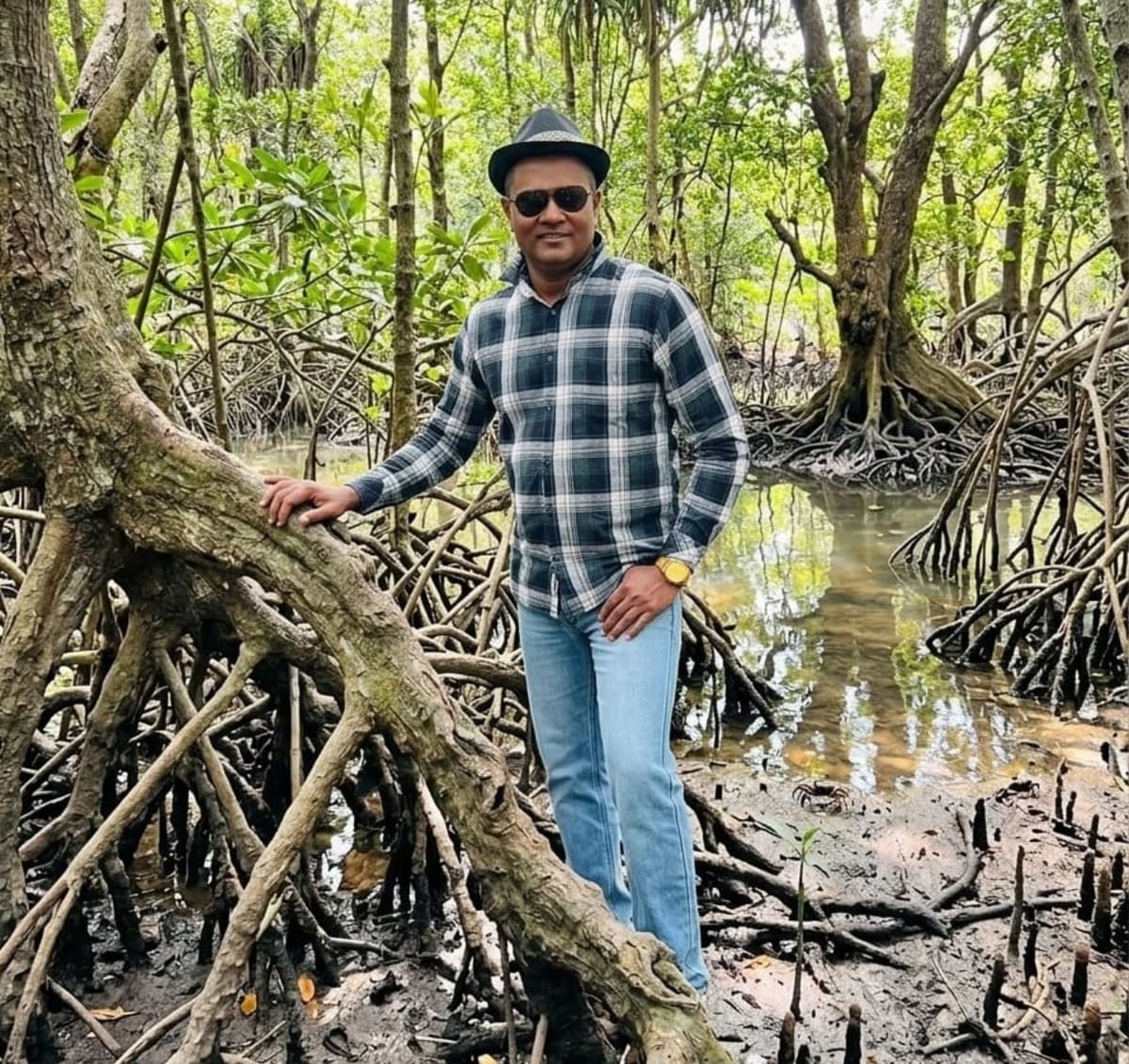
The Lions Club and environmental groups gathered in Muthurajawela Wetlands, the green heart of Western Province, to restore mangrove forests. Cardinal Malcolm Ranjith's Archbishop's Committee for the Protection of Muthurajawela, launched in 2020, made the planting possible.
Mangroves pack an outsized environmental punch despite covering just 0.3 percent of Sri Lanka's land area. These unique trees grow between land and sea, absorbing carbon through their roots and leaves while releasing oxygen at rates higher than most other plants.
"The global environmental crisis in the world is being mitigated by mangrove systems," explained environmentalist Dinusha Nanayakkara, who leads the Archbishop's Committee. He sees mangroves as one of nature's most powerful weapons against global warming.
The trees do double duty by protecting coastal communities from storms and erosion while storing massive amounts of carbon. Lions Club District Leader Diluka Mahawatta called protecting mangroves everyone's responsibility as these forests face rapid destruction worldwide.
The Ripple Effect
The impact of mangrove restoration extends far beyond Sri Lanka's shores. These coastal forests create breeding grounds for fish that feed millions, filter pollutants from water, and shield communities from devastating storm surges.
Nanayakkara stressed the importance of doing reforestation right. Some organizations damage healthy mangrove forests by removing young trees and transplanting them to unsuitable areas where most die.
The solution lies in preserving existing forests and developing new plantations using scientific methods. Education matters too, especially teaching children about mangroves to ensure future generations protect these ecosystems.
The environmentalist finds hope in knowing this "large mangrove system belongs to the entire society" and will help people survive for generations to come.
Based on reporting by Google News - Reforestation
This story was written by BrightWire based on verified news reports.
Spread the positivity!
Share this good news with someone who needs it