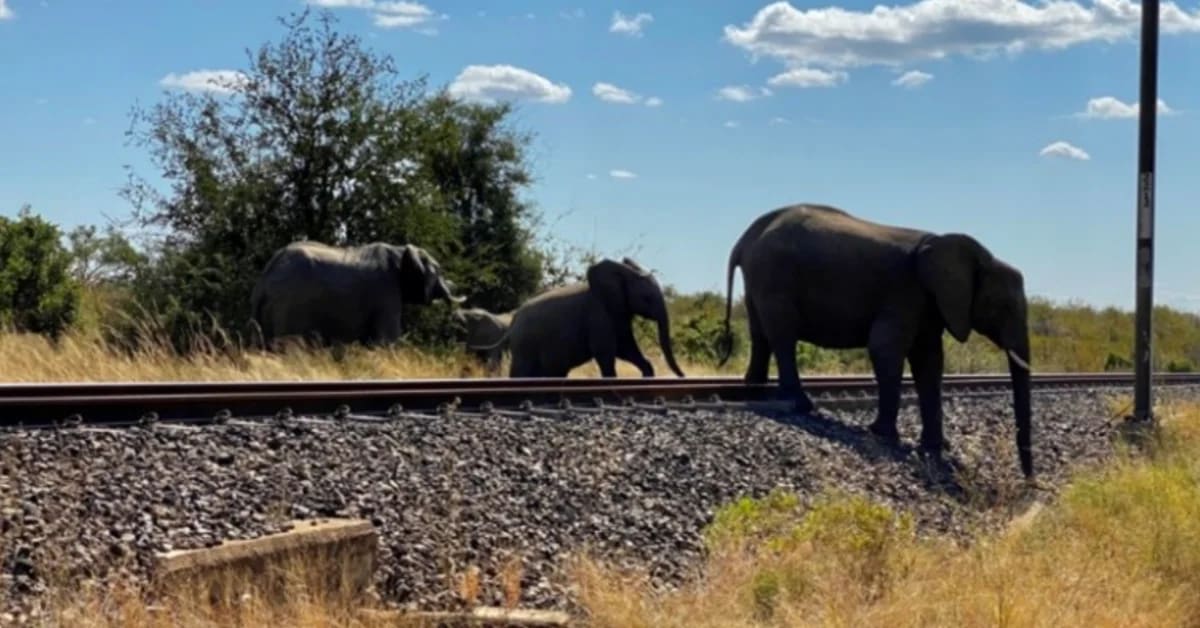
Sri Lanka Uses AI Sensors to Save Elephants from Trains
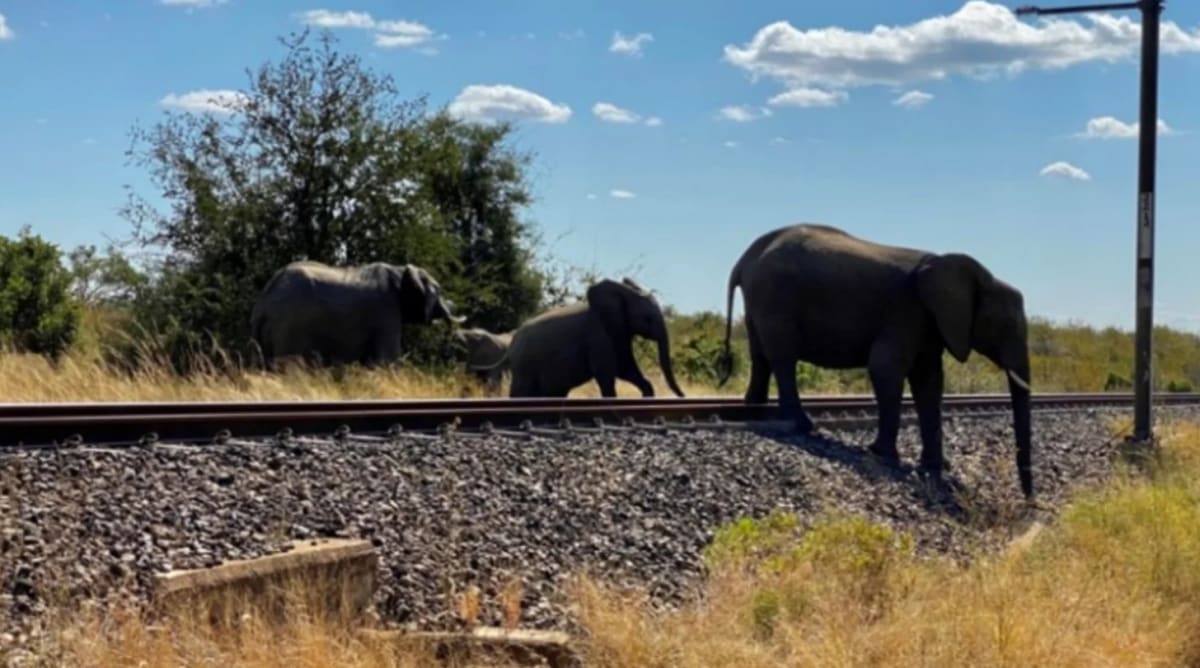
After 21 elephants died in train collisions last year in Sri Lanka, engineers installed AI-powered sensors along railway tracks that detect ground vibrations and sounds to warn conductors in time to brake. The system marks a breakthrough after years of failed attempts to protect migrating elephants.
When a high-speed train rounds a bend and an elephant steps onto the tracks, seconds matter. In Sri Lanka, those seconds have cost 21 wild elephants their lives in 2024 alone, with two more deaths already recorded this year.
Now, railway engineers have finally cracked the code. Instead of mounting cameras on trains that can't see around curves, they're installing AI-powered sensors directly along the tracks at 13 key elephant crossing points.
The technology works by detecting the seismic waves created when an elephant walks. It also captures sounds and other environmental inputs, then uses artificial intelligence to identify the animal and send immediate alerts to train drivers and station personnel through SMS messages and light warnings.
"When a train rounds a bend, the camera cannot see around the curve, so an elephant near the turn goes undetected," explained Ranjan Marasinghe, general director at the Department of Wildlife Conservation. "Most accidents happen at such bends."
The new system gives conductors enough advance warning to slow down before reaching the crossing. "The driver gets advance notice that an elephant is in the vicinity," said engineer S.P.C. Sugeeshwara from Clean Sri Lanka. "Then they can slow down, reduce their speed accordingly, and take appropriate action."
Wildlife officials aren't stopping with sensors. The Department of Forest Conservation is clearing roughly 100 feet of vegetation on both sides of tracks in two-mile stretches at high-traffic crossing zones, making elephants visible from a distance.
They're also rehabilitating water sources and abandoned tanks near elephant habitats. When elephants have reliable access to water and food, they roam less, reducing their need to cross dangerous railway lines.
The Ripple Effect
This multi-layered approach addresses why elephants venture near tracks in the first place. Adult Asian elephants eat up to 660 pounds of vegetation daily, and drought conditions force them to travel farther in search of food and water.
By restoring natural forests and making grasslands more abundant, officials hope to keep elephants in their traditional territories. "Once this has been done, we believe elephant movements will decrease to some extent, as they mostly roam in search of food and water," said P.S.C. Palamakumbura, conservator general of forests.
The pilot project represents years of trial and error finally paying off. After testing various methods without success, wildlife officials and engineers have created a system that protects both Sri Lanka's endangered elephants and the safety of railway passengers.
With sensors now active and habitat restoration underway, Sri Lanka's elephants can migrate in peace.
More Images

Based on reporting by Good Good Good
This story was written by BrightWire based on verified news reports.
Spread the positivity!
Share this good news with someone who needs it