
AI System Saves Wildlife and Prevents Train Delays
A Swedish startup is using smart AI to keep animals safe from trains, planes, and cars while preventing costly delays. Their devices have already helped protect wildlife across three continents.
Read the latest positive news, breakthroughs, and inspiring stories about transportation safety, curated daily by BrightWire.
A Swedish startup is using smart AI to keep animals safe from trains, planes, and cars while preventing costly delays. Their devices have already helped protect wildlife across three continents.

Federal regulators just cleared a major hurdle for autonomous trucks, letting them use modern warning beacons instead of requiring humans to place roadside triangles. The five-year exemption could save lives while moving the trucking industry into the future.

The animated comedy's latest episode tackles America's e-bike challenges with surprising accuracy, highlighting real safety issues while exposing the growing divide between traditional cyclists and e-bike riders. Beneath the satire lies a genuine conversation about youth safety and responsible riding.
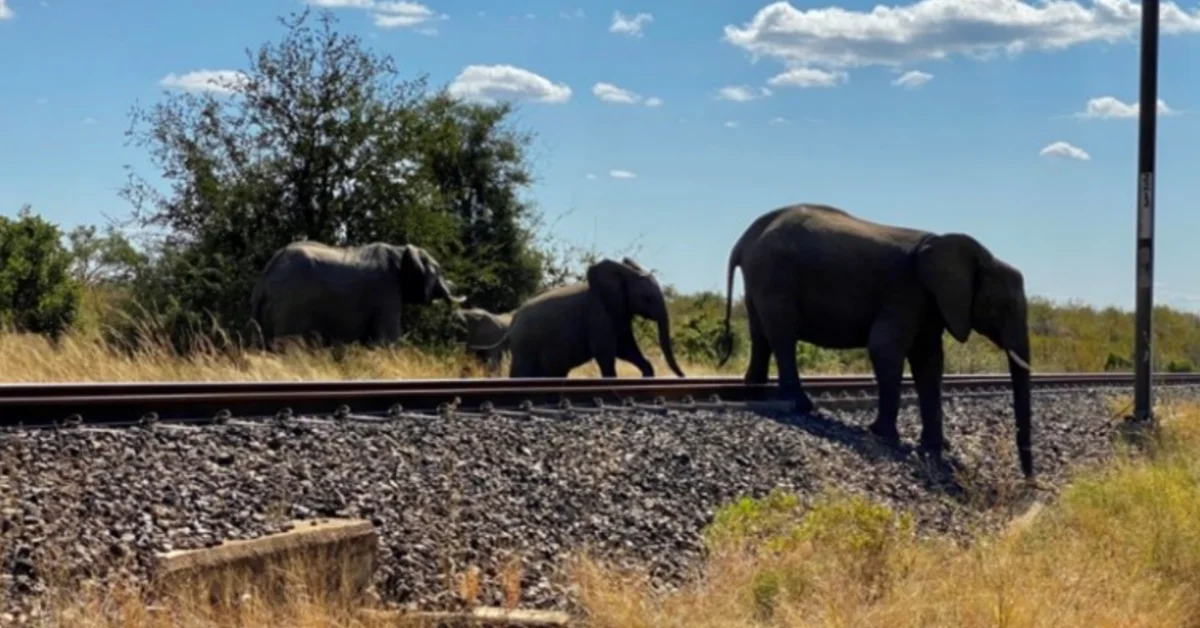
After 21 elephants died in train collisions last year in Sri Lanka, engineers installed AI-powered sensors along railway tracks that detect ground vibrations and sounds to warn conductors in time to brake. The system marks a breakthrough after years of failed attempts to protect migrating elephants.
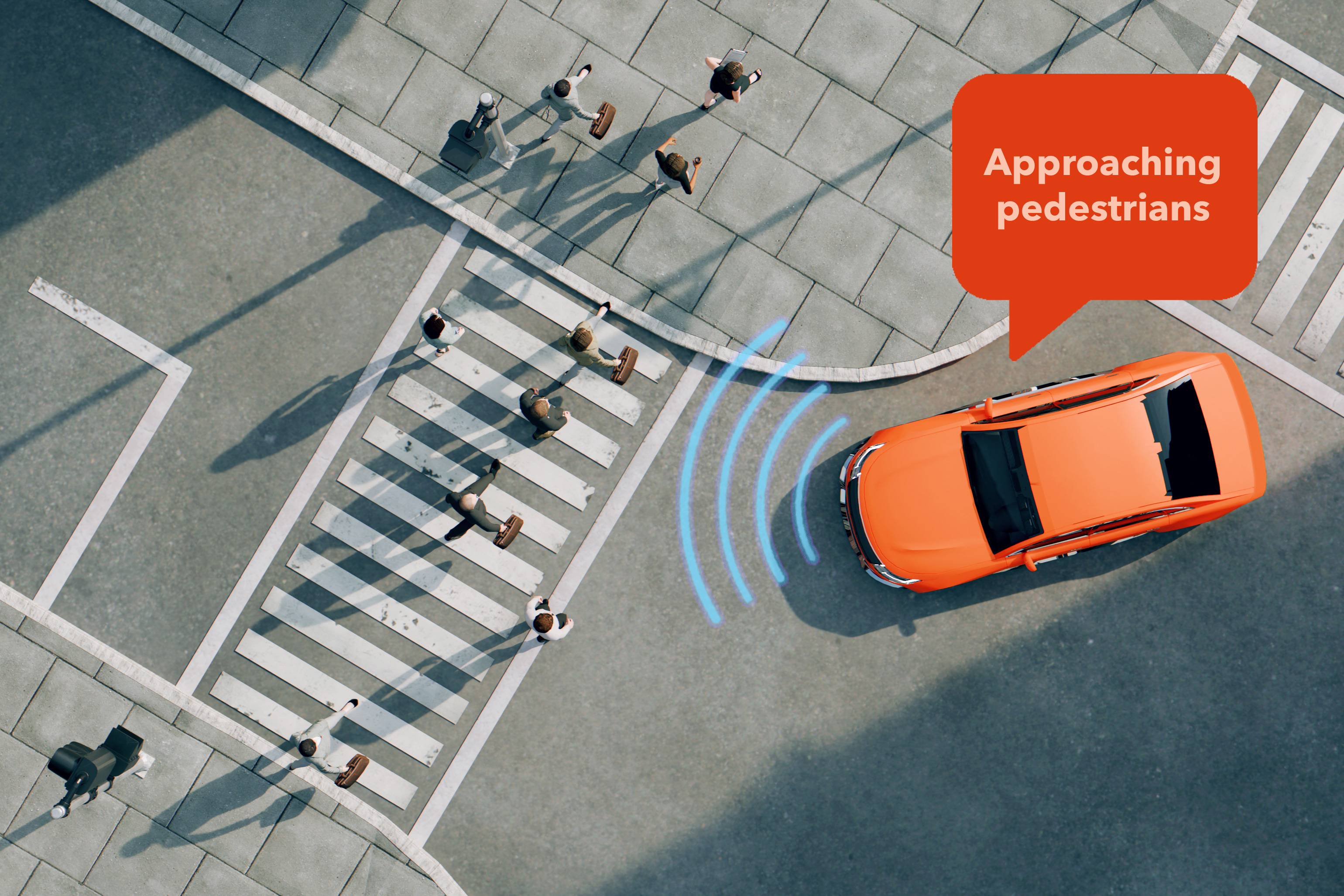
MIT researchers created technology that lets people understand why autonomous vehicles make decisions, helping passengers predict and prevent accidents. Real-world tests show it works.

Two Indian innovators turned monsoon misery into a simple solution that's protecting thousands of delivery drivers, students, and daily commuters. The SEPAL Shield attaches to any motorcycle or scooter in minutes, no tools required.
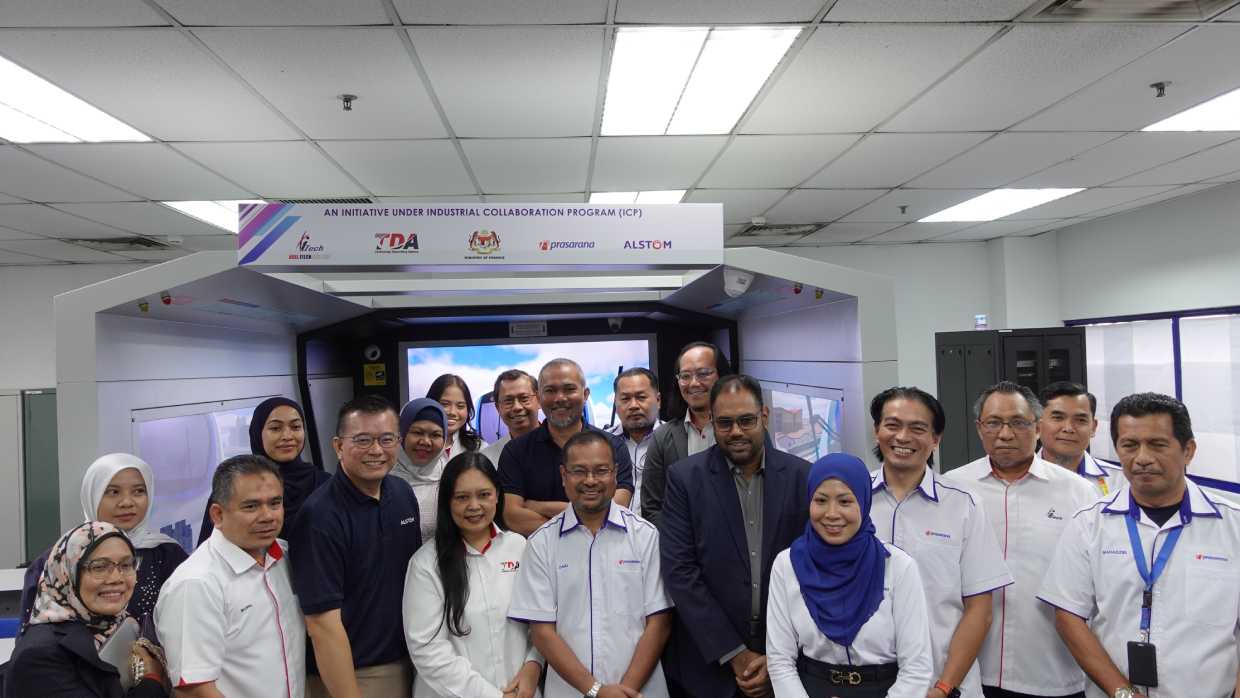
Malaysia just launched its first collaborative train driving simulator, allowing multiple operators to train together in realistic scenarios. The breakthrough technology will make railway operations safer while building local tech expertise.

New York City just expanded a smart sensor program that tracks traffic patterns without collecting personal data, helping engineers design safer streets for pedestrians and cyclists. The technology blurs faces and license plates while counting who uses each street and how.

A South Korean company just earned government certification for technology that helps self-driving cars see the world more clearly. The breakthrough could make autonomous vehicles safer and smarter across multiple industries.
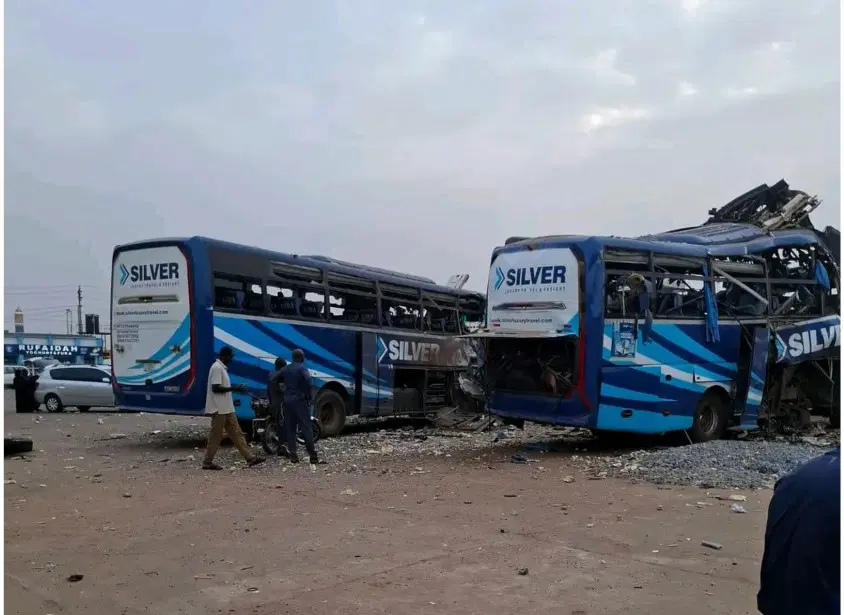
A luxury bus powered by compressed natural gas exploded at a Kaduna motor park early Sunday morning, but thanks to perfect timing, every single person walked away safe. The vehicle sat empty in its parking spot when the blast occurred, turning what could have been a tragedy into a story of fortunate timing.

Bolt just became the first major ride-hailing company to officially register under South Africa's new transport rules, setting a safety standard for the entire industry. The move brings drivers, riders, and regulators closer to a safer, more accountable future.
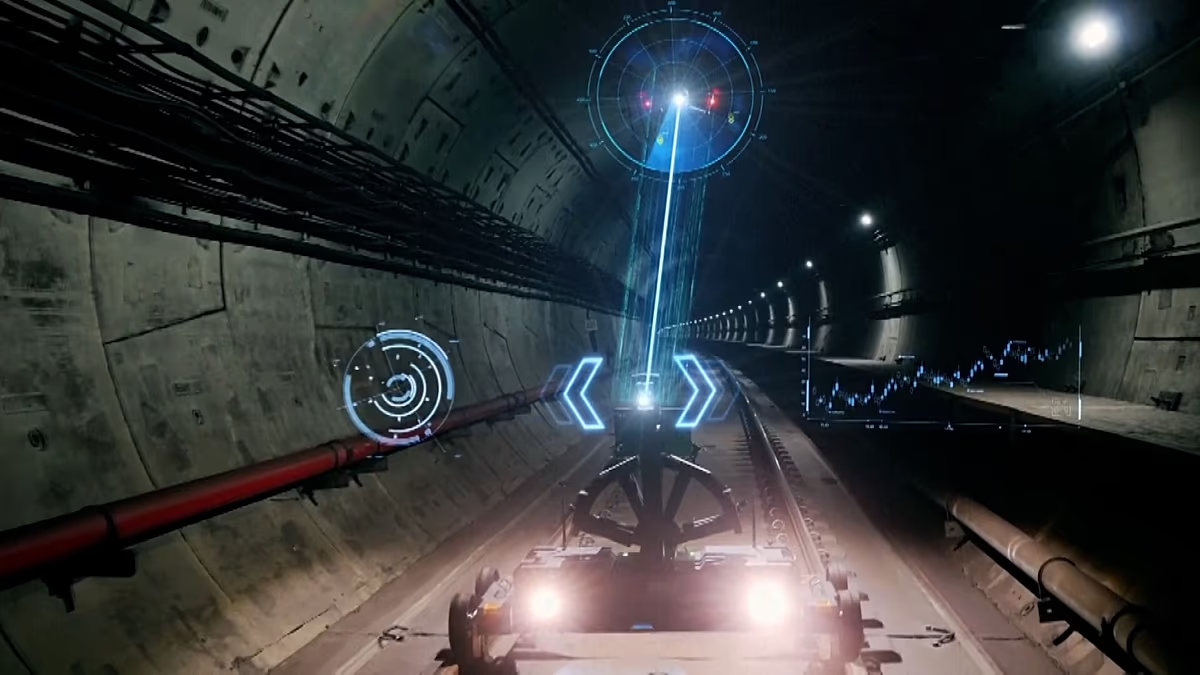
Hefei, China just deployed humanoid assistants, four-legged robots, and drones to help passengers and inspect trains during one of the busiest travel periods of the year. It's the country's first full-space robot cluster for public transit, designed to support staff and make metro travel safer.