Stanford Finds Protein That Regenerates Aging Cartilage
Scientists discovered a protein blocking cartilage repair in aging joints and reversed the damage in older mice and human tissue. The breakthrough could lead to the first drug that actually regrows cartilage instead of just treating pain.
Stanford Medicine researchers just identified why aging joints lose the ability to repair themselves, and they figured out how to reverse it.
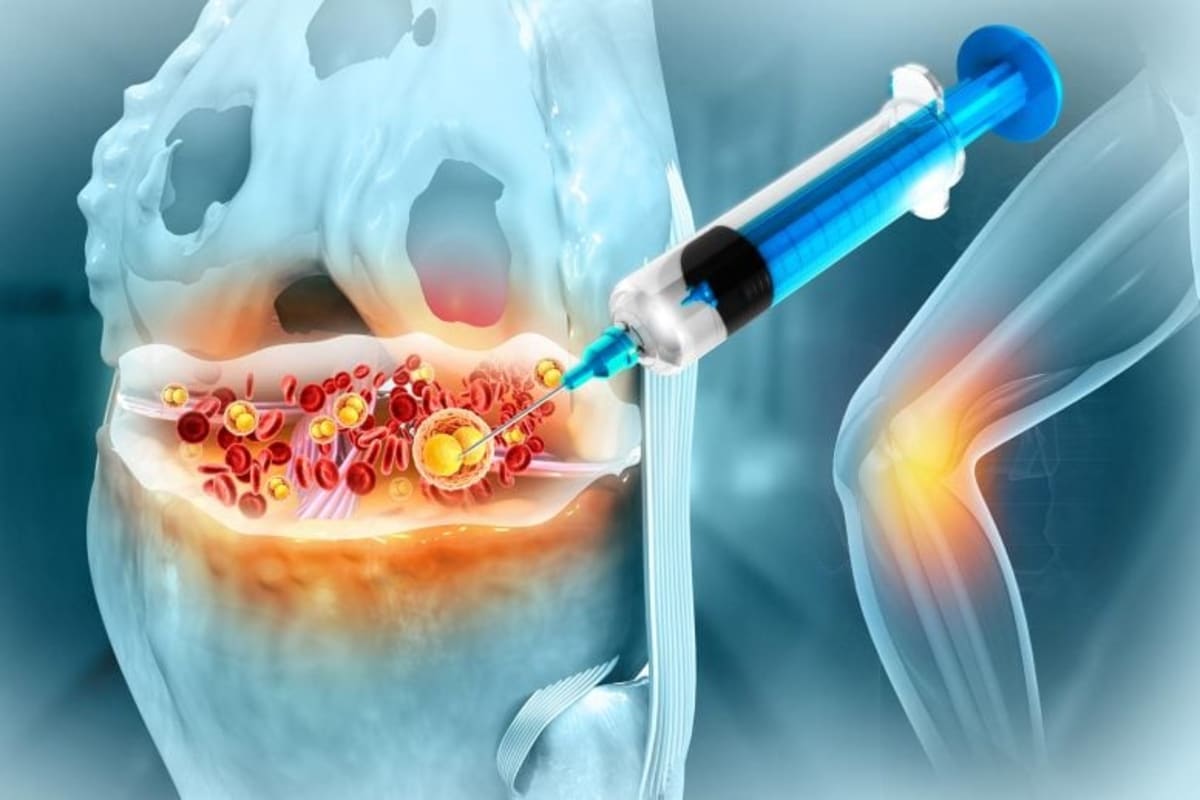
The culprit is a protein called 15-PGDH that roughly doubles in aging joints and actively blocks cartilage from healing. When researchers blocked this protein in older mice, something remarkable happened: worn cartilage grew thick again with smooth, healthy tissue.
The team tested the treatment on human tissue samples from failed knee replacements. After just one week, these end-stage joints showed new cartilage growth and fewer damaged cells. That's stunning because these weren't slightly damaged knees. These were joints so destroyed they'd already been replaced.
The Ripple Effect
This discovery is part of a bigger breakthrough about aging itself. The protein 15-PGDH belongs to a class called gerozymes: proteins that pile up with age and shut down the body's ability to repair muscle, bone, nerve, and blood tissue.
Understanding how gerozymes work means scientists can now target aging as a treatable process instead of an inevitable decline. This cartilage research proves the concept works in real human tissue, not just lab mice.
The researchers found something unexpected about how cartilage actually repairs itself. Most tissues need stem cells to regenerate, but cartilage skips that step entirely. The cells already living in your joints can shift their function and become healthy again without any outside help. They just need the brake released.
"We were looking for stem cells, but they are clearly not involved," said Helen Blau, professor of microbiology and senior author. "It's very exciting."
When the team gave older mice the protein blocker, cells responsible for cartilage breakdown dropped from 8 percent to 3 percent. Cells that build healthy cartilage jumped from 22 percent to 42 percent. The mice with ACL injuries walked more normally and put more weight on their injured legs.
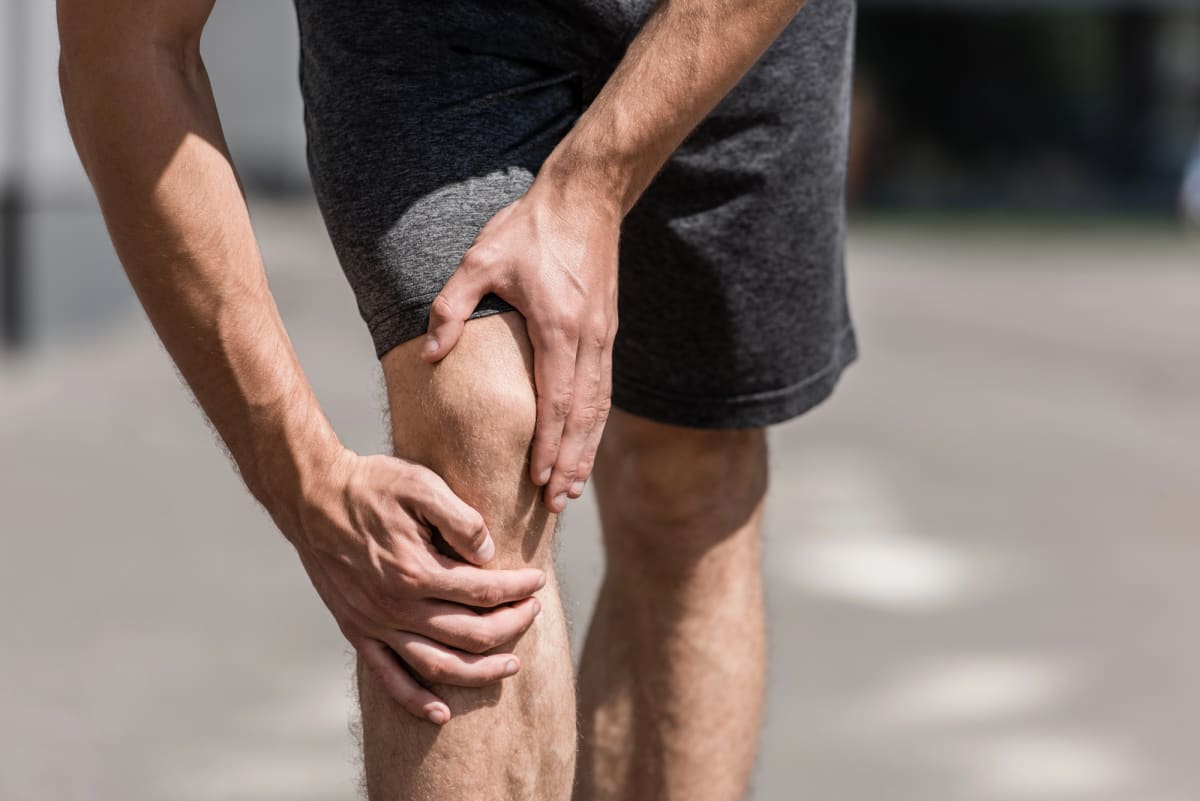
This matters because osteoarthritis affects hundreds of millions of people worldwide. About half of people who tear their ACL develop arthritis in that joint within 15 years. No approved drug currently regrows lost cartilage. Every treatment today just manages symptoms.
A Phase 1 safety trial of a 15-PGDH inhibitor for muscle weakness has already been completed successfully. A cartilage trial is next, bringing this discovery one step closer to helping people keep their natural joints.
"This gerozyme inhibitor causes a dramatic regeneration of cartilage beyond that reported in response to any other drug or intervention," said Nidhi Bhutani, associate professor of orthopedic surgery and co-senior author.
The path from damaged joints to surgery might finally have another option.
Based on reporting by Optimist Daily
This story was written by BrightWire based on verified news reports.
Spread the positivity!
Share this good news with someone who needs it