Stanford Scientists Redesign Old Drug to Beat COVID Strains
Researchers transformed a hepatitis C medication into a powerful new COVID-19 treatment that works even against virus variants resistant to current therapies. The breakthrough could help patients who no longer respond to existing options.
Scientists at Stanford University have created a promising new weapon against treatment-resistant COVID-19 by redesigning a decade-old hepatitis C drug atom by atom.
The team started with boceprevir, a drug originally developed to fight hepatitis C, and completely reimagined its structure. Using powerful X-ray technology at the Stanford Synchrotron Radiation Lightsource, they studied exactly how the drug could better attack a key enzyme the coronavirus needs to multiply.
That enzyme, called Mpro, acts like a critical piece of machinery for the virus. Without it, COVID-19 cannot replicate inside the body.
Here's what makes this approach so clever: Mpro stays remarkably consistent across different COVID variants. While other parts of the virus mutate and change, this enzyme remains stable, making it an ideal target for treatment.
Current therapies like Paxlovid have saved countless lives, but some virus variants now carry mutations that reduce their effectiveness. Patients infected with these resistant strains need new options.
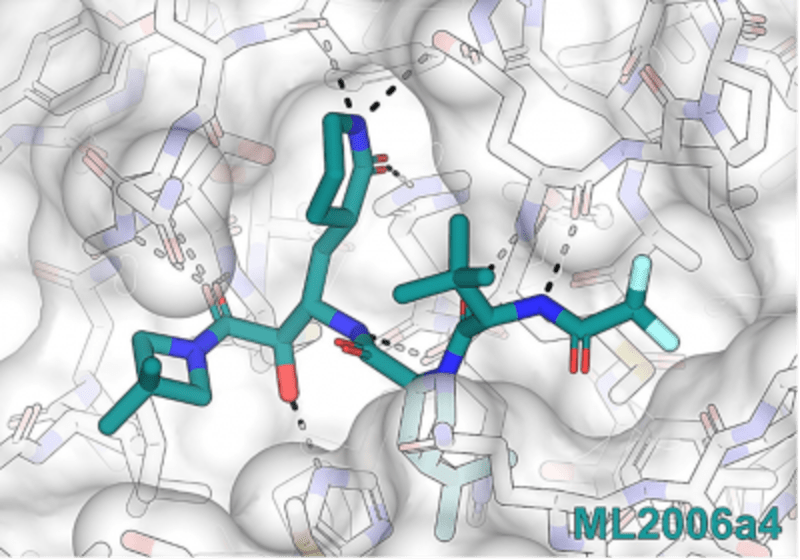
The Stanford team refined boceprevir piece by piece, improving how tightly it grips the enzyme's active pockets. Think of it like redesigning a key to fit a lock more perfectly.
Their final creation, called ML2006a4, binds more strongly and lasts longer than earlier drugs. In animal studies, it showed superior protection against multiple COVID strains, including those resistant to existing treatments.
Why This Inspires
This research shows how scientific creativity can breathe new life into existing medicines. Rather than starting from scratch, the team saw potential in a drug already proven safe for human use and made it better.
The approach also demonstrates the power of precision science. By using advanced imaging to see exactly how molecules interact, researchers could make targeted improvements that dramatically boosted effectiveness.
Most importantly, this work addresses a real and growing problem. As viruses evolve resistance to our treatments, we need scientists thinking ahead to the next generation of therapies.
The drug still needs to complete clinical trials before reaching patients, but the preclinical results offer genuine hope. For people who might one day face treatment-resistant COVID infections, this redesigned medication could provide a crucial lifeline when other options fail.
Based on reporting by Google News - New Treatment
This story was written by BrightWire based on verified news reports.
Spread the positivity!
Share this good news with someone who needs it