Star Collapses Into Black Hole Without Exploding
Astronomers discovered footage of a massive star quietly collapsing into a black hole without the usual supernova explosion, hiding in plain sight for a decade. The discovery challenges everything scientists thought they knew about how stars die.
📺 Watch the full story above
A dying star just rewrote the rules of cosmic death, and scientists almost missed it entirely.
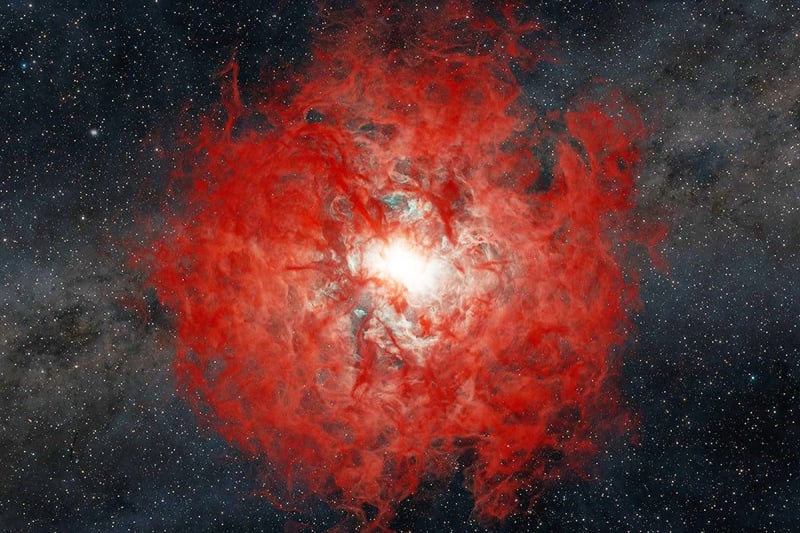
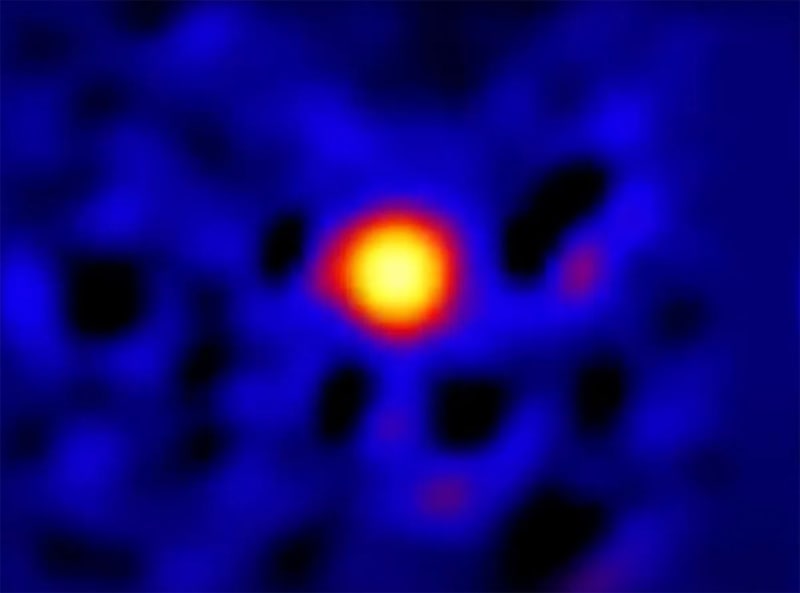
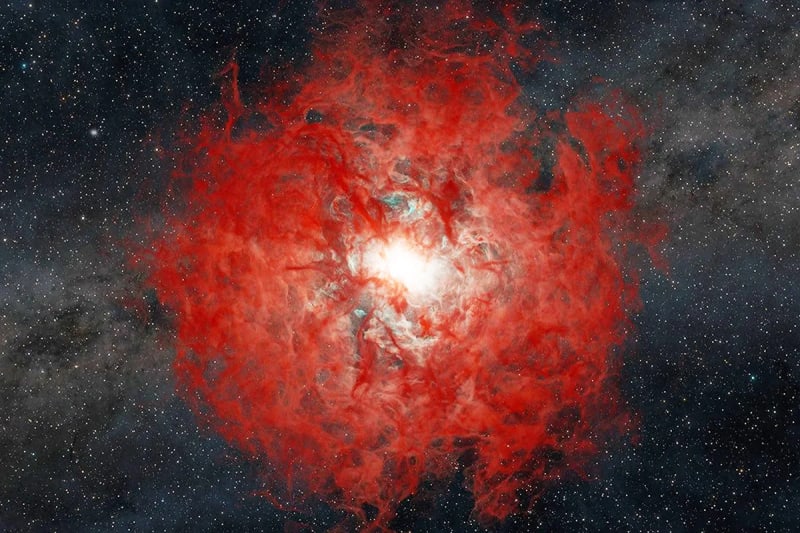
Astronomers digging through old telescope data have witnessed something they've predicted for decades but never actually seen: a massive star collapsing directly into a black hole without exploding. The star, named M31-2014-DS1, simply grew brighter in infrared light for three years, then vanished, leaving only a shell of dust behind.
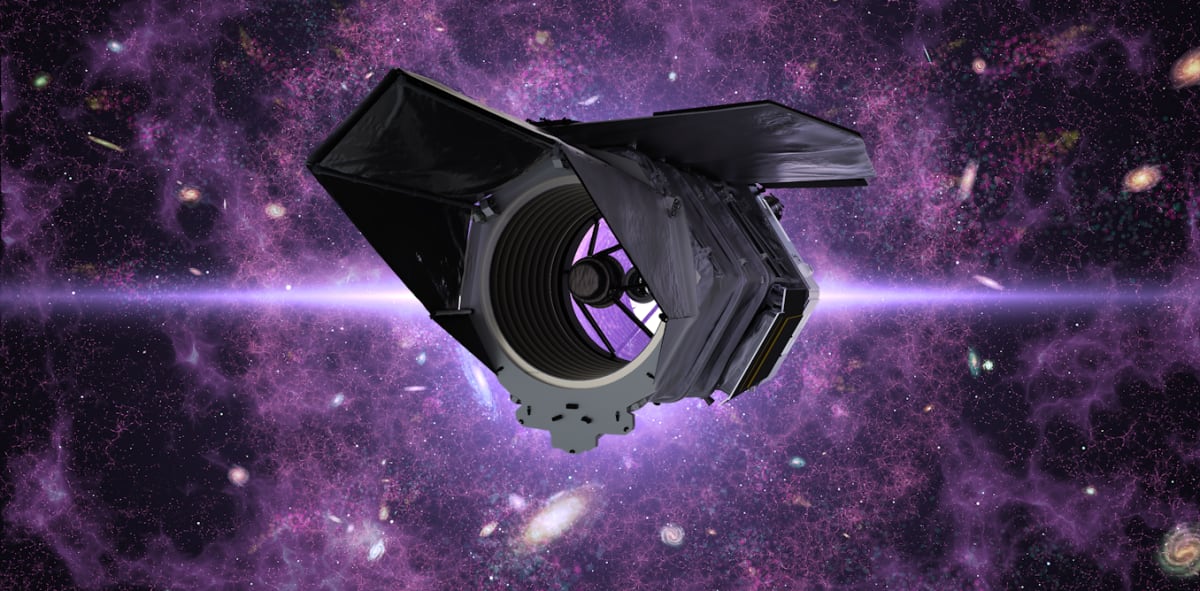
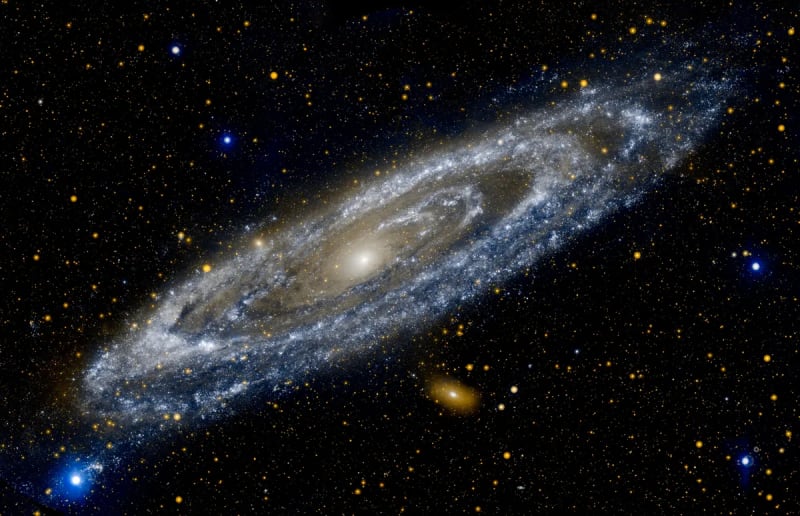
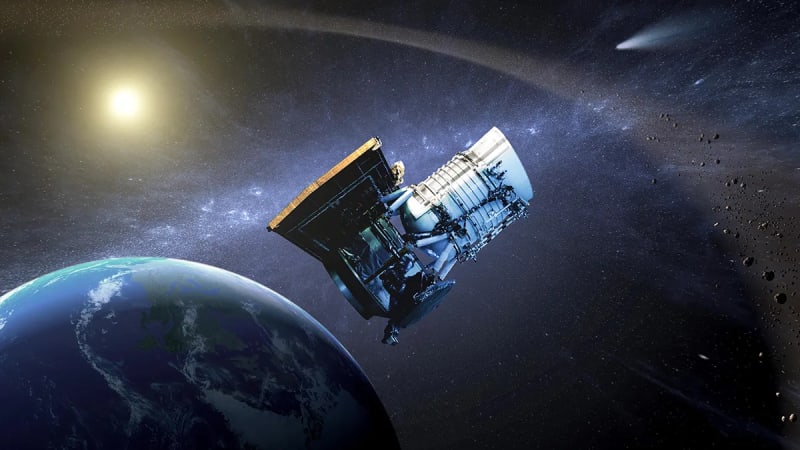
The discovery happened almost by accident. NASA's NEOWISE spacecraft, an asteroid-hunting telescope that was destroyed in 2024, captured the event back in 2014 in the Andromeda Galaxy, 2.5 million lightyears away. For years, the footage sat unnoticed in public archives until a team led by Kishalay De of Columbia University decided to look closer.
"This has probably been the most surprising discovery of my life," De says. "The evidence of the disappearance of the star was lying in public archival data and nobody noticed for years until we picked it out."
The star was originally about 13 times heavier than our Sun but had shed most of its material by the time it died, shrinking to just five solar masses. Scientists always assumed stars this size would explode as supernovae, but this one took a quieter path.
Instead of blasting its core outward in a brilliant explosion, the star's inner core appears to have collapsed inward on itself, forming a black hole in what astronomers call direct collapse. The process left behind barely a whisper, just a faint infrared glow that lasted three years before fading completely.
"Unlike finding supernovae, which is easy because the supernova outshines its entire galaxy for a few weeks, finding individual stars that disappear without producing an explosion is remarkably difficult," De explains.
Why This Inspires
This discovery opens a window into one of the universe's greatest transformations. For the first time, scientists are watching stars become black holes in real time, learning that death in space doesn't always arrive with fireworks.
The finding suggests that massive stars may take multiple paths to their end, depending on how gravity, gas pressure, and shock waves interact inside them. Some explode spectacularly, while others slip away quietly, and we're only now learning to tell the difference.
Morgan MacLeod, a Harvard astronomer and co-author on the study, captures the excitement perfectly: "We've known that black holes must come from stars. With these two new events, we're getting to watch it happen, and are learning a huge amount about how that process works along the way."
The discovery proves that groundbreaking science can hide in plain sight, waiting for someone curious enough to look closer.
More Images
Based on reporting by Google News - Science
This story was written by BrightWire based on verified news reports.
Spread the positivity!
Share this good news with someone who needs it