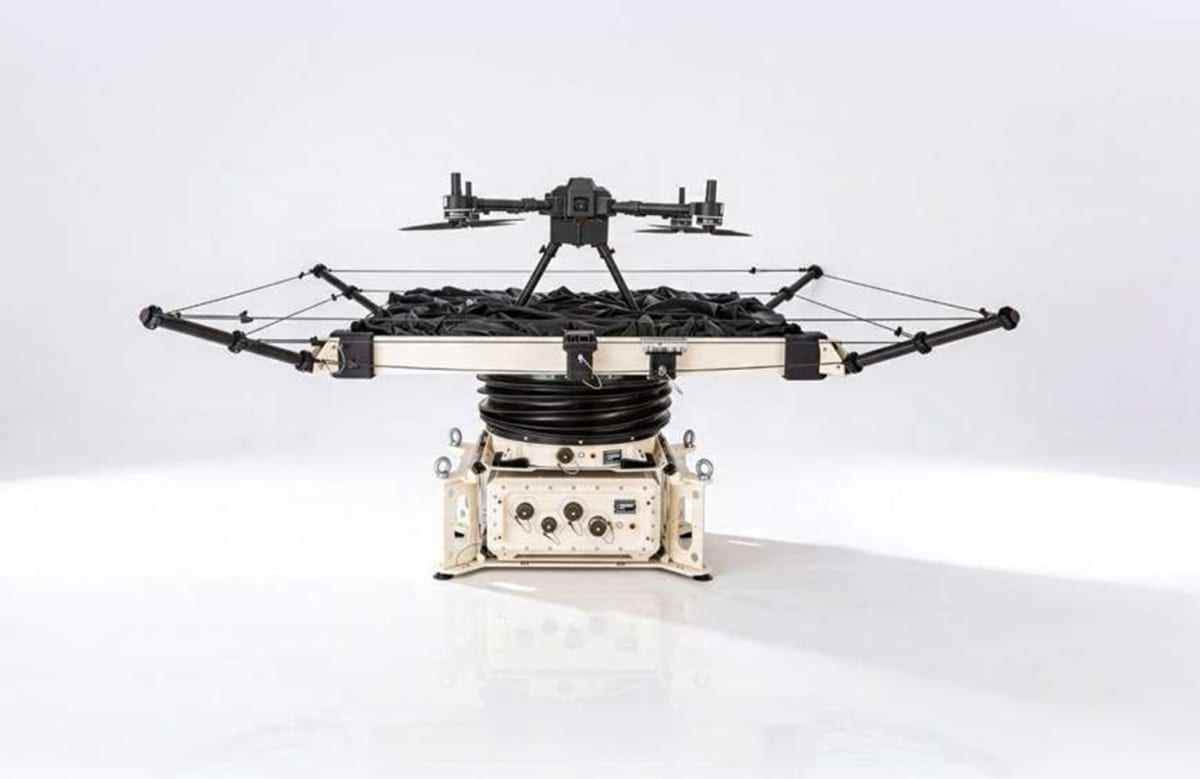
Startup's AI Landing System Lets Drones Land on Moving Ships
A new robotics company just solved one of the biggest challenges in ocean drone operations: landing safely on moving boats in rough seas. The breakthrough could transform offshore industries from shipping to search and rescue.
📺 Watch the full story above
Drones have revolutionized industries from filmmaking to delivery, but there's been one place they've struggled to operate: on the open ocean.
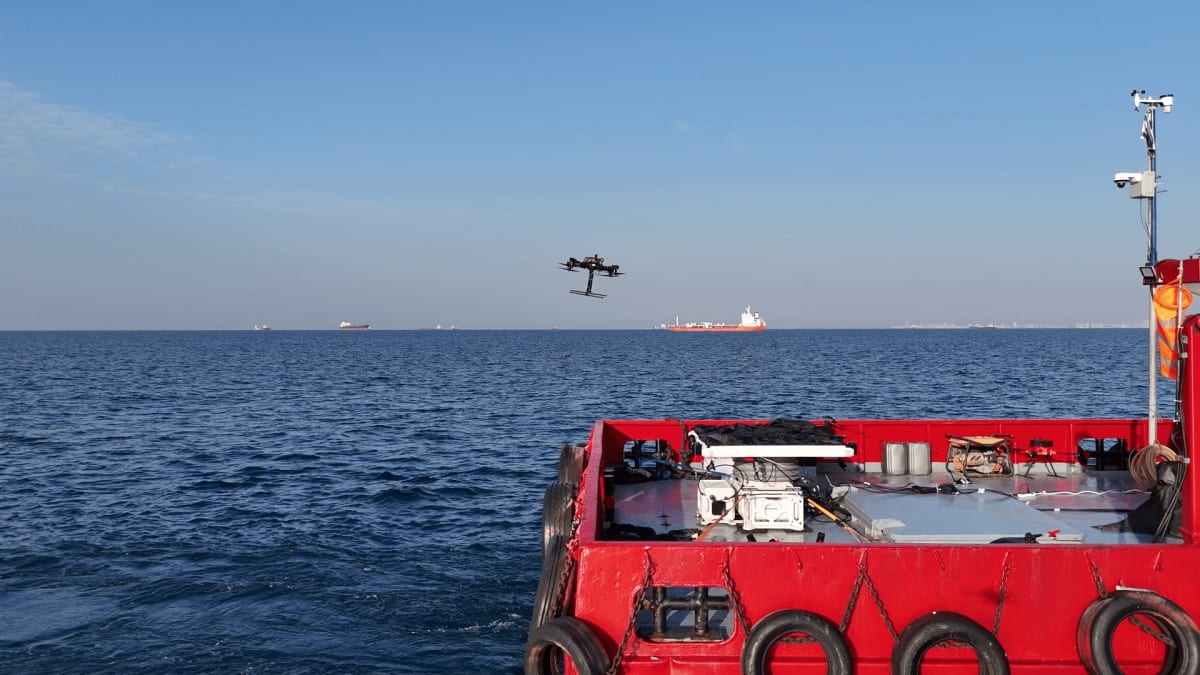
WaiV Robotics just emerged with a solution that lets drones land and take off from boats as small as 33 feet, even in rough seas. The London startup raised $7.5 million to tackle what founder Johnny Carni calls one of robotics' trickiest challenges.
The problem sounds simple but gets complicated fast. A ship's deck rolls unpredictably with waves, often covered in slippery saltwater. Drones normally land gently, but a gentle touchdown on a moving boat can flip the aircraft over or send it sliding into the ocean.
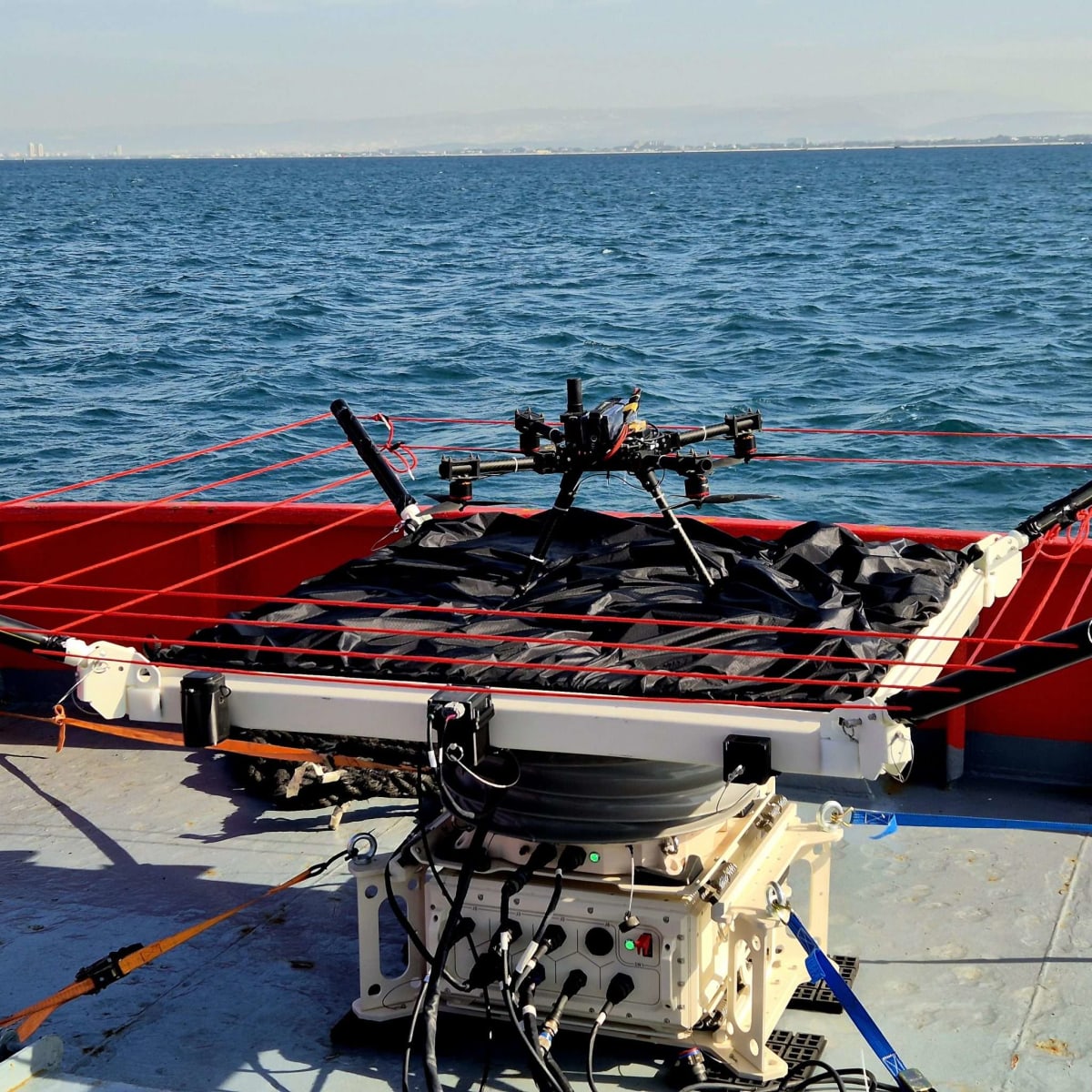
WaiV's answer combines three innovations: a gyro-stabilized landing pad that stays level despite the waves, shock absorbers that prevent bouncing, and a locking mechanism that grabs the drone the instant it touches down. AI algorithms predict the boat's movement and guide the drone to meet the pad at exactly the right moment.
The system works with any drone without modifications. WaiV connects to the drone's existing remote control and takes over like an expert pilot when the human operator presses a button. The human can regain control anytime.
Carni and his team trained their AI using simulations of countless sea conditions, then validated everything with real-world ocean testing. They tested different drone weights and designs to ensure the system handles everything from lightweight surveillance drones to heavier cargo carriers.
The platform currently supports drones up to 33 pounds, with plans to expand to larger aircraft weighing up to 660 pounds. WaiV designed the technology to work on vessels of any size, opening drone operations to smaller boats that previously couldn't deploy them reliably.
The Ripple Effect
This breakthrough could transform how offshore industries operate. Search and rescue teams could deploy drones from small patrol boats. Shipping companies could inspect vessels at sea without risky ladder climbs. Wind farm operators could survey turbines more frequently and safely.
Environmental researchers have already expressed interest in using the technology for marine wildlife monitoring from research vessels. Coast guards worldwide face dangerous conditions when inspecting ships, and autonomous drones could reduce those risks.
The technology also strengthens maritime security, allowing smaller patrol vessels to extend their surveillance range without expensive helicopter support. Oil and gas platforms could conduct more frequent safety inspections without putting workers in harm's way.
WaiV's commitment to working with existing drones, rather than requiring expensive custom equipment, means these benefits could reach operators faster and more affordably. The company says it can connect to nearly any drone control system on the market.
Safe drone operations at sea just got a whole lot easier, and the industries that depend on ocean work are already taking notice.
More Images

Based on reporting by The Robot Report
This story was written by BrightWire based on verified news reports.
Spread the positivity!
Share this good news with someone who needs it