MIT Startup Trains 100 Robots Like Kindergartners
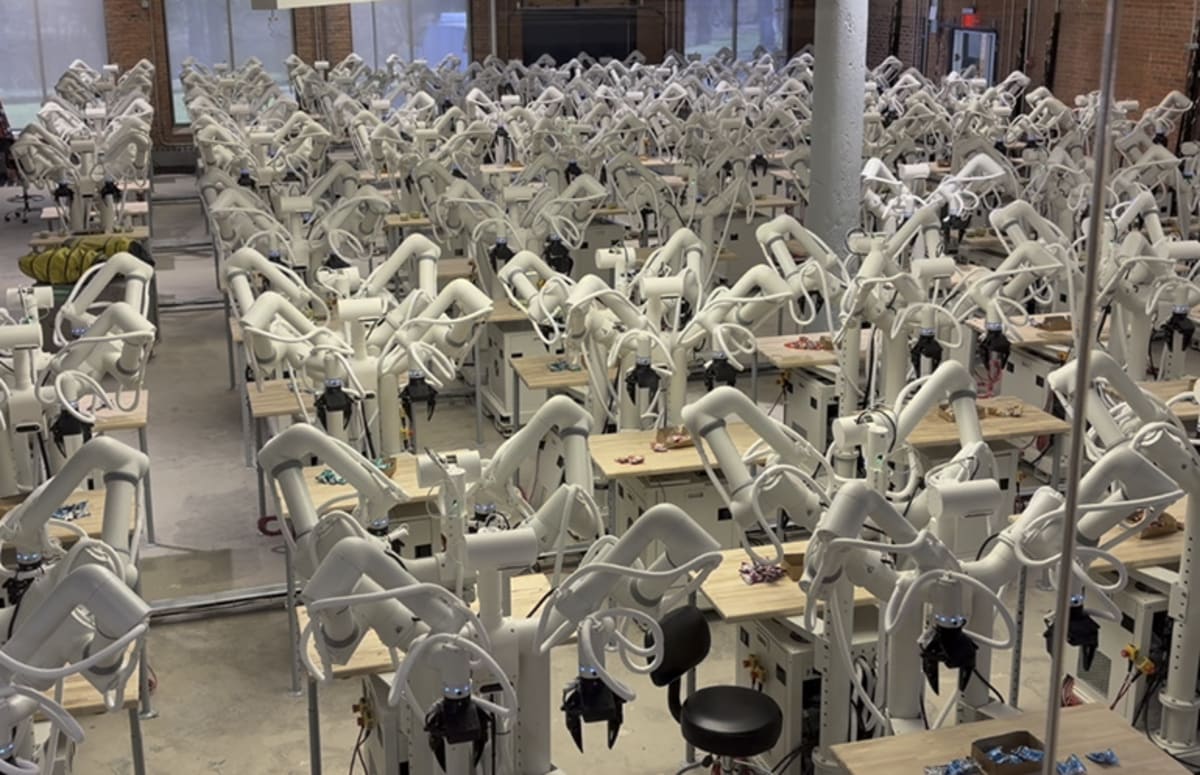
A Massachusetts company built a "robot kindergarten" where 100 two-armed robots learn real-world tasks from human tutors across the globe. The system spots learning problems 100 times faster than traditional training methods.
📺 Watch the full story above
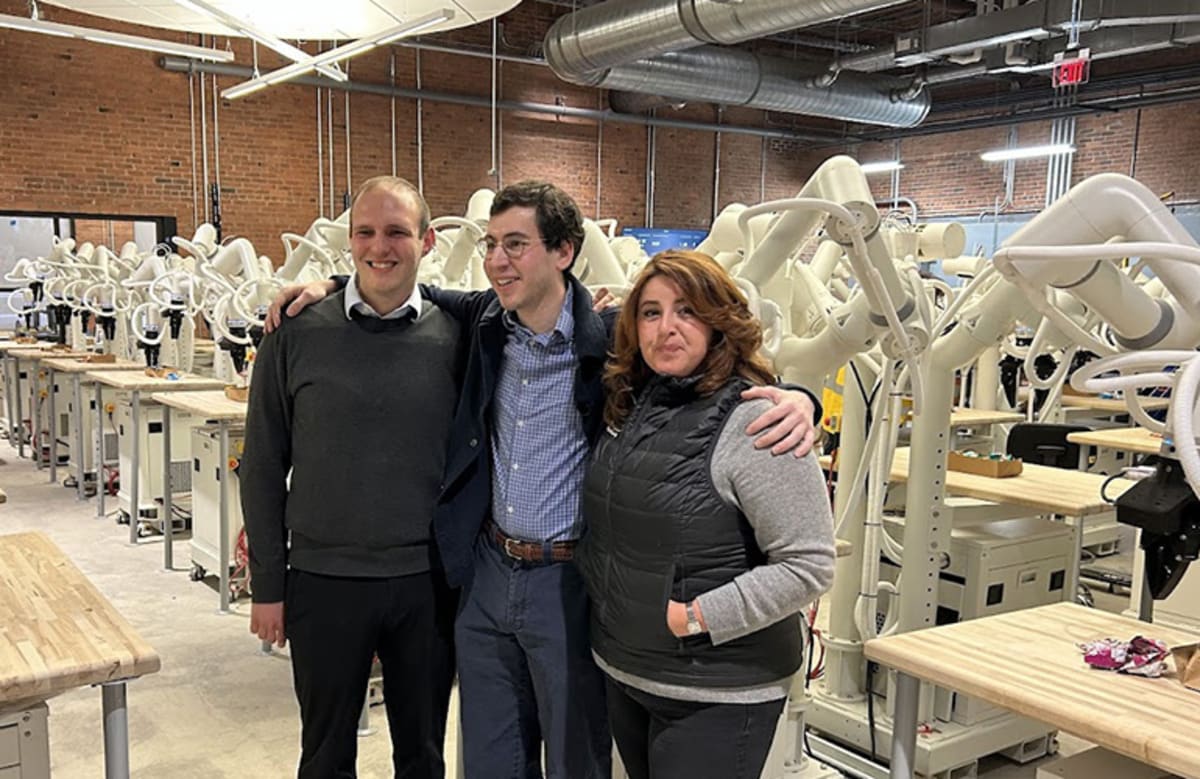
Imagine 100 clumsy robot students learning to pick up sponges and snack bags, guided by dozens of human teachers thousands of miles away. That's exactly what's happening inside a historic mill in Watertown, Massachusetts, where startup Tutor Intelligence just opened the largest robot training facility in the United States.
The company calls it DF1, short for Data Factory, but founder Josh Gruenstein prefers "kindergarten." Just like human children, these 100 Sonny robots started out awkward and uncoordinated. Within weeks, they're already showing real progress at tasks like sorting packages and organizing items.
Here's what makes this approach special. Between 45 and 50 human "tutors" in Mexico and the Philippines remotely guide the robots through tasks, teaching them the way you might show a child how to tie their shoes. The robots share what they learn with each other instantly.
This sharing creates a powerful advantage. When all 100 robots practice the same skill simultaneously, problems that might take eight hours to notice with one robot become visible in just five minutes. It's like having a classroom where every student's mistake helps everyone else learn faster.
Gruenstein, who's been building robots since age nine, saw a major gap in robot development. "Unlike the internet, there's no Wikipedia for robots," he explained. His solution brings together human knowledge and robotic speed to create something neither could achieve alone.
The company raised 34 million dollars in December and already has a commercial product ready. Their single-armed robot Cassie can be installed in two days, handles boxes up to 50 pounds, and moves 14 cases per minute. Companies at the recent MODEX trade show told the team they wanted it "yesterday."
The Ripple Effect
The impact reaches beyond just smarter robots. Tutor Intelligence charges between 14 and 18 dollars per hour for their robot services, competitive with human labor costs but without replacing workers who are increasingly hard to find. The company creates remote jobs for tutors worldwide while solving labor shortages for warehouses and distribution centers.
Amazon Web Services and NVIDIA are supporting the effort through their Physical AI Fellowship program. The partnership provides cloud computing power and technical expertise to help scale the technology safely and responsibly.
The kindergarten approach could transform how robots learn. Instead of programming every single action, robots can learn from watching humans and sharing knowledge across entire fleets. Gruenstein hopes to move from training to real-world customer pilots by year's end.
From clumsy beginners to capable workers in weeks, these robot students prove that sometimes the best way forward combines the oldest teaching method, human mentorship, with cutting-edge technology.
More Images


Based on reporting by The Robot Report
This story was written by BrightWire based on verified news reports.
Spread the positivity!
Share this good news with someone who needs it