Students Build Car That Makes More Energy Than It Uses
Clemson University students created a solar-powered electric vehicle that generates more energy than it consumes during a typical day of urban commuting. Working alongside BMW engineers, they proved that cars can become their own power source.
A team of graduate students just proved that your car could actually charge itself while you're at work.
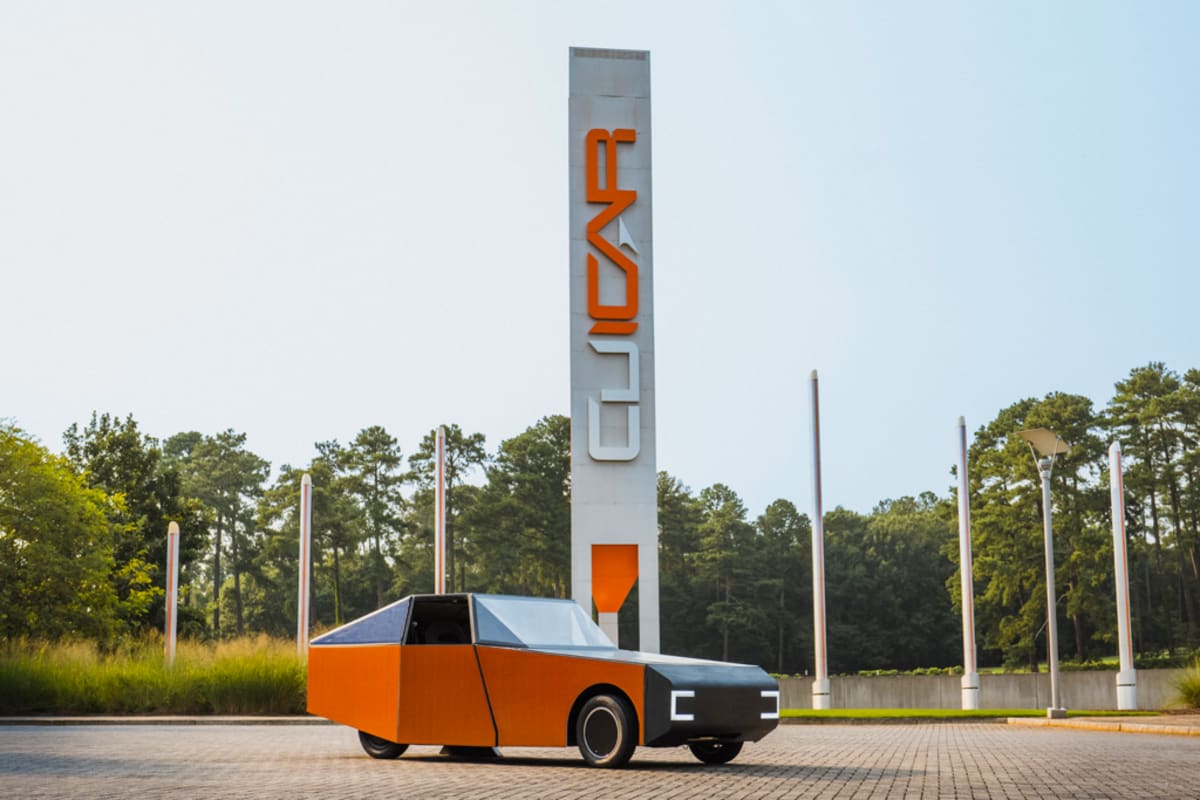
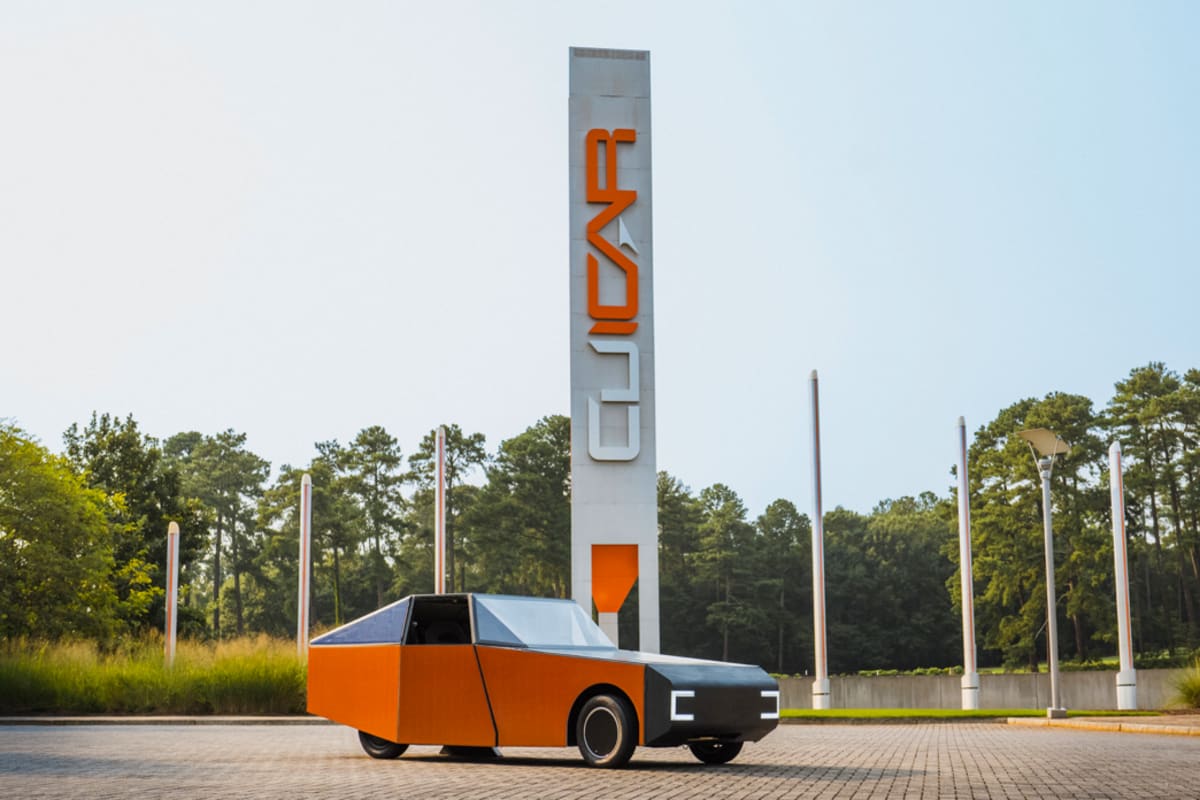
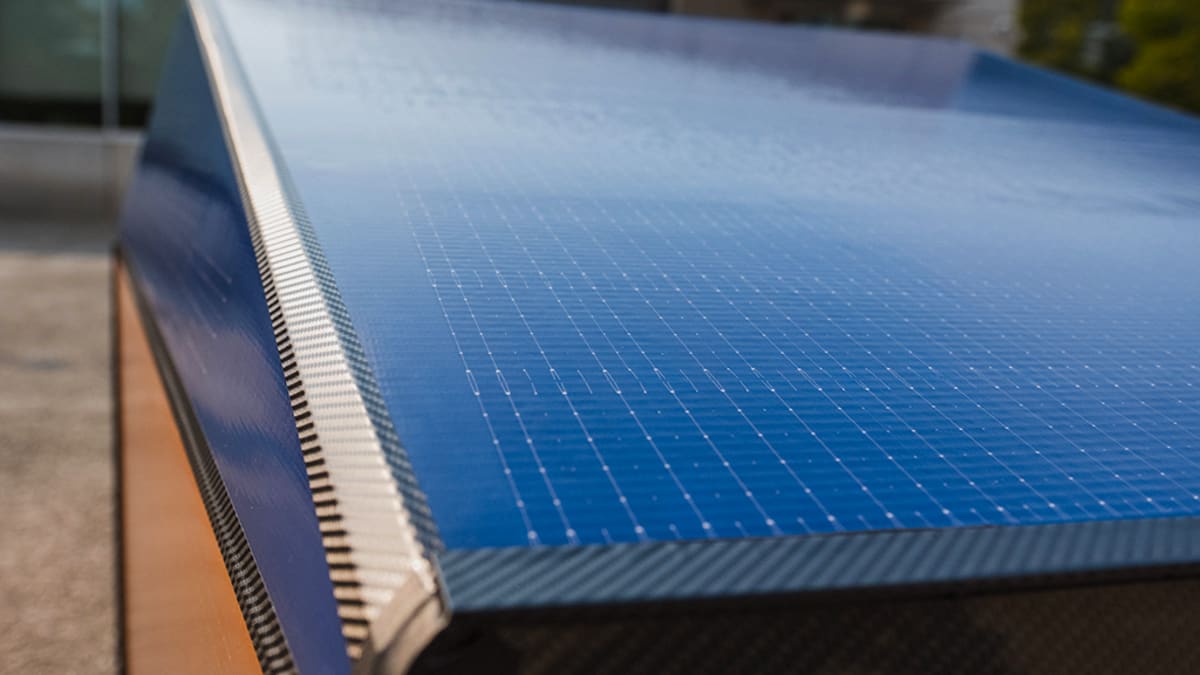
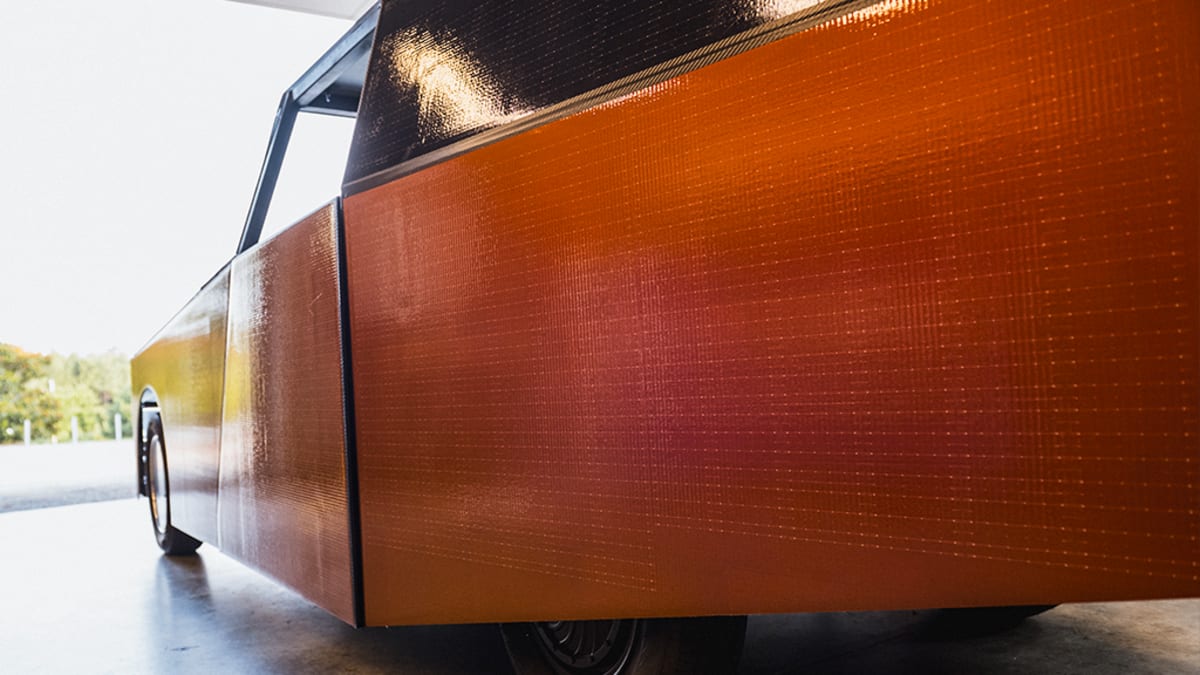
Clemson University unveiled Deep Orange 17, a prototype electric vehicle covered in more than 1,700 solar cells that generates more energy than it uses during everyday driving. The lightweight coupe, developed with BMW's research team, represents a major shift in how we think about electric vehicles and charging.
The students tackled a simple observation: most cars sit parked for hours every day. Instead of viewing that idle time as wasted, they transformed it into an opportunity. The vehicle's entire exterior surface harvests sunlight, continuously replenishing its battery whether parked in a lot or cruising down the road.
The results exceeded expectations. After modeling real-world conditions in cities from South Carolina to Mumbai, students found that Deep Orange 17 generated enough extra solar energy to add 31 miles of driving range per day, assuming a typical 12-mile commute. That surplus energy comes from smart engineering throughout the vehicle.
The team achieved efficiency through radical weight reduction, building a car that weighs just 1,212 pounds—about one-fourth the weight of similar vehicles on the road today. They combined steel for safety with aluminum, carbon fiber, and even 3D-printed metal joints to keep things light without sacrificing strength.
The aerodynamic design draws inspiration from an unexpected source: the boxfish. Students studied how this ocean creature moves efficiently through water and applied those principles to reduce drag while maintaining interior space. Retro-modern styling makes the vehicle, named Luminetta, as visually appealing as it is functional.
The Ripple Effect
This breakthrough goes beyond a single prototype. The project demonstrates that solar integration can reduce our dependence on charging infrastructure, making electric vehicles more practical for people who can't easily install home chargers. Cities with abundant sunshine could see the greatest benefits.
BMW's Stephan Augustin called it "a project we've wanted to pursue for years," noting how remarkable it was to see students overcome complex technical challenges. The students worked with Germany's Fraunhofer Institute for Solar Energy Systems to develop panels that keep generating power even when partially shaded, protected by a durable colored film created through advanced laser manufacturing.
The Deep Orange program itself offers a model for engineering education. Graduate students don't just design on computers—they conduct market research, engineer major systems, manufacture components, and build fully functional prototypes alongside industry partners. They gain real-world experience that traditional classrooms can't provide.
Deep Orange 17 proves that energy-positive driving isn't science fiction—it's engineering reality waiting to reach our roads.
More Images
Based on reporting by Google News - Electric Vehicle
This story was written by BrightWire based on verified news reports.
Spread the positivity!
Share this good news with someone who needs it