Students Build Solar Ambulance for Off-Grid Communities
Dutch university students created the world's first solar-powered ambulance that brings medical care to remote areas without reliable electricity. The vehicle can travel 444 miles on sunshine alone while powering life-saving medical equipment.
Imagine needing medical care but living hours from the nearest hospital, with no guarantee of electricity when you arrive. Twenty-three students at Eindhoven University of Technology in the Netherlands just solved that problem with a vehicle that turns sunlight into healthcare.
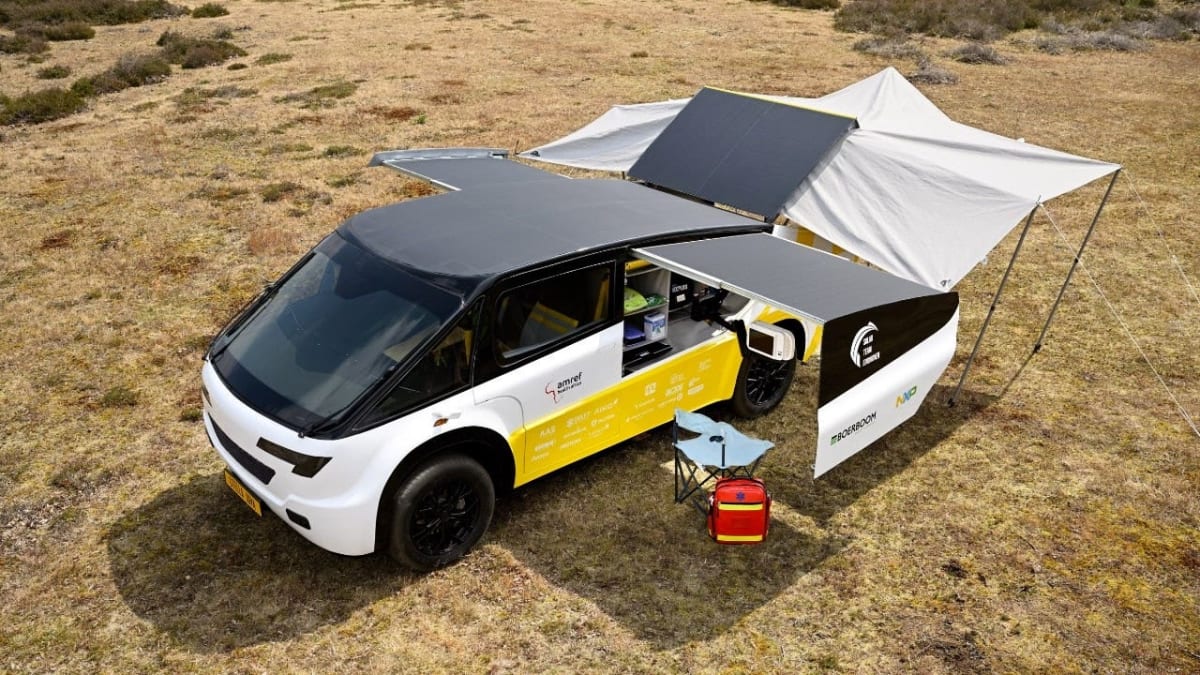
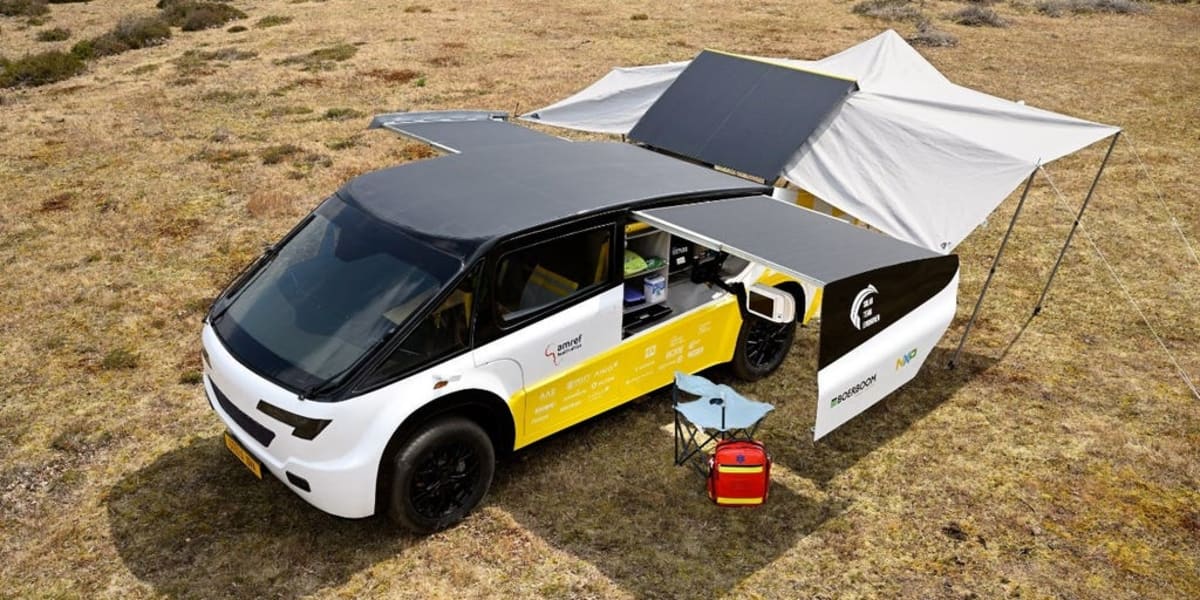
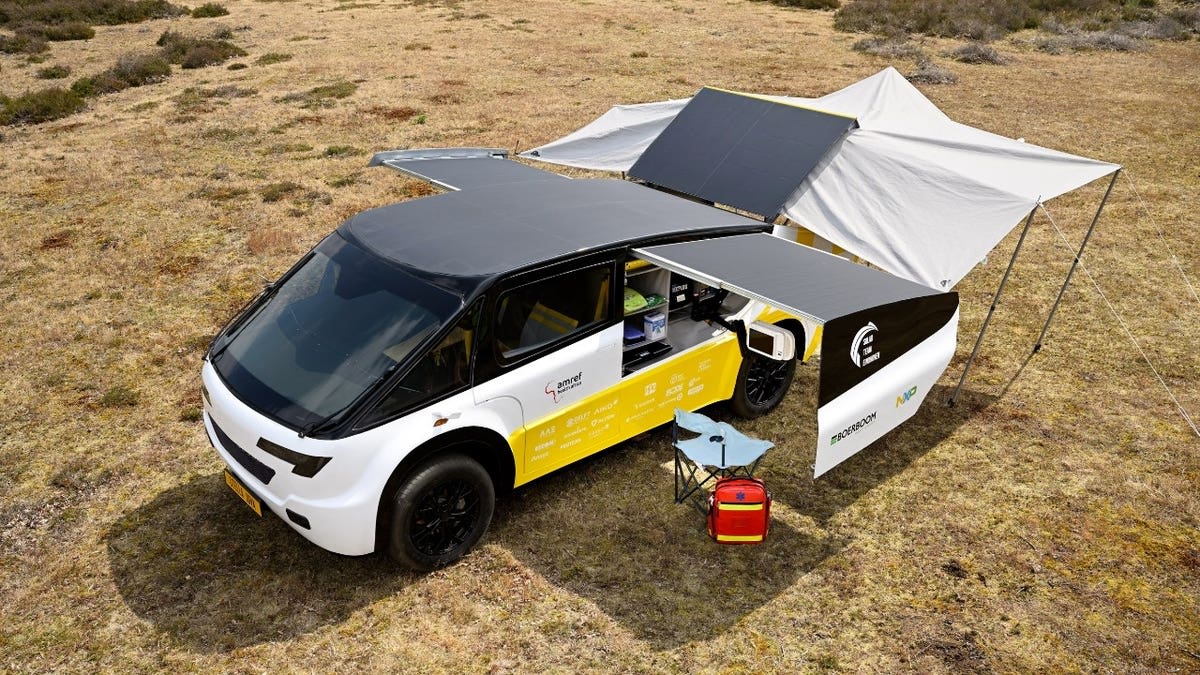
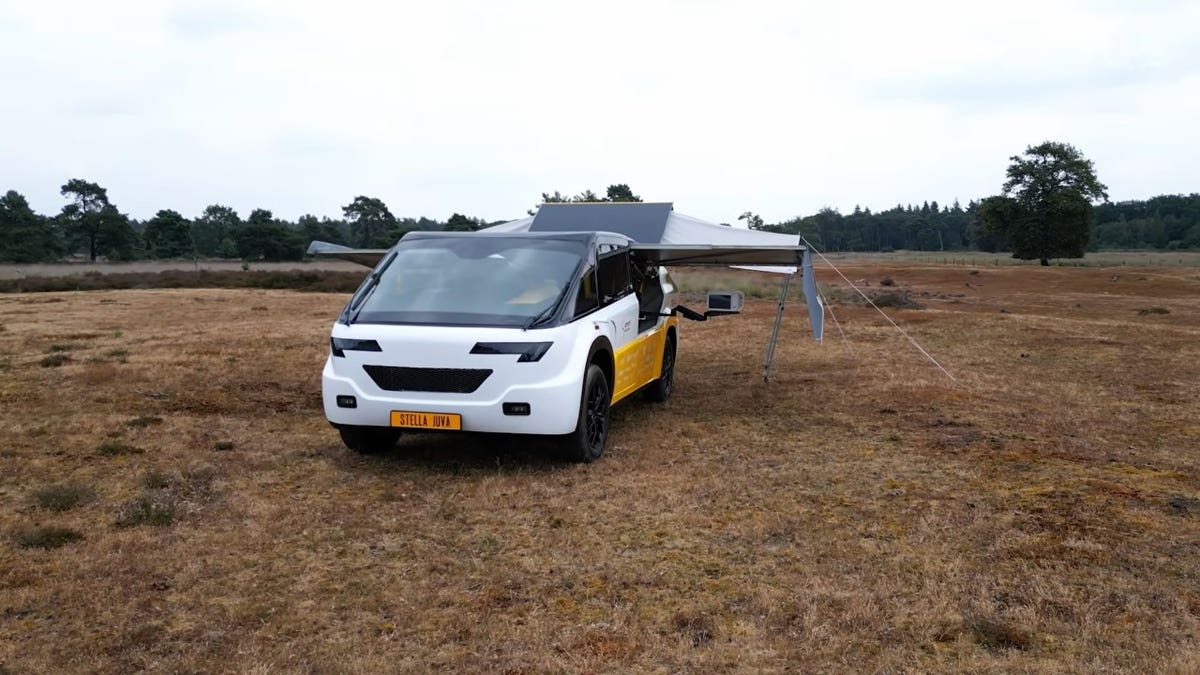
Their creation, Stella Juva, is the world's first solar-powered ambulance. Unlike traditional ambulances that rush patients to hospitals, this one brings the hospital to them.
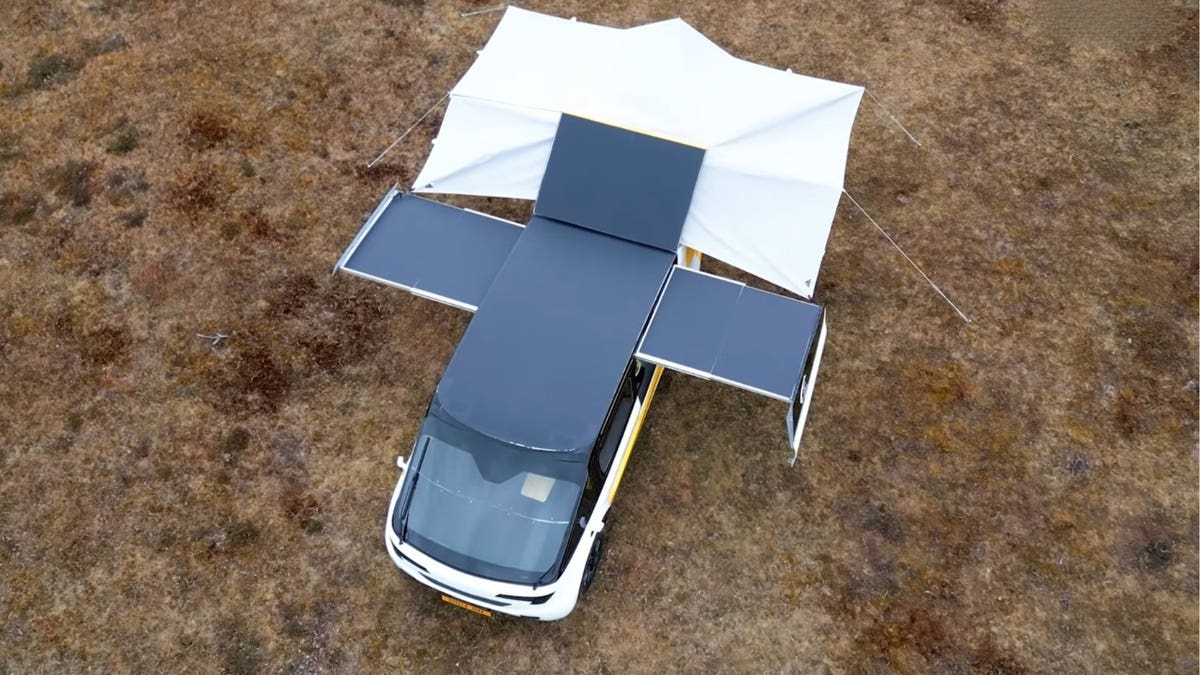
The solar cells covering its roof generate enough electricity to drive the vehicle and power medical equipment. That matters enormously in places where fuel is scarce and reliable electricity is a luxury. According to the World Health Organization, about 1 billion people worldwide depend on healthcare facilities with unreliable or no electricity at all.
Stella Juva changes that equation completely. Healthcare workers can drive into underserved communities and provide care without worrying about finding fuel or charging stations.
The vehicle's roof uses special solar cells with All Back Contact technology. Traditional solar panels waste some surface area on electrical contacts, but this design moves those contacts to the back, capturing more sunlight. That extra efficiency matters when roof space is limited.
On a sunny day, Stella Juva can travel up to 444 miles. Its top speed reaches 75 mph, fast enough to navigate challenging terrain while carrying medical supplies and equipment.
The students built something even smarter into the electrical system. If the battery runs critically low, the vehicle automatically prioritizes power for medical equipment over driving range. Losing power mid-journey would be inconvenient, but losing power during patient care could be deadly.
Keeping the ambulance light enough to maximize solar efficiency presented another challenge. The team used carbon-fiber materials for the body and chassis, bringing the total weight to just 3,000 pounds. A conventional ambulance can weigh thousands of pounds more.
The Ripple Effect
Stella Juva represents more than clever engineering. It reimagines how healthcare reaches people in the most isolated corners of our world. When technology meets a solar-powered vehicle with genuine human purpose, communities that have been underserved for generations suddenly gain access to care that was previously impossible.
The students proved that sometimes the best way to solve a healthcare access problem isn't building more hospitals. Sometimes it's putting the hospital on wheels and letting the sun power the journey.
More Images
Based on reporting by Fox News Tech
This story was written by BrightWire based on verified news reports.
Spread the positivity!
Share this good news with someone who needs it