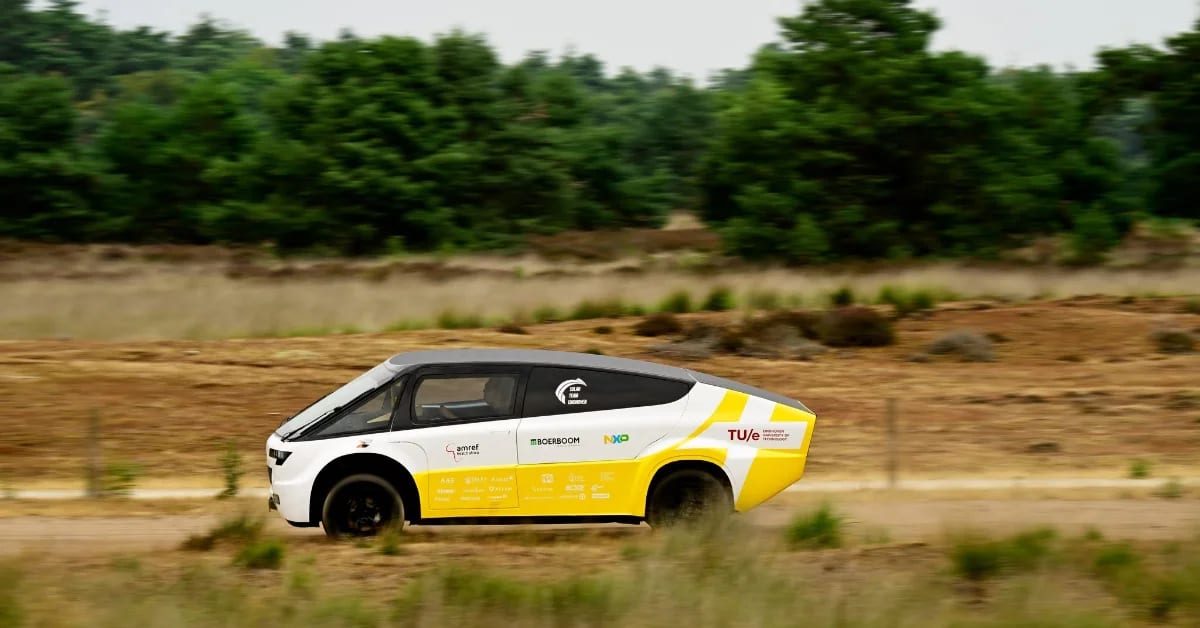
Students Build World's First Solar Ambulance for Remote Care
A team of 23 Dutch university students created a fully solar-powered ambulance that brings medical care to remote regions without needing fuel or electricity. The vehicle is already headed to Kenya for real-world testing.
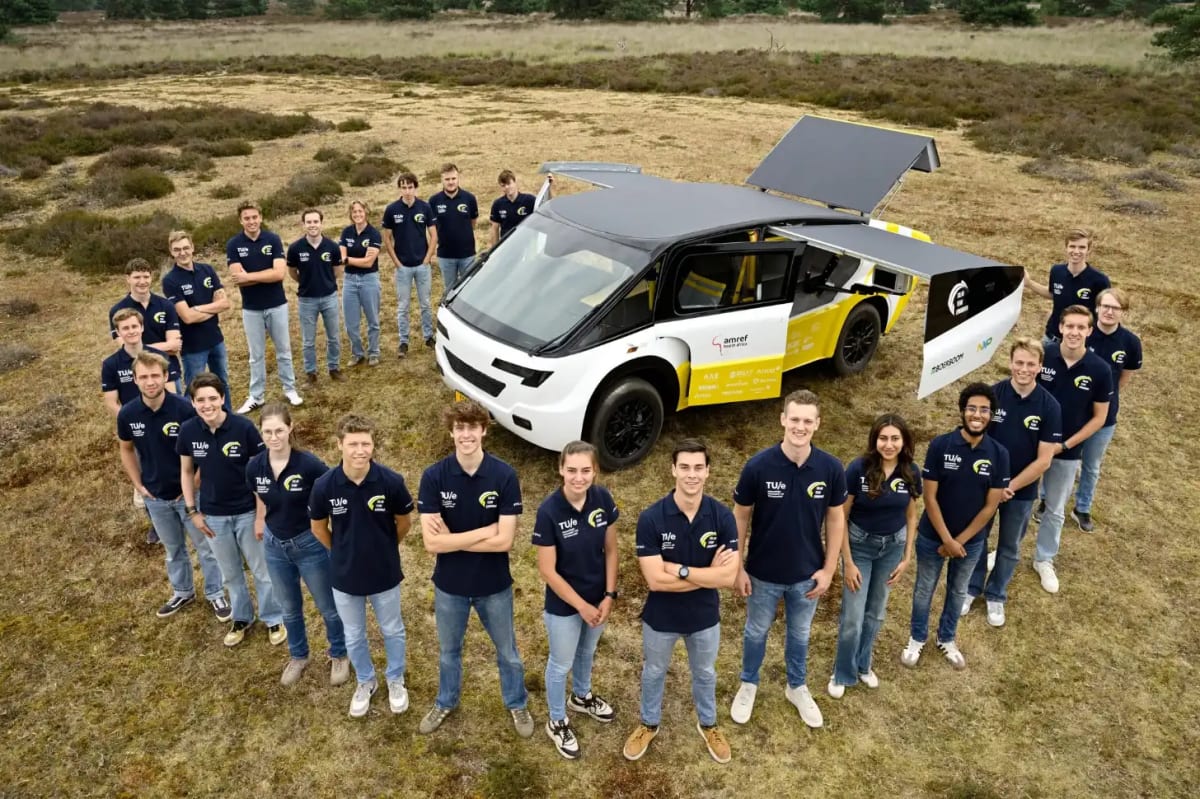
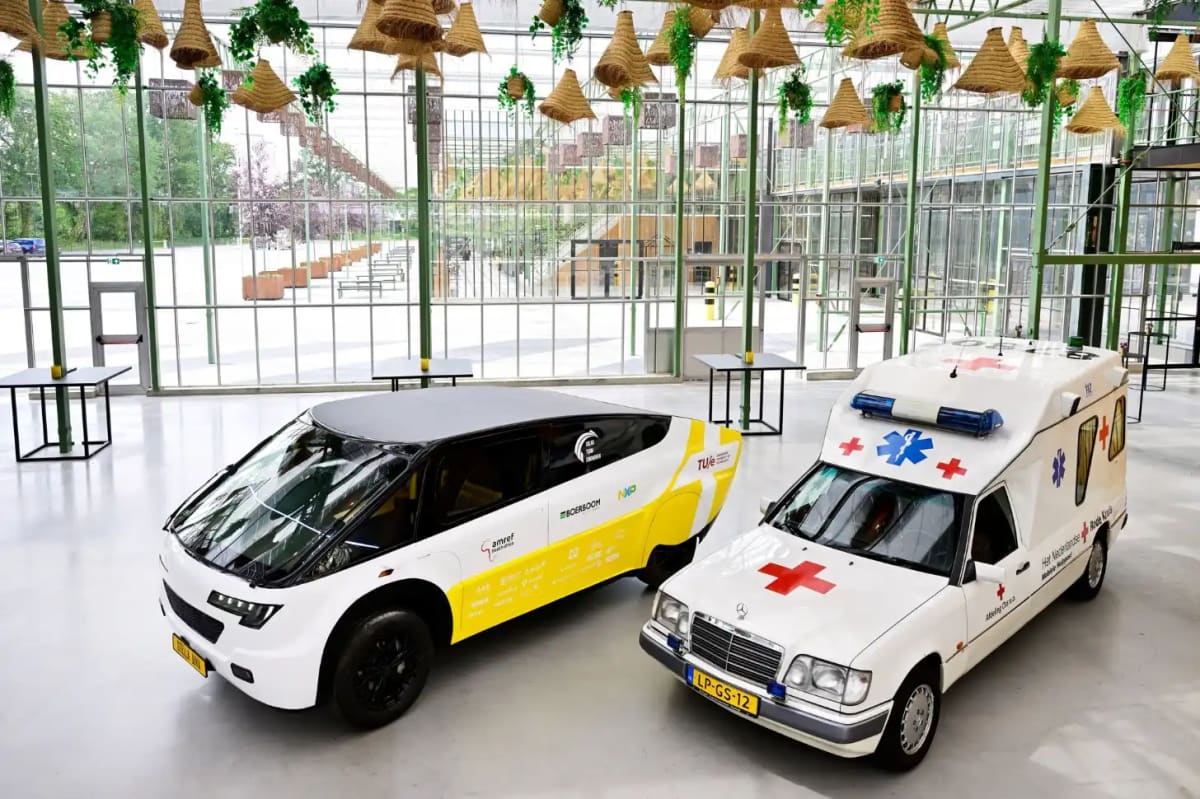
Imagine getting life-saving medical care miles from the nearest hospital, powered entirely by sunshine. That's exactly what 23 students from Eindhoven University of Technology made possible with the world's first solar-powered ambulance.
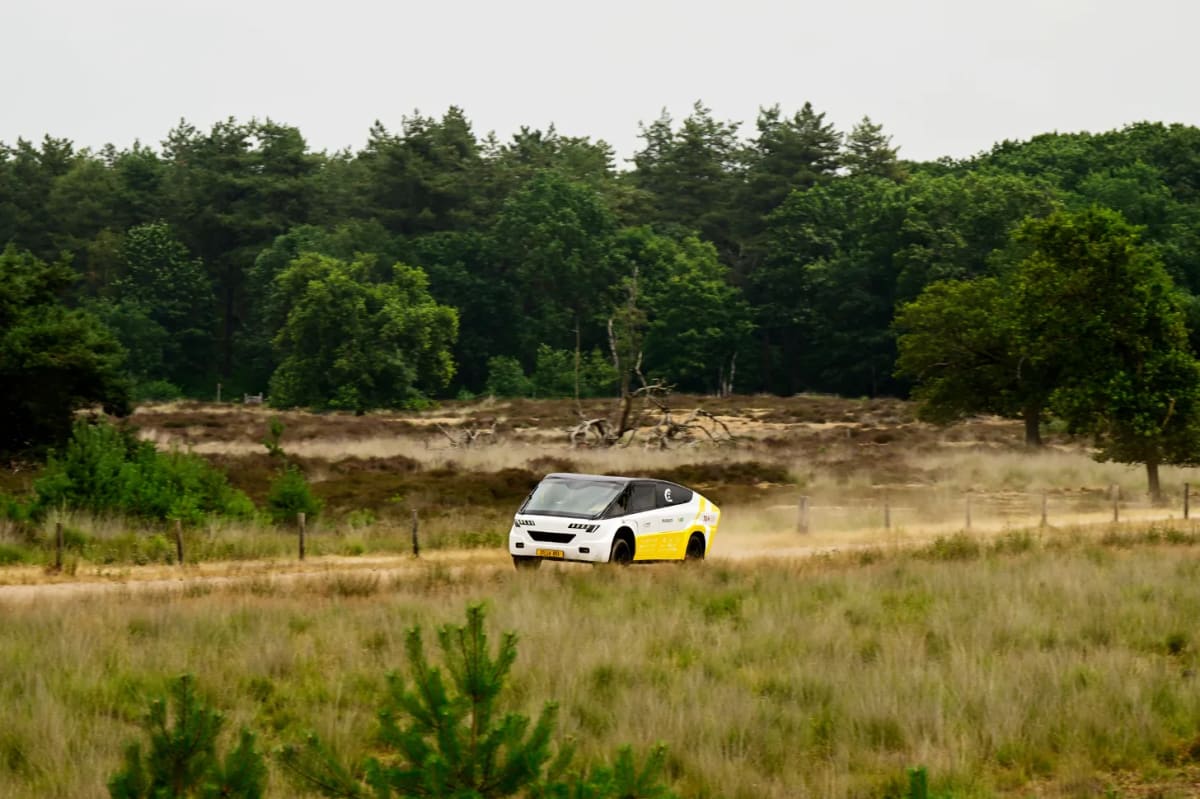
The vehicle, called Stella Juva, generates all its energy through rooftop solar panels. Those panels power both the ambulance itself and the medical equipment inside, including X-ray machines, defibrillators, and ultrasound devices.
The student team designed Stella Juva with remote communities in mind, particularly in regions where electricity and fuel are scarce. On a sunny day, it can travel up to 445 miles at speeds reaching 75 miles per hour.
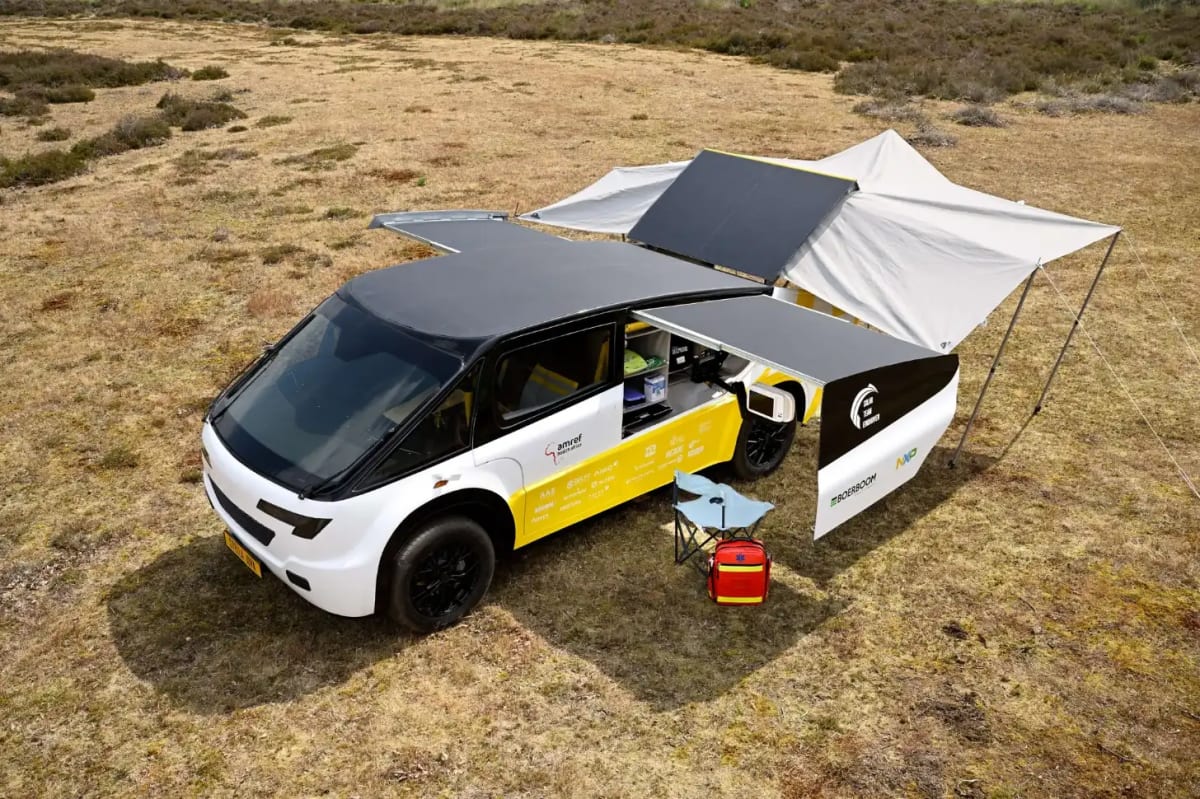
But this isn't just a regular ambulance. When parked, medical staff can pull out a tent and folding chairs to create an instant outdoor clinic. The vehicle carries tuberculosis testing kits, refrigerated vaccine storage, and equipment for prenatal care.
"For millions of people, good healthcare remains out of reach," said Femke Maurits from Amref Health Africa, a partner on the project. "Access to care shouldn't depend on whether there's access to electricity or fuel."
The students drew inspiration from the United Nations' Sustainable Development Goals, which aim to make healthcare accessible to everyone. Team manager Mathijs van Gergen, just 21 years old, saw an opportunity to combine sustainability with social impact.
In remote African regions, healthcare workers sometimes travel massive distances by bicycle to reach patients. Reliable energy sources are often nonexistent, making it nearly impossible to operate essential medical equipment.
The Ripple Effect
Stella Juva is already making the jump from classroom to real world. The team is taking the ambulance to Kenya to test it in actual remote healthcare scenarios, simulating treatments for tuberculosis patients and other conditions across hundreds of kilometers.
The project proves what's possible when young innovators tackle urgent problems. "If 23 students can achieve this in a single year, it shows what's possible when the technological industry and social organizations work together," said Yarno Basten, the team's partnerships manager.
The students collaborated with international health organizations like Amref Health Africa, which has spent nearly 70 years working to improve healthcare access across the continent. Their input helped ensure Stella Juva meets real needs rather than just theoretical ones.
While the future of the project after testing remains uncertain, the team's goal is clear: inspire healthcare providers and companies to create social impact through technology. They want to show that sustainable, accessible healthcare isn't just a dream but an achievable reality.
Twenty-three students just rewrote what's possible for millions living beyond the reach of traditional medical care.
More Images
Based on reporting by Good Good Good
This story was written by BrightWire based on verified news reports.
Spread the positivity!
Share this good news with someone who needs it