Study of 88,000 US Forests Proves Diversity Shields Trees
Nature holds an incredible secret weapon against extreme weather when diverse trees stand together. A landmark study of 88,000 forest plots shows that species variety actively shields woodlands from heat and drought while speeding up their recovery.
Nature holds a quiet genius that constantly reminds us how interconnected life truly is. When trees grow alongside different species, they unlock a hidden resilience that helps entire woodlands thrive against the odds.
A groundbreaking study published in Nature Communications brings wonderful news for the future of our planet's green canopies. Researchers analyzed over three decades of government records spanning 88,116 wild forest plots across the continental United States.
Lead author Xuetao Qiao and his team wanted to discover how natural woodlands fare during compound climate stresses. They specifically investigated what happens when intense summer heat strikes at the exact same moment as deep drought.
To measure forest vitality from space, scientists examined satellite imagery tracking the greenness of each canopy. Because thriving trees stay vibrant and photosynthesize actively, this data provided a clear window into how trees handle seasonal stress.
The results offer immense hope for environmental stewards. Woodlands packed with a rich variety of tree species maintained their strength far better than forests dominated by only one or two varieties.
Even more inspiring, these biodiverse plots bounced back with remarkable speed once normal weather returned. The study revealed that diversity acts as a natural insurance policy, shielding the entire ecosystem during harsh conditions.
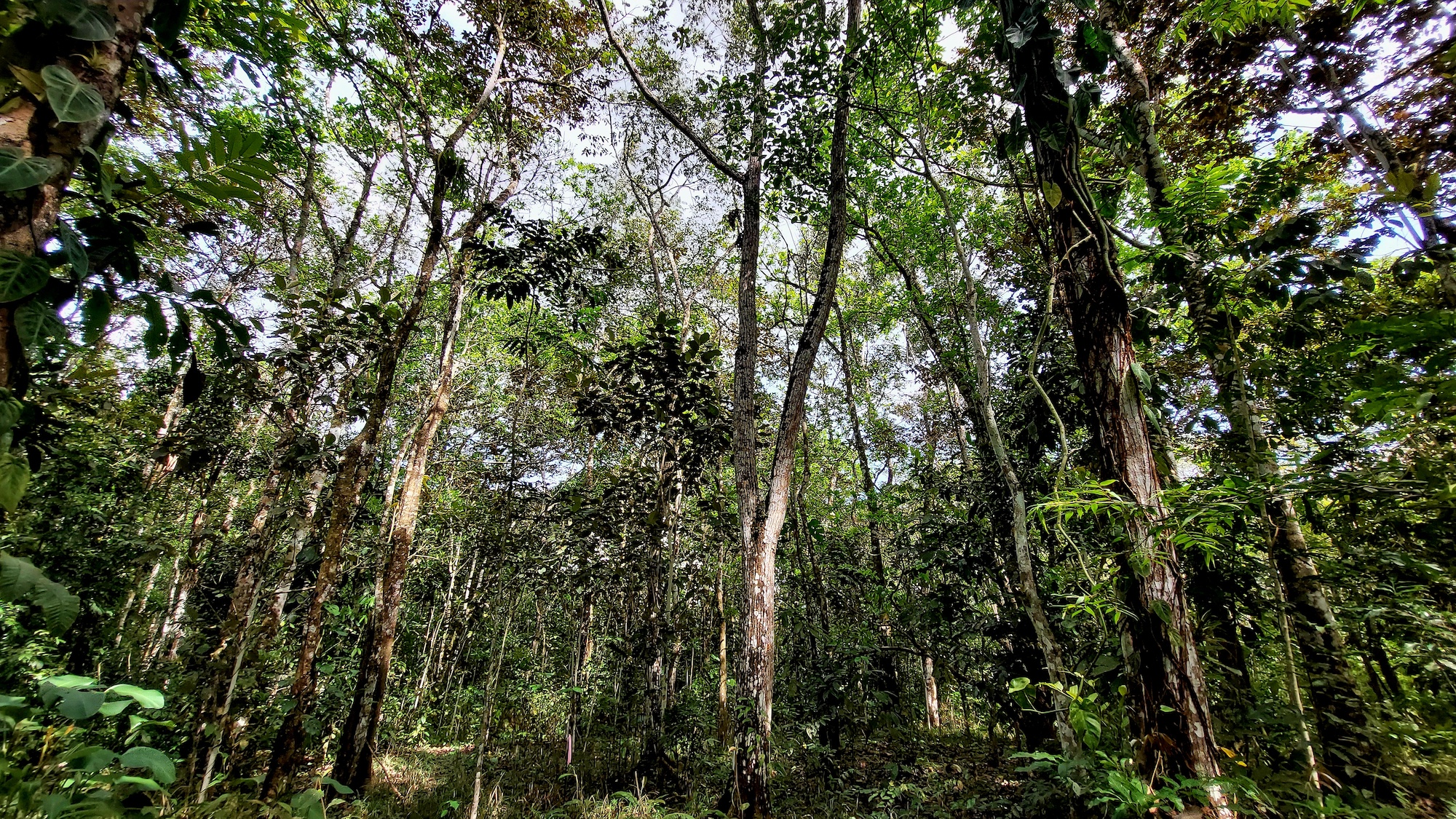
Different tree species drink water at varying soil depths and cast shade at different heights. This cooperative structure prevents them from exhausting the same underground moisture, keeping the shared soil cooler and damper.
Forestry experts across the globe are already welcoming this massive validation of natural wisdom. While scientists had previously observed diversity benefits in small experimental gardens, this study proves the principle across millions of acres of wild land.
The Ripple Effect
These findings give forest managers a practical, cost-effective blueprint to build long-term climate resilience. By prioritizing mixed native plantings over single-species plantations, land stewards can actively fortify public parks and watersheds against shifting weather patterns.
Every diverse woodland planted today also secures richer wildlife habitats, sturdier soil, and cleaner air for surrounding communities. When people nurture natural variety, whole landscapes gain the strength to weather tough times together.
When we embrace nature's collaborative design, we empower our forests to flourish and protect our shared world for generations to come.
More Images
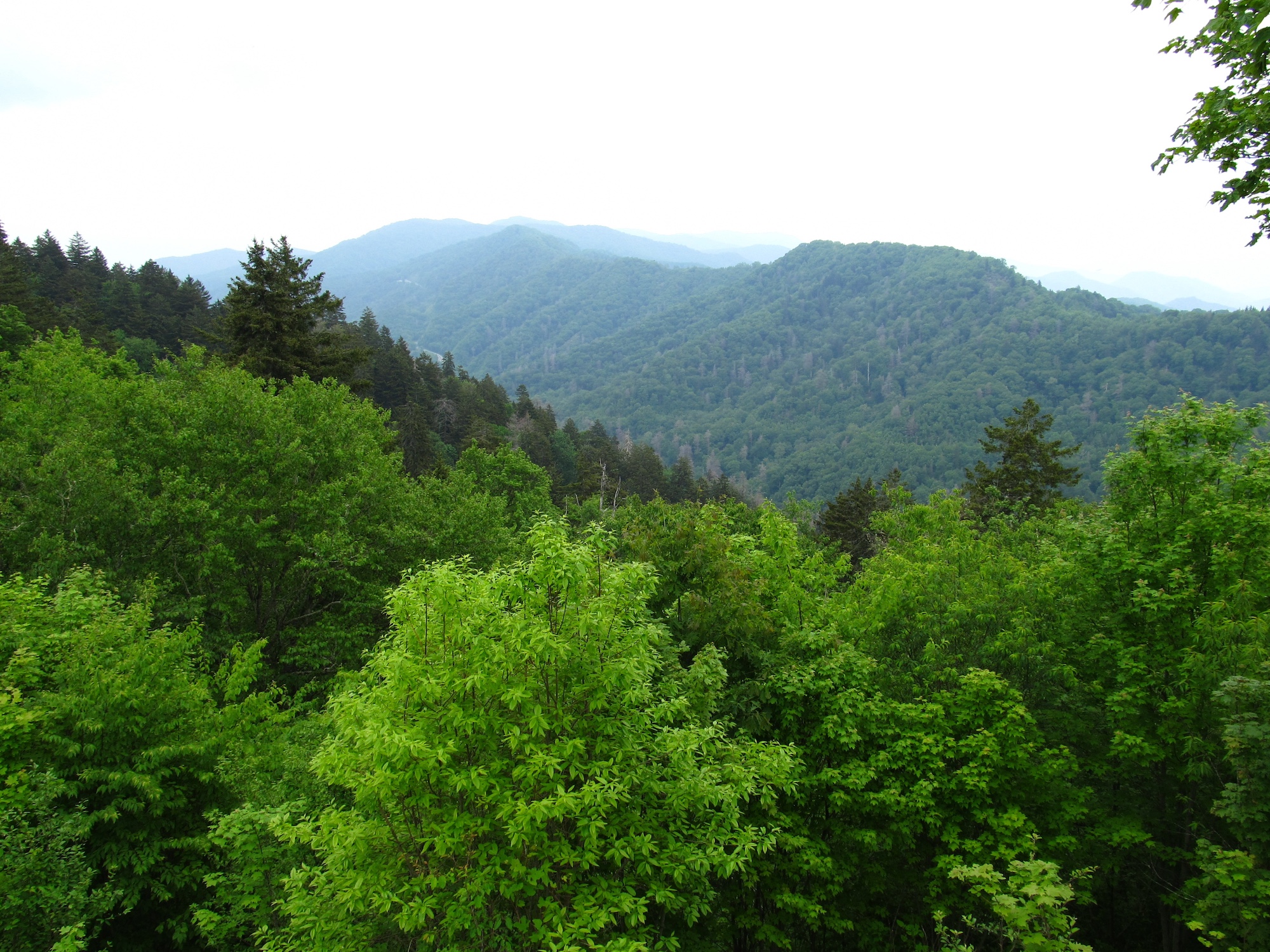
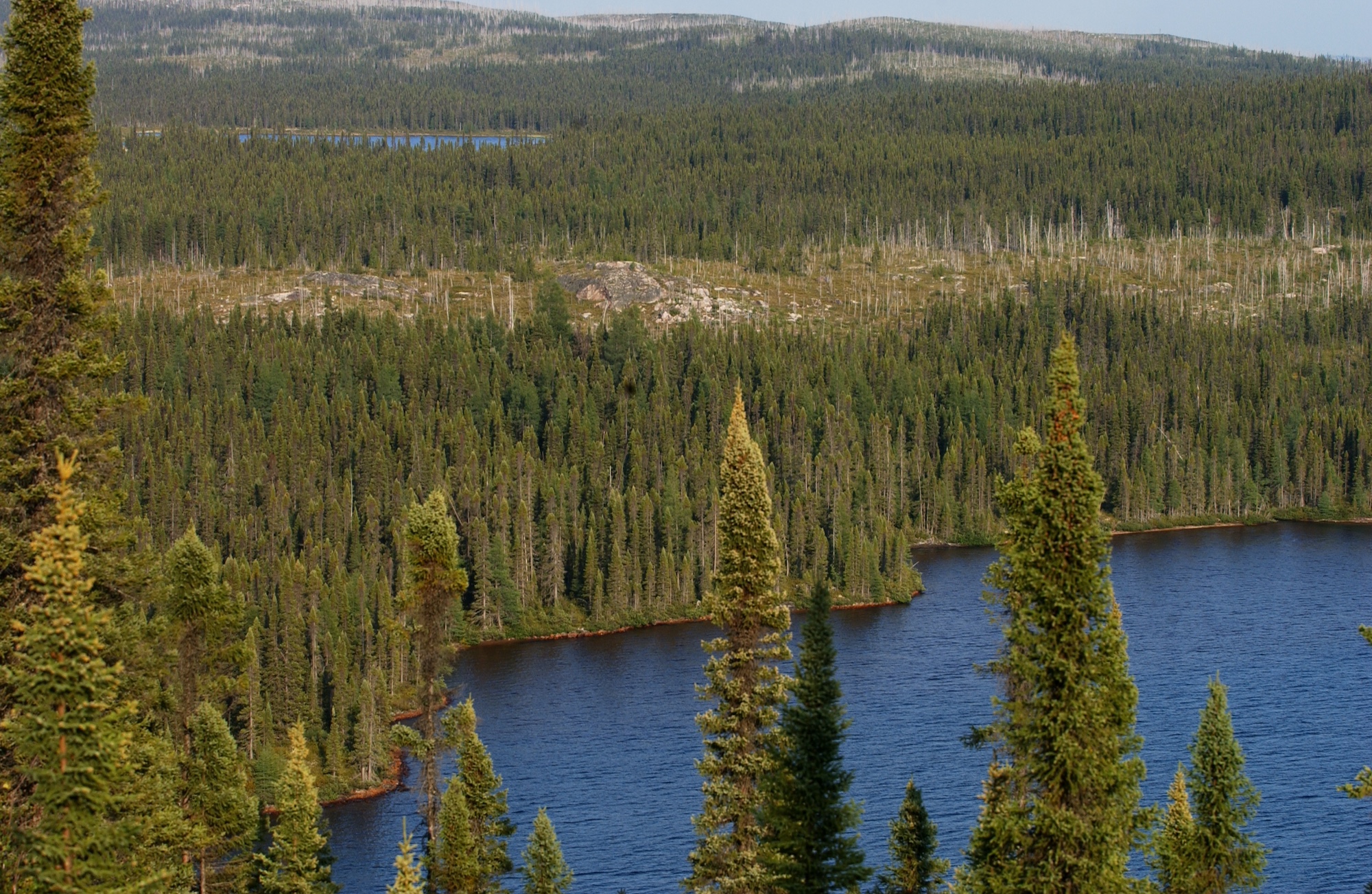
Based on reporting by Mongabay
Play Today’s BrightWire Positive Mini Crossword & Word Game
Keep your mind sharp with our free 5-minute uplifting daily crossword and positivity word puzzle.
Spread the positivity!
Share this good news with someone who needs it