Sun-Powered Tech Cleans Contaminated Water in Nepal
Scientists are adapting self-cleaning period pad technology to purify household water in rural Nepal, where up to 70% of sources contain harmful bacteria. The solar-powered solution needs no electricity or chemicals, just sunlight.
Rural communities in Nepal are getting a game-changing solution to their contaminated water crisis, thanks to technology originally designed for menstrual hygiene products.
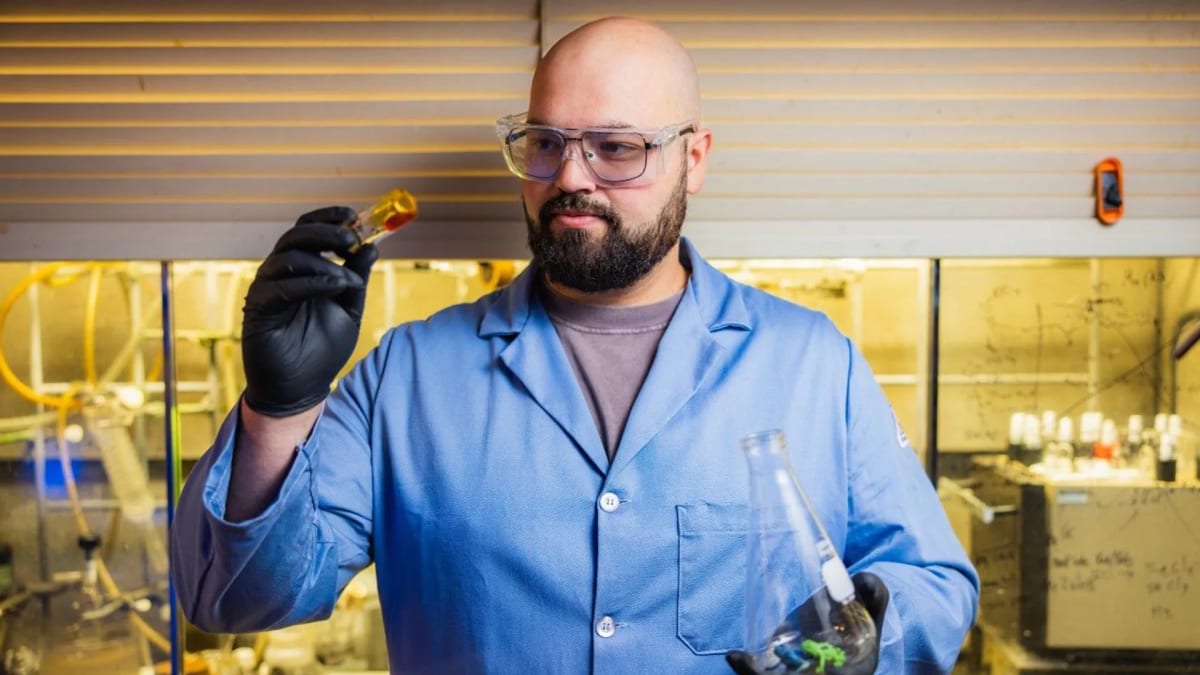
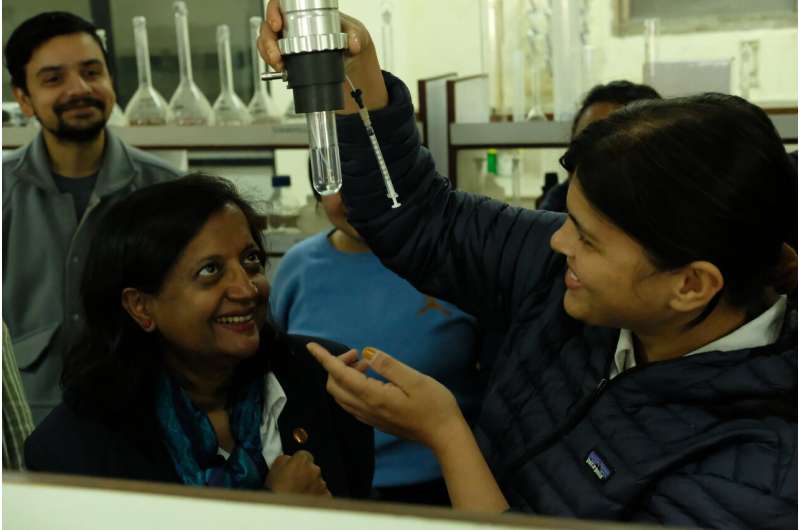
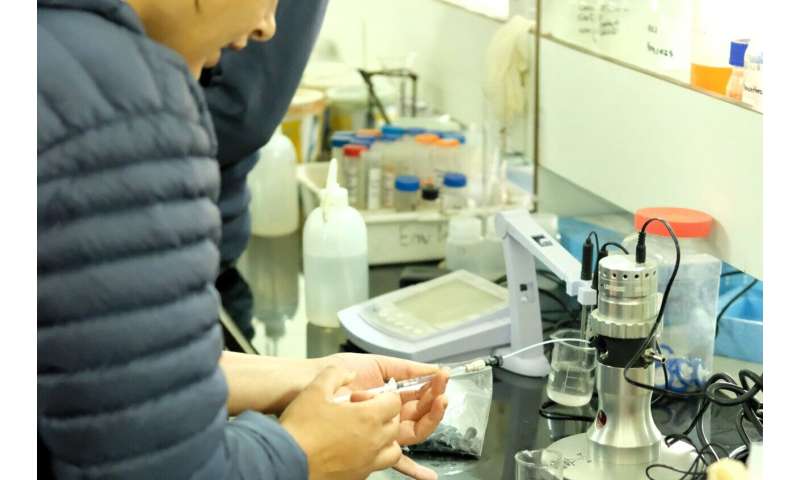
Scientists from Cardiff University and Nepal's Academy of Science and Technology are adapting the SunPad, a self-cleaning period product that kills 99.99% of bacteria using sunlight. The innovation uses non-toxic metal catalysts that can be installed directly in household water storage tanks, cleaning contaminated supplies without electricity or chemical treatments.
The timing couldn't be more critical. Up to 70% of water sources in areas like the Kathmandu Valley are contaminated with dangerous waterborne pathogens, causing diseases like diarrhea and dysentery throughout rural Nepal. In some southern regions, arsenic levels exceed safe limits by 50 times.
Dr. Jennifer Edwards from Cardiff University explains the beauty of the system's simplicity. The catalysts can be made from readily available, low-cost chemicals without advanced equipment, making them easy to produce locally in Nepal. Once installed, they work continuously, powered only by the sun.
The reusable technology offers another crucial advantage for Nepal. During monsoon seasons, earthquakes, and landslides that disrupt supply chains, communities won't lose access to clean water because the system doesn't depend on continuous supplies of chemicals or energy.
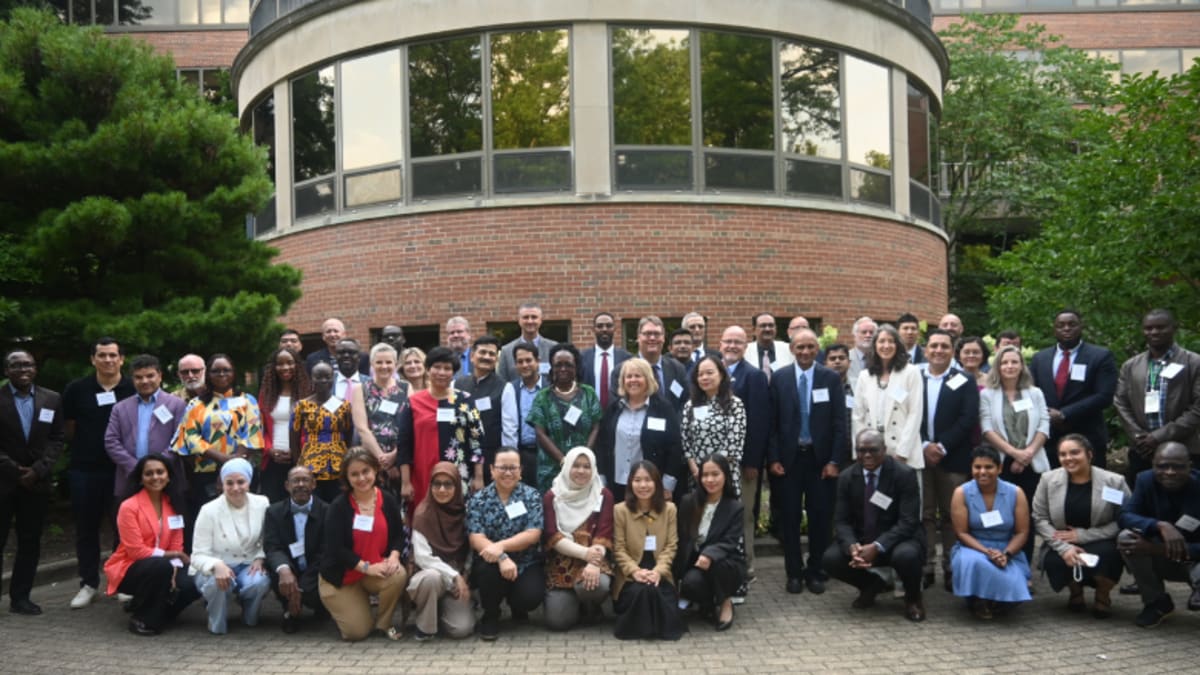
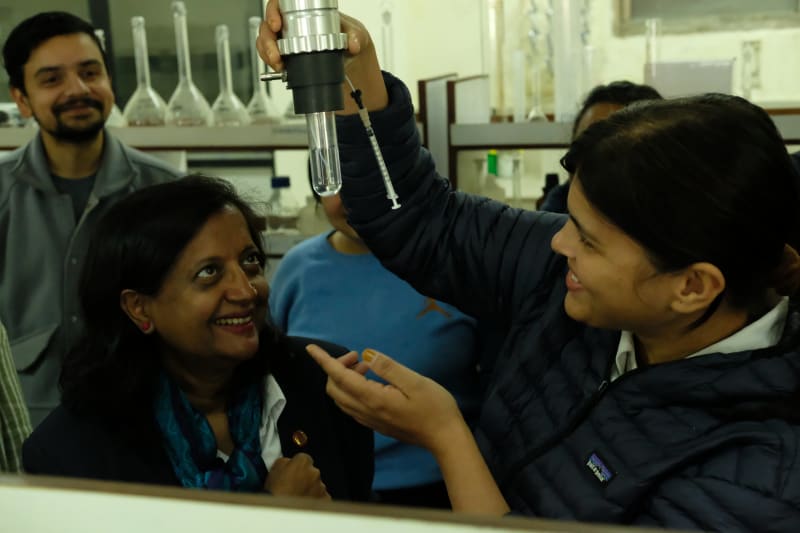
The collaboration began at a water workshop in Kathmandu in February 2024, where local scientists identified solar disinfection as a practical fit for existing Nepali practices. Since then, researchers from Nepal spent a summer in Cardiff advancing the technology, and the Cardiff team has donated specialized equipment to ensure both labs can produce comparable results.
The Ripple Effect
Dr. Tista Prasai Joshi from Nepal's Academy of Science and Technology sees this partnership as building on existing progress. Water quality improvements in Nepal have already helped reduce mortality and disease rates, and this collaboration could accelerate those gains across rural areas where clean water remains scarce.
The institutions are formalizing their partnership to submit joint funding applications, ensuring the research reflects priorities from both countries. What started as innovation in women's health products is now positioned to transform water safety for thousands of Nepali families.
Safe water isn't just about health, it's about giving communities the foundation they need to thrive, and this sun-powered solution is proving that simple, sustainable technology can solve complex global challenges.
More Images

Based on reporting by Phys.org - Earth
This story was written by BrightWire based on verified news reports.
Spread the positivity!
Share this good news with someone who needs it