Sunshine Coast Queer Clubs Fill Gap in Regional Queensland
When LGBTQIA+ residents on Australia's Sunshine Coast couldn't find safe spaces to gather, they built their own thriving social and sporting clubs. The grassroots movement shows how communities can create belonging when traditional venues don't exist.
With no permanent LGBTQIA+ venue in their region, queer residents on Queensland's Sunshine Coast decided to create their own spaces instead of waiting for someone else to do it.
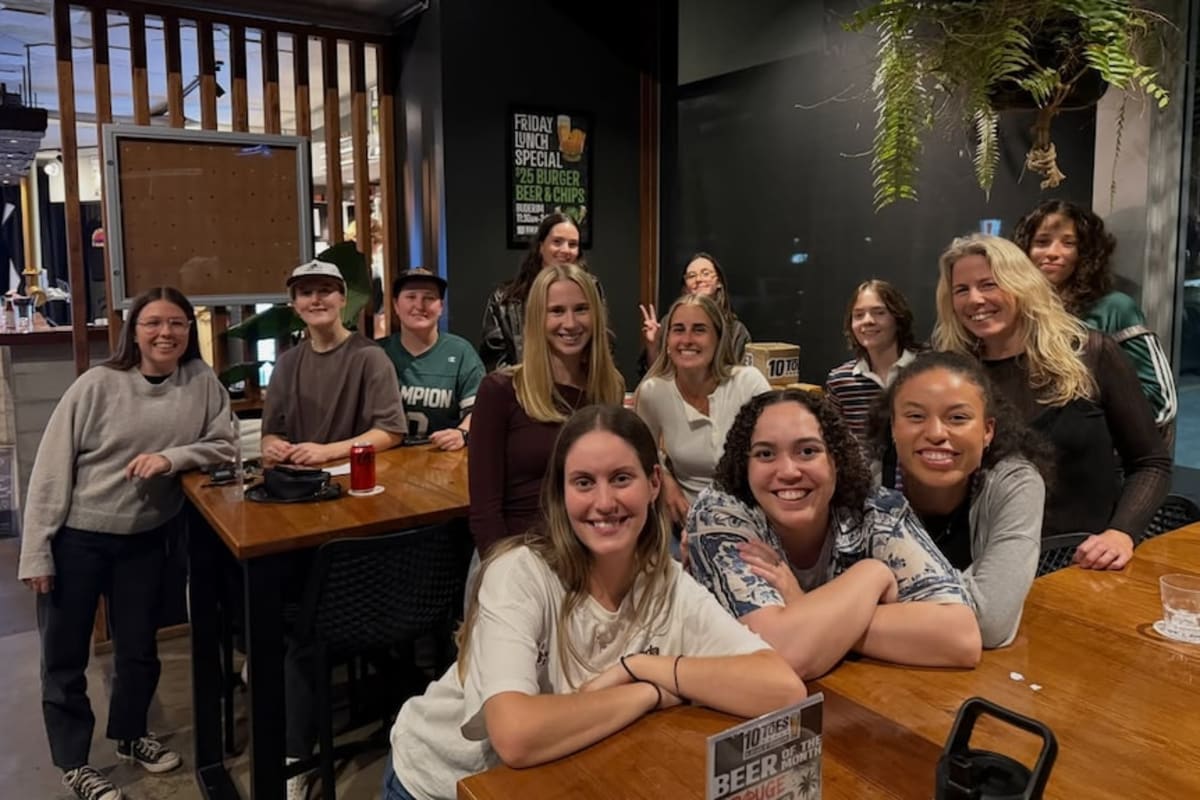
Alison Nolan heard the same story from every LGBTQIA+ person she met: nowhere to go, no events, and no spaces designed for queer connection. So she and co-founder Lucy Upston launched the Lesbian Social Club, hosting trivia nights, picnics, and game nights for queer women and gender-diverse people.
"Having a place where you can show up and be your true authentic self without hesitation and without having to explain is something that is so important," Nolan said. Attendance keeps growing at each event.
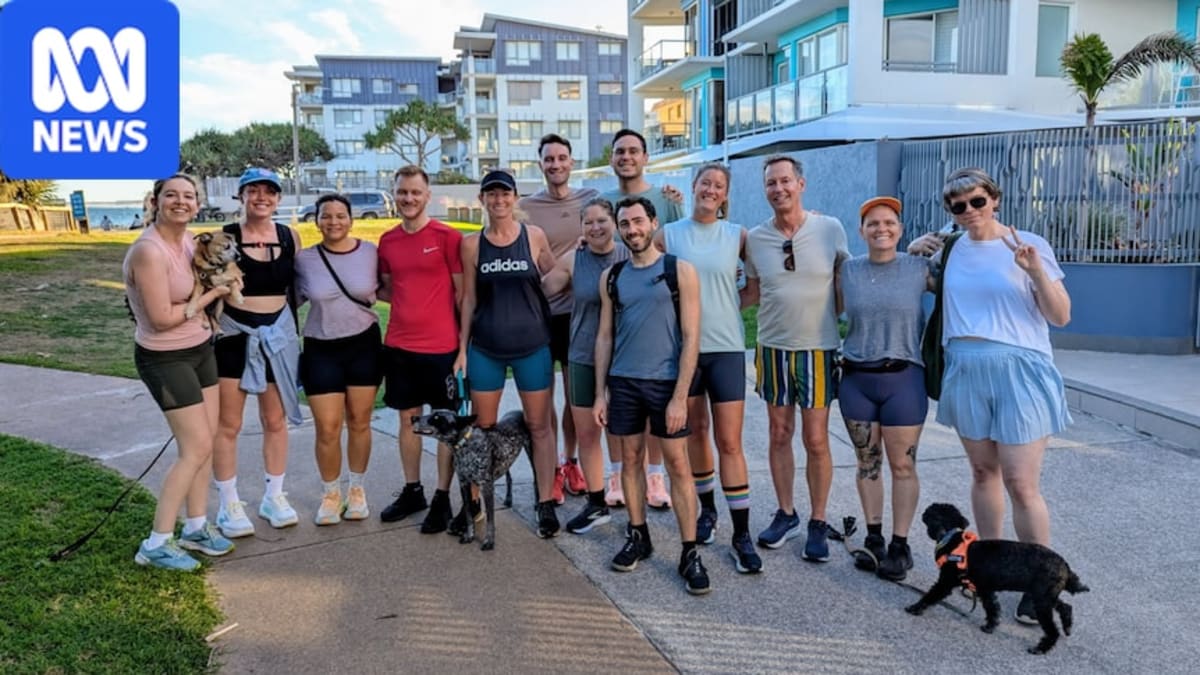
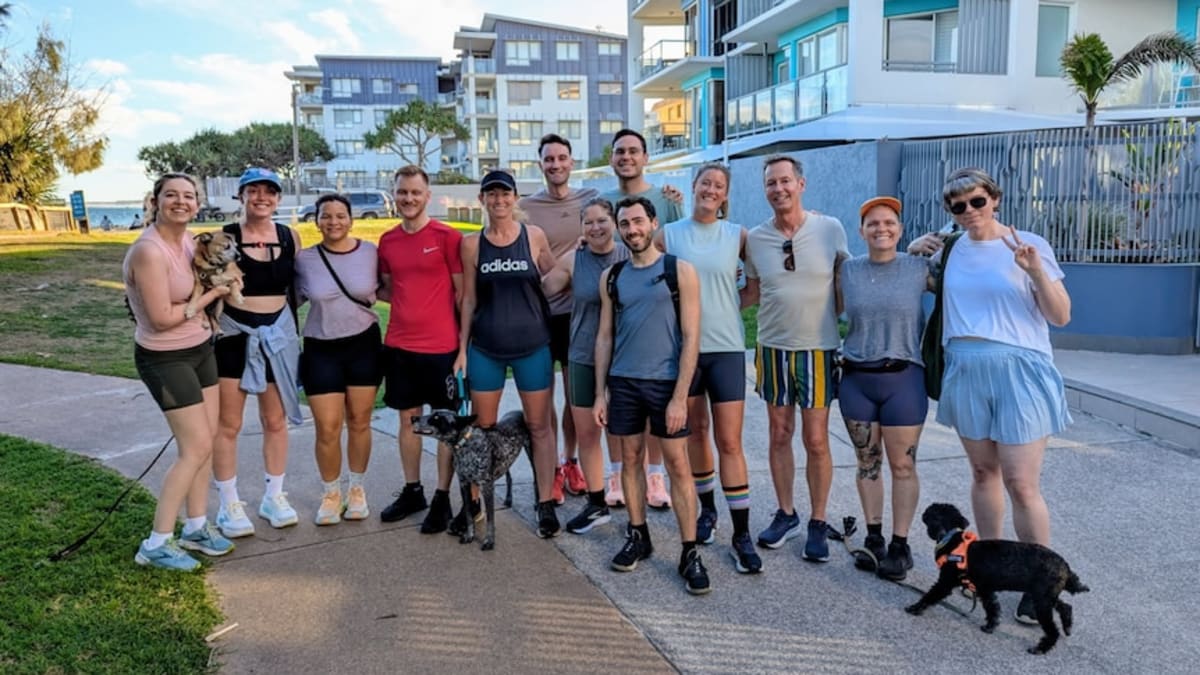
Grace Manning felt the same isolation after moving to the area a year ago. She started the LGBT Run Club, bringing together people for active activities followed by coffee and treats.
"If you don't see yourself in your peers, you just feel lonely and isolated," Manning explained. Finding queer belonging locally has been "really special."
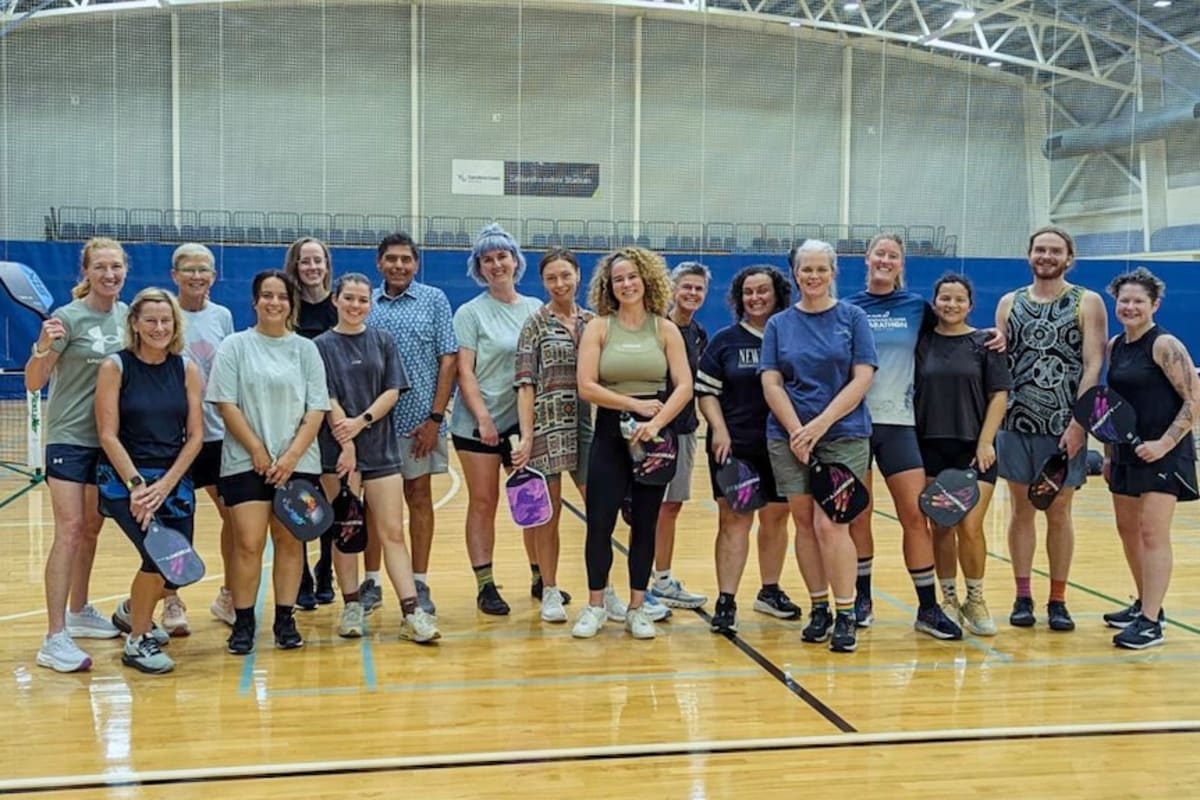
The movement extends beyond social gatherings. Aqualicious, a Queensland Masters swimming club for LGBTQIA+ people, expanded to the Sunshine Coast two years ago after operating in Brisbane since 2003.
President Isaac Goessling said the club welcomes members at all stages of their journey, from people newly out to Pride regulars. Sporting environments can feel unsafe for queer people, but at Aqualicious, the message is simple: "Come and swim. You're safe here and we value you for who you are."
The Ripple Effect
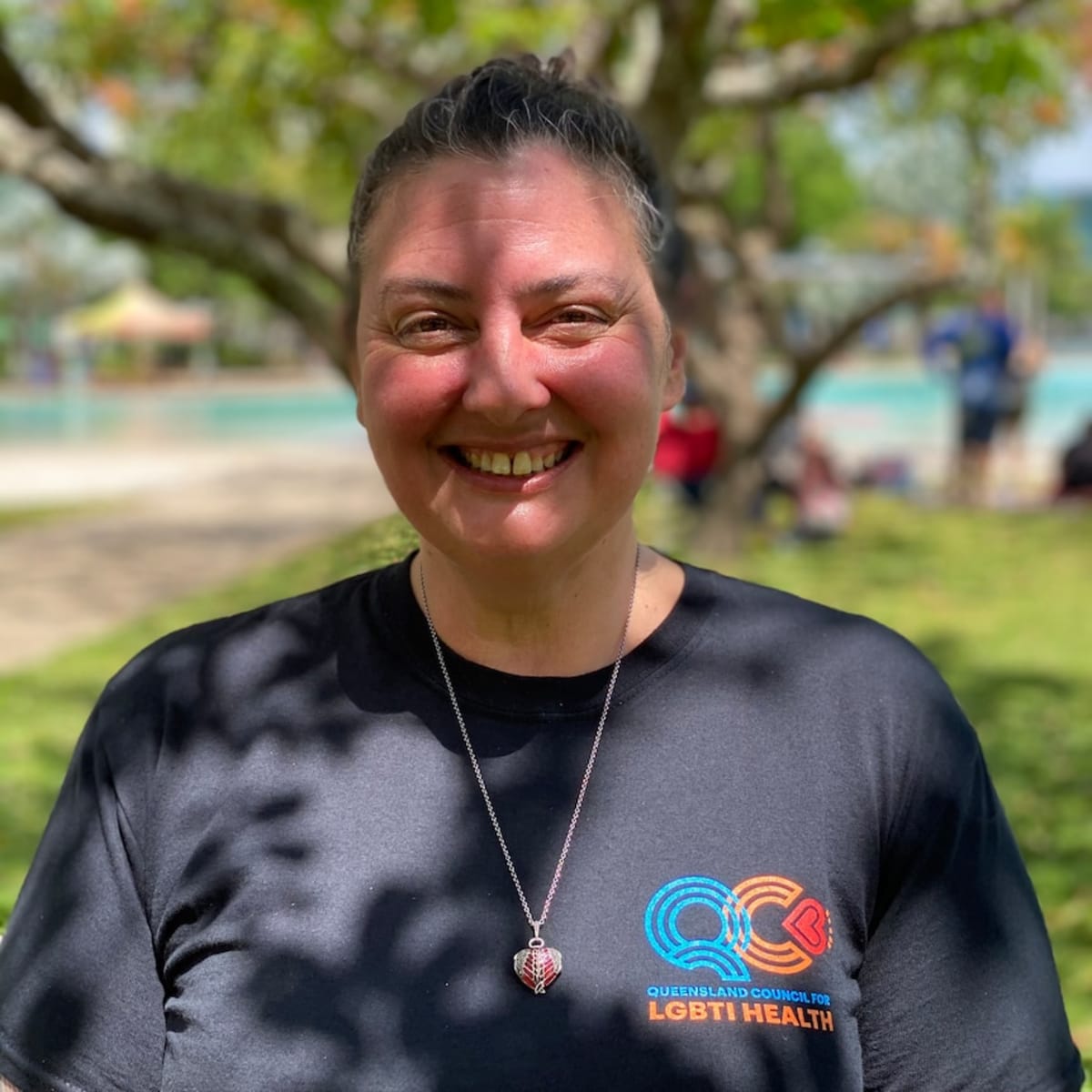
Rebecca Reynolds, chief executive of Queensland Council for LGBTI Health, sees something unique happening on the Sunshine Coast. Queer spaces traditionally centered on bars and clubs, but the community is broadening its imagination about what safe spaces can be.
"What we're seeing isn't the disappearance of queer community spaces so much as a broadening of our imagination about what queer community space can be," Reynolds said. The movement shows communities responding to their own needs.
University of Queensland researcher James Fowler notes that social connection is one of the biggest predictors of health and longevity. Fear can drive isolation, especially for LGBTQIA+ people in regional areas, and connection helps overcome it.
"There is queer joy happening in the Sunshine Coast and people are coming together to have that shared joy," Fowler said.
The groups have created more than just activities—they've built communities where people can live authentically close to home.
More Images
Based on reporting by ABC Australia
This story was written by BrightWire based on verified news reports.
Spread the positivity!
Share this good news with someone who needs it