Supreme Court Affirms Only Humans Can Copyright Artwork
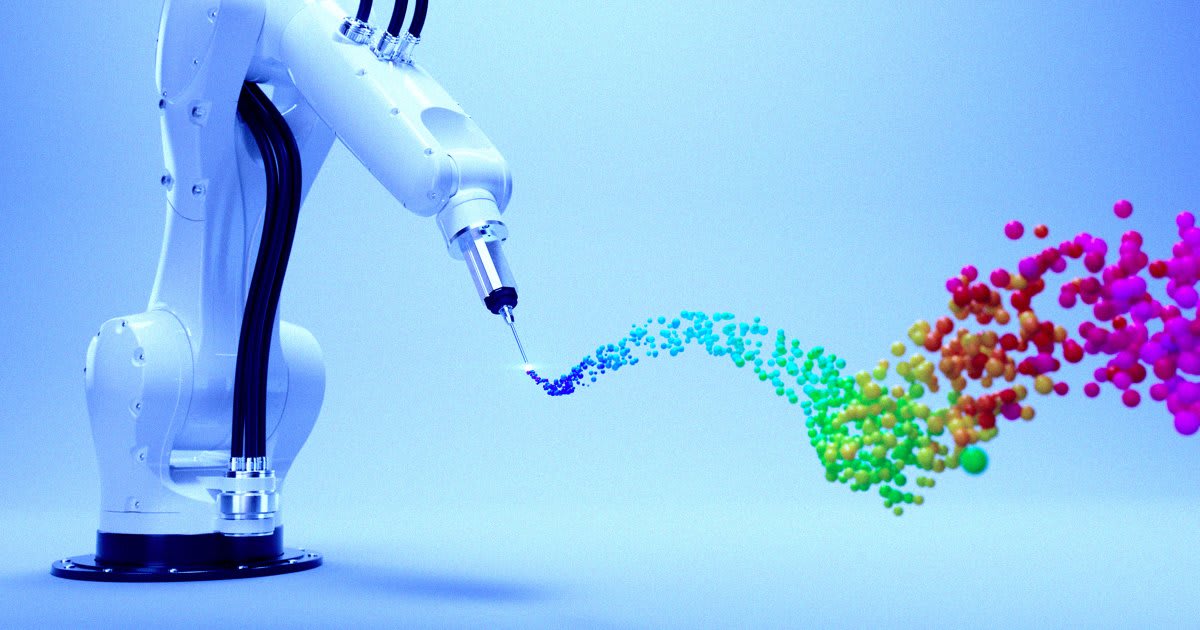
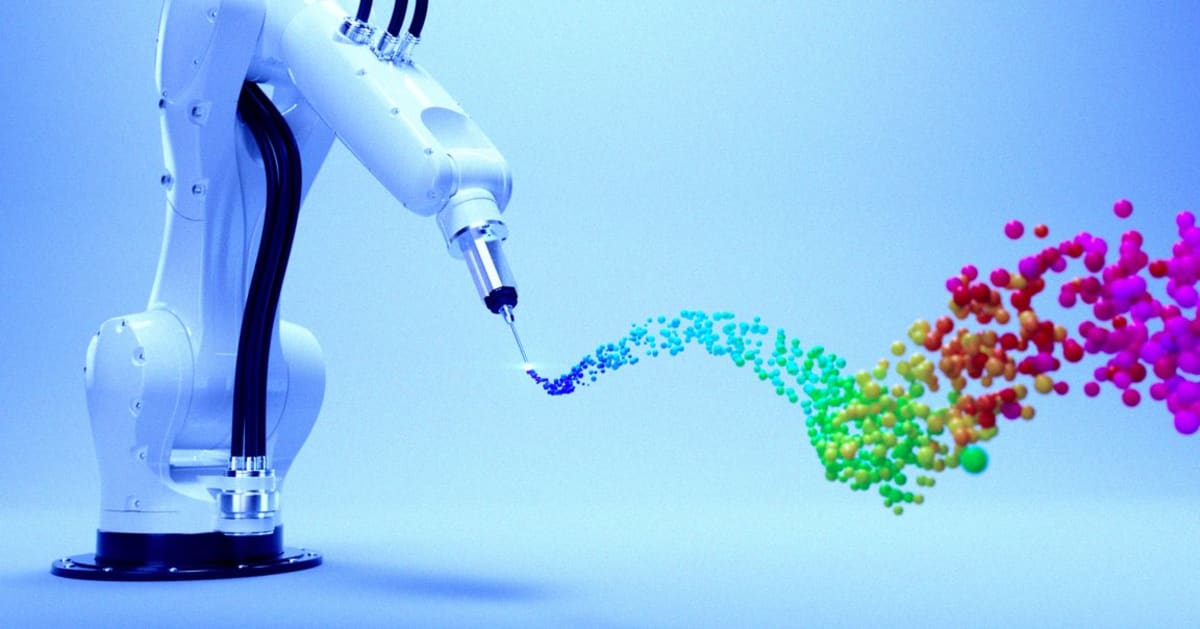
The Supreme Court has settled a years-long debate about AI-generated art, ruling that copyright protection requires human creators. The decision brings clarity to artists and the creative community about ownership in the age of artificial intelligence.
The Supreme Court just brought clarity to one of the most confusing questions in the digital age: who owns art made by artificial intelligence?
The answer is simple. Nobody does, unless a human created it.
Computer scientist Stephen Thaler has been fighting since 2022 to copyright an AI-generated image called "A Recent Entrance to Paradise." He argued that the algorithm that created it deserved the same protections as human artists.
The Copyright Office disagreed. So did a district court judge, an appeals court, and now the Supreme Court, which declined to hear his case.
The ruling settles a question that's been tying the creative world in knots. As AI image generators like Midjourney and DALL-E became popular, thousands of people started calling themselves artists simply for typing prompts into a computer.
Real artists pushed back. They argued that AI companies built their tools by feeding them millions of copyrighted artworks without permission or payment.
The legal system is now addressing those concerns. Warner Bros. Discovery sued Midjourney last year, and artists filed a lawsuit against Google in 2024 after discovering their work was scraped for AI training.
The irony is hard to miss. AI enthusiasts want copyright protection for their generated images while the companies behind those tools face lawsuits for allegedly stealing copyrighted material in the first place.
Thaler didn't stop at artwork. In 2018, he also applied for patents on a food container and rescue beacon, claiming an AI machine named DABUS invented them, not him.
The Patent Office rejected that too. The Supreme Court also declined to hear that appeal.
Why This Inspires
This decision protects something irreplaceable: human creativity. It recognizes that art isn't just about the final product but the human experience, skill, and vision behind it.
The ruling doesn't ban AI tools. It simply clarifies that prompting an algorithm doesn't make you an author any more than asking a photographer to take your picture makes you the photographer.
For working artists who've spent years developing their craft, this is validation. Their skills, their time, and their unique human perspective have value that can't be replaced by typing a few words into a computer.
The Trump administration summed it up clearly: "Multiple provisions of the Copyright Act make clear that the term 'author' refers to a human rather than a machine."
As AI becomes more powerful, this decision draws a bright line protecting human creators while allowing innovation to continue.
More Images
Based on reporting by Futurism
This story was written by BrightWire based on verified news reports.
Spread the positivity!
Share this good news with someone who needs it