Svalbard Polar Bears Thriving Despite Melting Arctic Ice
Scientists tracking nearly 800 polar bears over 27 years discovered the animals are healthier and heavier than expected, adapting to shrinking ice by hunting smarter and exploring new food sources. The surprising findings offer hope that these Arctic giants are more resilient than researchers feared.
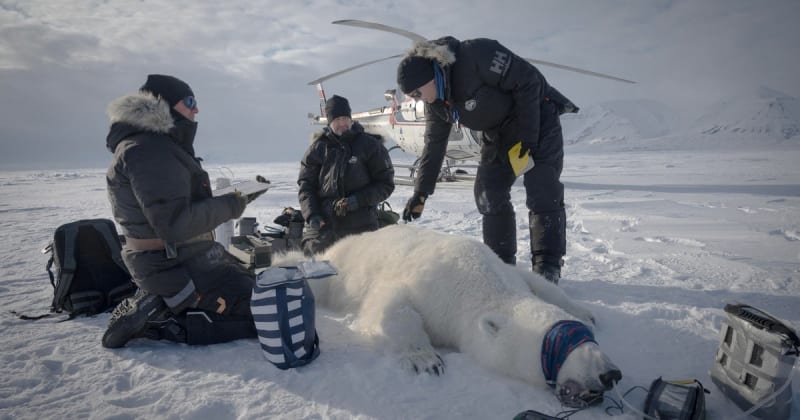
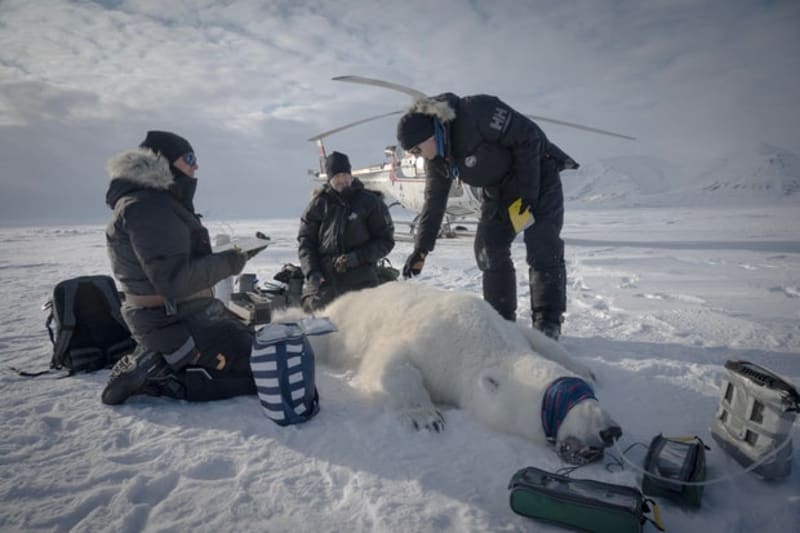
After two decades studying polar bears in the Norwegian Arctic, scientist Jon Aars expected bad news. Instead, he found thriving animals that defied predictions about climate change.
Aars and his team at the Norwegian Polar Institute tracked nearly 800 polar bears on Svalbard, a remote Arctic archipelago, from 1992 to 2019. The bears were not just surviving but flourishing, maintaining healthy weights and successfully raising cubs.
"A fat bear is a healthy bear," Aars explained. Despite losing significant sea ice during the study period, the bears adapted in ways that caught scientists off guard.
The secret lies in how these resourceful animals changed their hunting strategies. As ice coverage shrinks, seals that also depend on the ice get concentrated into smaller areas. This actually makes hunting more efficient for the polar bears.
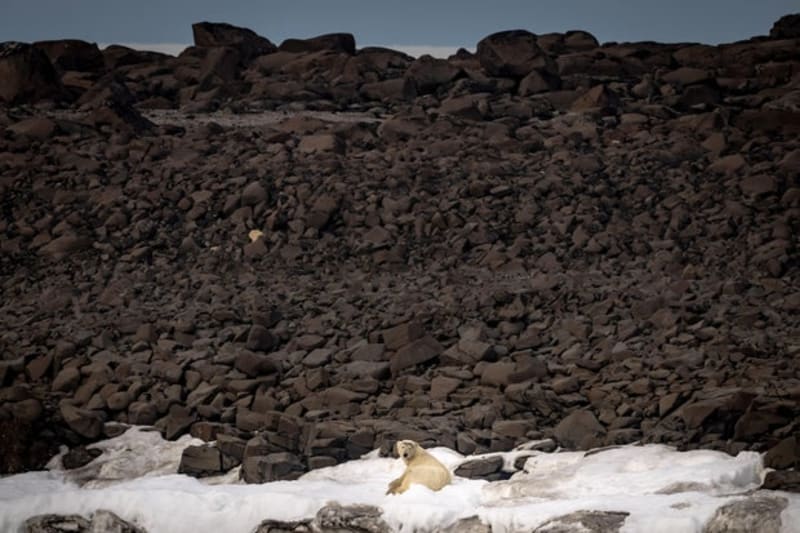
The bears also discovered alternative food sources on land. Some individuals now spend up to 90% of their time on shore, hunting reindeer and walruses instead of relying solely on seals. This dramatic shift shows remarkable flexibility in animals once considered specialist hunters.
The Bright Side
This research challenges what scientists thought they knew about polar bear survival needs. The animals require less sea ice than previously believed and show impressive ability to adapt their behavior and diet when conditions change.
The findings offer a glimmer of hope for other polar bear populations facing similar challenges across the Arctic. If Svalbard bears can find creative solutions, other groups might develop their own adaptation strategies.
Aars remains cautiously optimistic but realistic. The bears are coping well with current conditions, but climate models predict continued rapid ice loss in the region. Whether these adaptations can keep pace with accelerating change remains unknown.
The study also highlights how little scientists still understand about animal resilience in changing environments. Nature may surprise us with solutions we never anticipated, though that doesn't diminish the urgency of climate action.
For now, the healthy, well fed bears of Svalbard prove that even in warming Arctic waters, survival stories are still being written.
More Images
Based on reporting by Google News - Researchers Find
This story was written by BrightWire based on verified news reports.
Spread the positivity!
Share this good news with someone who needs it