World's Heaviest Parrot Hits 325 After Record Year
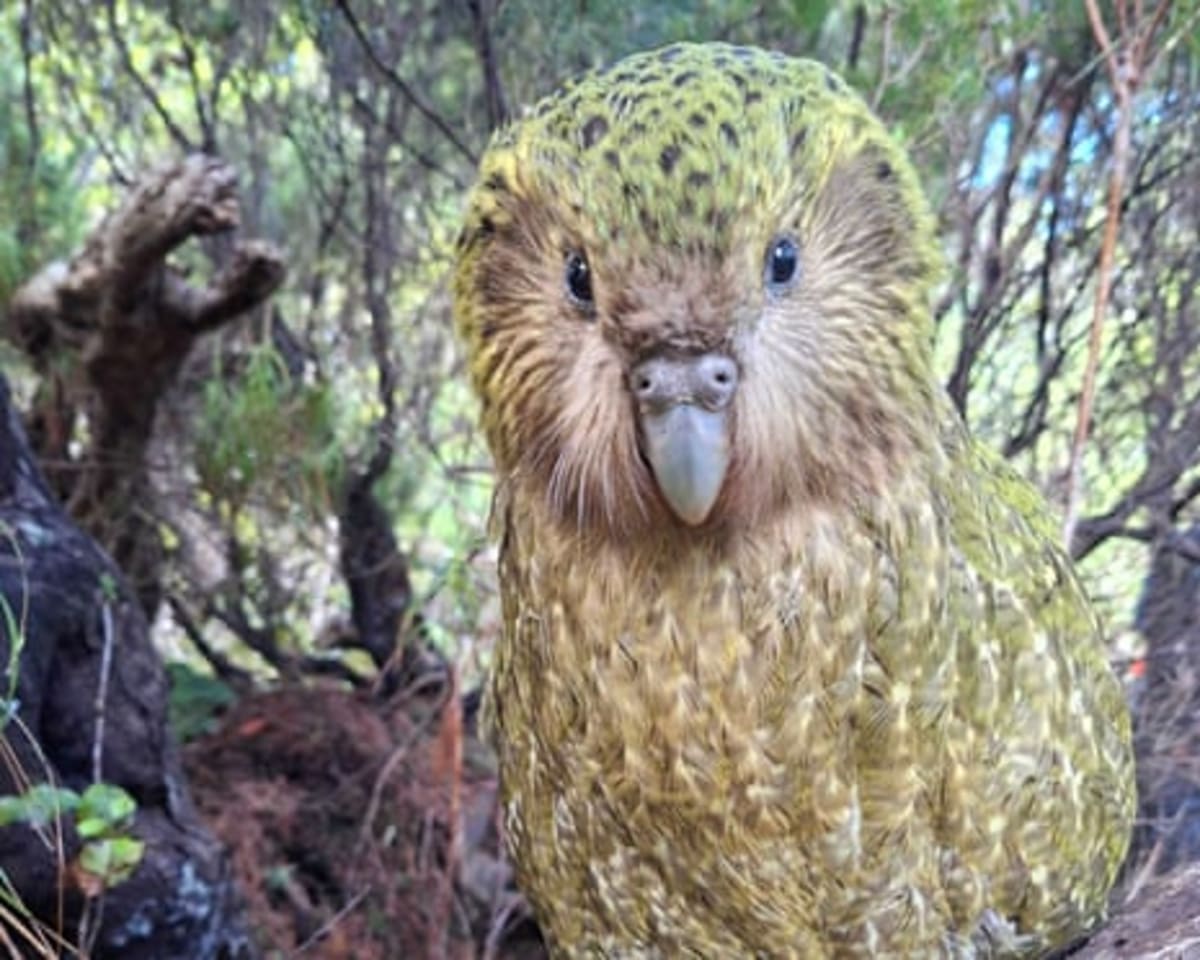
New Zealand's critically endangered kākāpō just had its best breeding season ever, with 90 chicks pushing the population above 300 for the first time in 75 years. A bumper crop of native berries triggered the rare baby boom for the world's only flightless, nocturnal parrot.
The world's heaviest parrot just pulled off a comeback that seemed impossible 30 years ago.
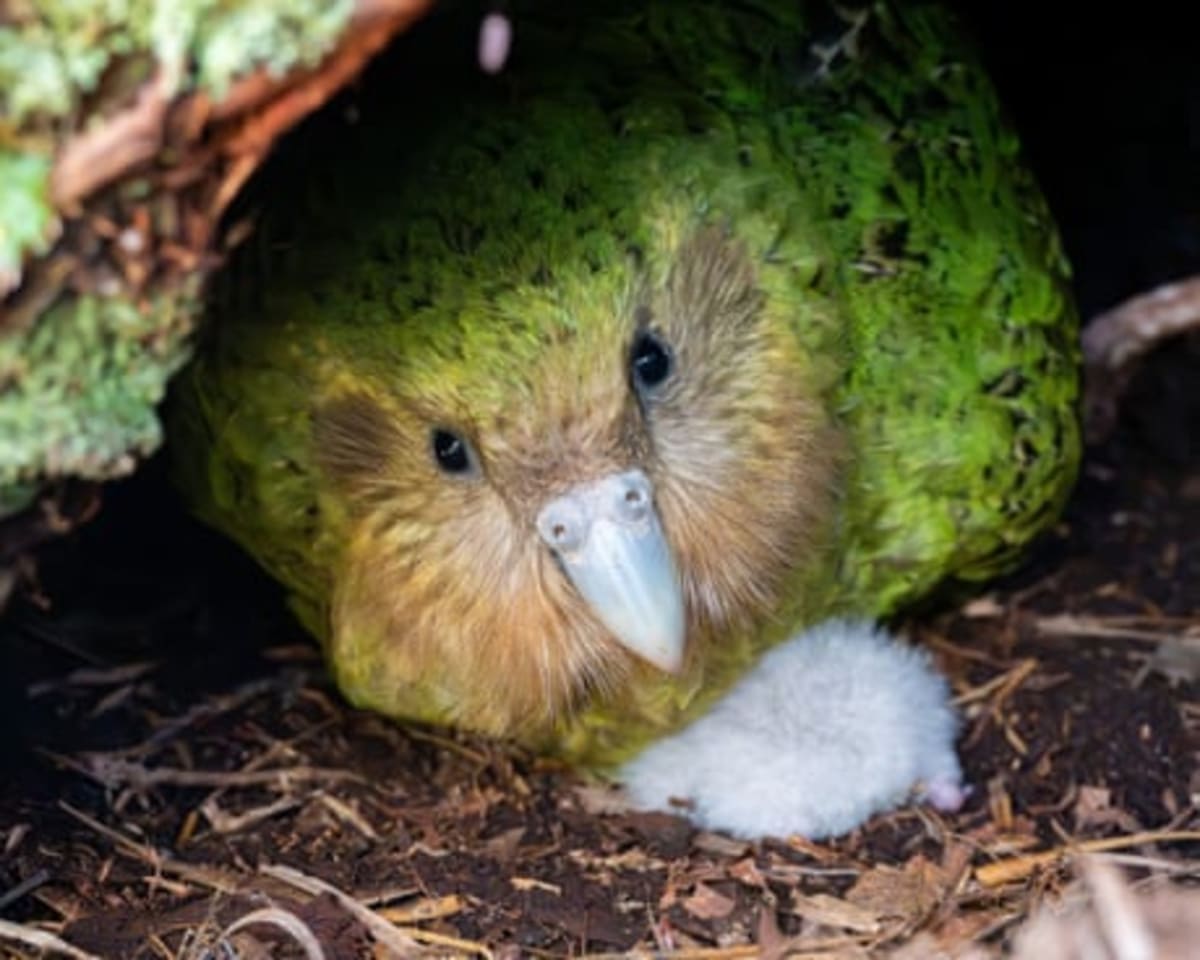
New Zealand's kākāpō population has soared past 300 birds for the first time since the 1950s, thanks to 90 chicks born in a record-breaking breeding season. The flightless, nocturnal parrots now number 325, a stunning achievement for a species that dropped to just 51 birds in 1995.
The baby boom happened because of rimu trees, native plants that produce berries only every two to four years. When the trees had a massive fruiting season this year after a four-year wait, the kākāpō responded by breeding in record numbers.
"In the early years of recovery, it took 16 years to produce that many chicks," said Deidre Vercoe, the conservation department's recovery operations manager. This time, they did it in one season.
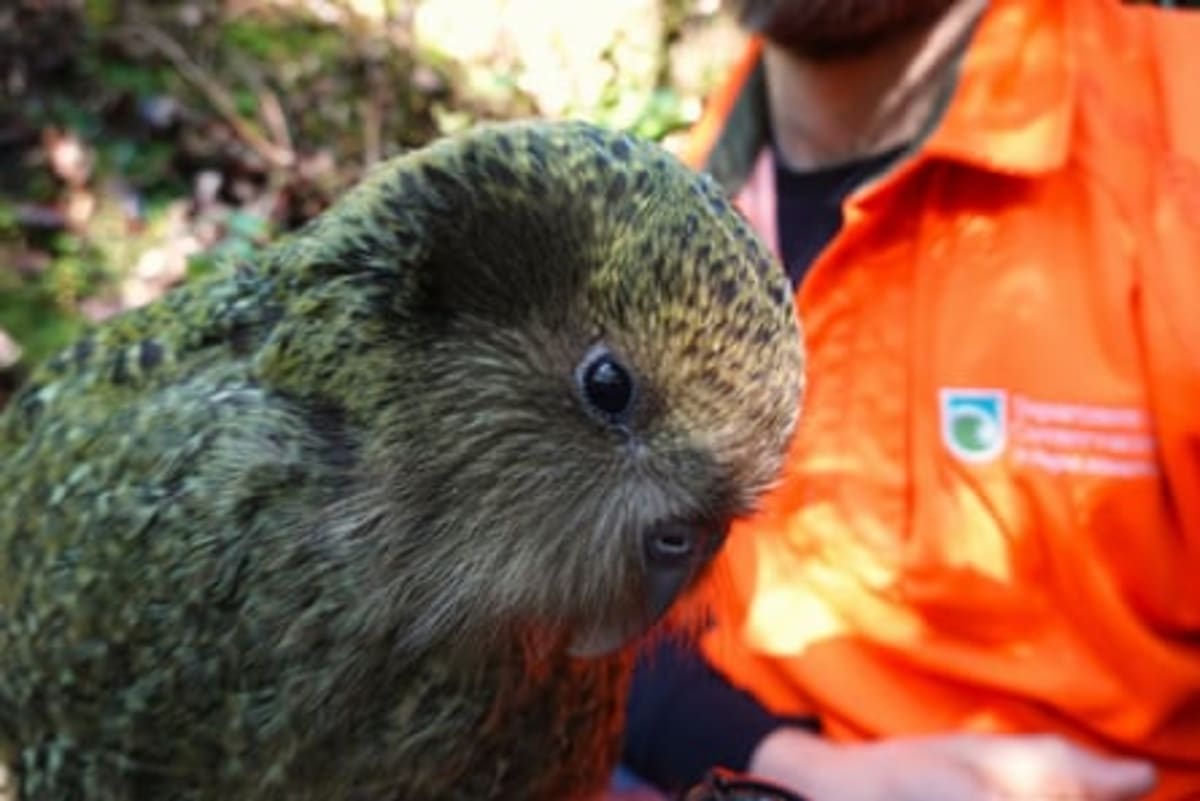
Kākāpō nearly vanished after cats and stoats arrived in New Zealand and hunted the defenseless birds. By the 1900s, they teetered on the edge of extinction. Recovery teams moved all surviving birds to three predator-free islands off the South Island, where they could breed safely.
The parrots themselves make conservation challenging. Males gather in groups to attract mates by sitting in ground bowls and producing deep booming sounds from air sacs in their chests. The boom travels up to 5 kilometers and sounds like a plucked cello string.
After mating, females raise their chicks alone for six months. The birds can weigh up to 4 kilograms and live between 60 and 80 years, meaning each breeding season counts for decades.
The Ripple Effect spreads beyond New Zealand's shores. The kākāpō recovery shows that dedicated conservation can reverse even the most dire predictions. Early efforts battled genetic diversity problems, infertility, and poor hatching rates, yet teams never gave up. The success has become a blueprint for saving other critically endangered species worldwide.
The parrots have captured hearts globally. Over 100,000 people tuned in to watch a livestream of a kākāpō mother sleeping, eating, and caring for her chicks during breeding season.
The youngest chick, a female named Awarua-A3, hatched on March 30 and reached independence at 150 days old on September 1. She represents hope that the next generation will thrive.
Conservation teams are already preparing for the next breeding season, possibly as soon as 2028 when rimu trees fruit again.
More Images

Based on reporting by Guardian Environment
This story was written by BrightWire based on verified news reports.
Spread the positivity!
Share this good news with someone who needs it