Sweden Volunteers Map Bear Dens to Protect Conservation Win
Sweden's brown bears rebounded from just 100 to over 3,000 after near-extinction. Now citizen scientists are joining researchers to protect breeding sites and ensure the recovery continues.
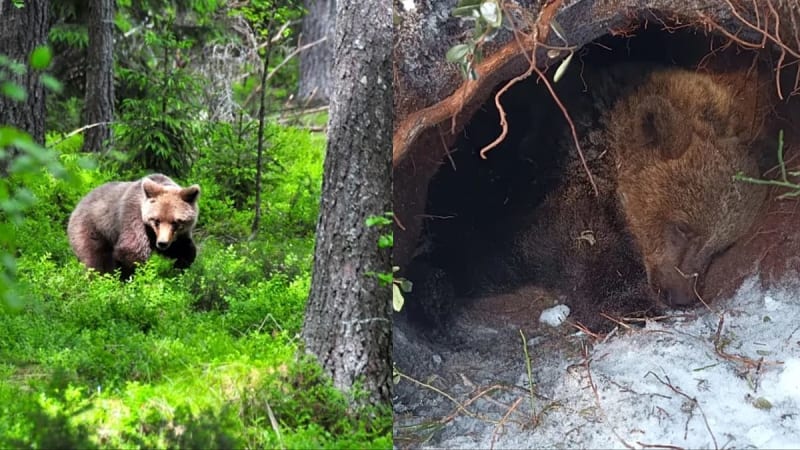
A century ago, Sweden's brown bears nearly vanished, with only about 100 surviving. Today, more than 2,400 roam the country's forests, making them one of Europe's greatest conservation comeback stories.
The recovery happened through careful management. Electric fences, improved land planning, and livestock protection measures helped bears and humans coexist peacefully.
But protecting this success requires ongoing work. Understanding where bears den during winter and rest during summer is critical to preventing human-wildlife conflict and supporting healthy reproduction.
That's where everyday people come in. This May, international volunteers will join scientists in central Sweden for a 10-day expedition to map bear dens and resting sites.
The citizen science project runs from May 25 to June 3 in the forests and wetlands of Dalarna. Volunteers will survey remote terrain guided by GPS collar data, ensuring they don't disturb the animals.
"Accurate den data help protect breeding sites and reduce the likelihood of conflict between people and bears," says Dr. Matthias Hammer, founder of Biosphere Expeditions, which leads the effort.
The timing matters. In late spring, mother bears emerge from winter dens with their cubs, making disturbance to these sites particularly harmful to survival and reproduction.
The Ripple Effect
Since 2019, these annual expeditions have contributed substantial data to the Scandinavian Brown Bear Research Project, one of the world's longest-running brown bear studies. The information helps researchers understand bear behavior and identify areas where human activity should be limited.
"The more citizen scientists we have to help with all of this, the better we can protect the brown bears in Sweden," says expedition scientist Dr. Andrea Friebe.
The volunteers also collect scat samples and help deploy camera traps. These efforts create a comprehensive picture of bear populations and their habitat needs across Sweden's vast wilderness.
Anyone interested in wildlife conservation can join the expedition, regardless of previous experience. The project demonstrates how ordinary people can contribute directly to protecting species that once teetered on the brink of extinction.
Sweden's bears prove that with dedication and smart management, wildlife can recover even after populations crash to dangerous lows.
More Images


Based on reporting by Euronews
This story was written by BrightWire based on verified news reports.
Spread the positivity!
Share this good news with someone who needs it