Swedish Homes Run on EV Power for 5 Days
Eight families in Sweden are slashing electricity bills by using their parked electric cars as giant home batteries. The cars charge when power is cheap and feed electricity back during peak hours.
Imagine your car doing double duty as your home's backup power supply while it sits parked in your garage. That's exactly what's happening for eight families in Hudiksvall, Sweden, and it's changing how they think about energy costs.
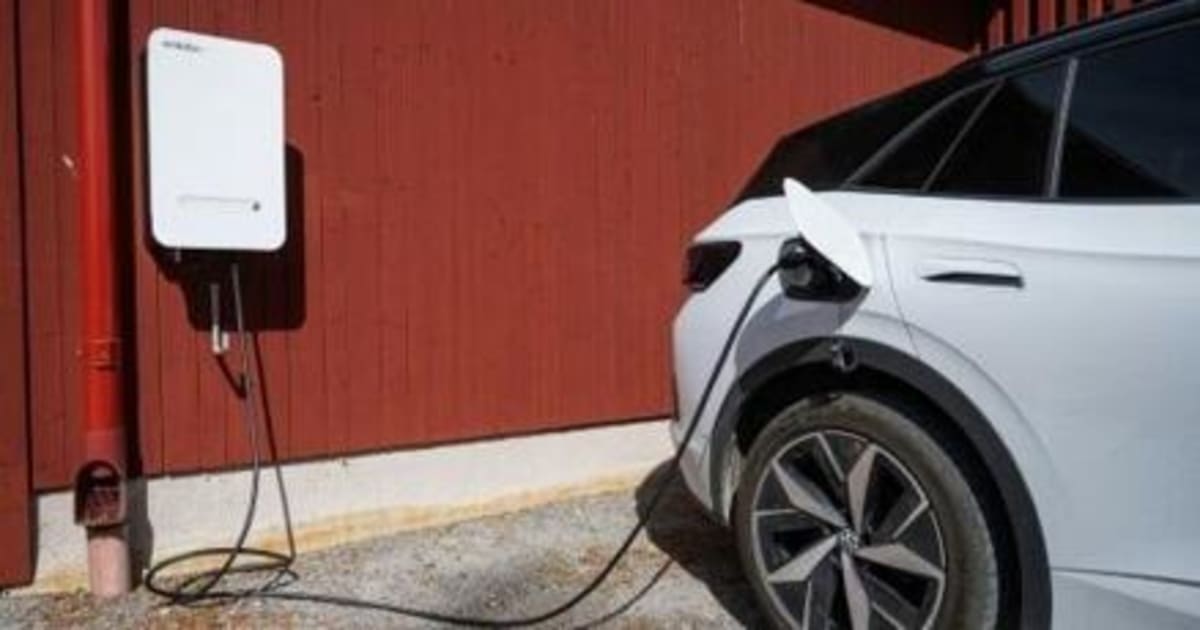
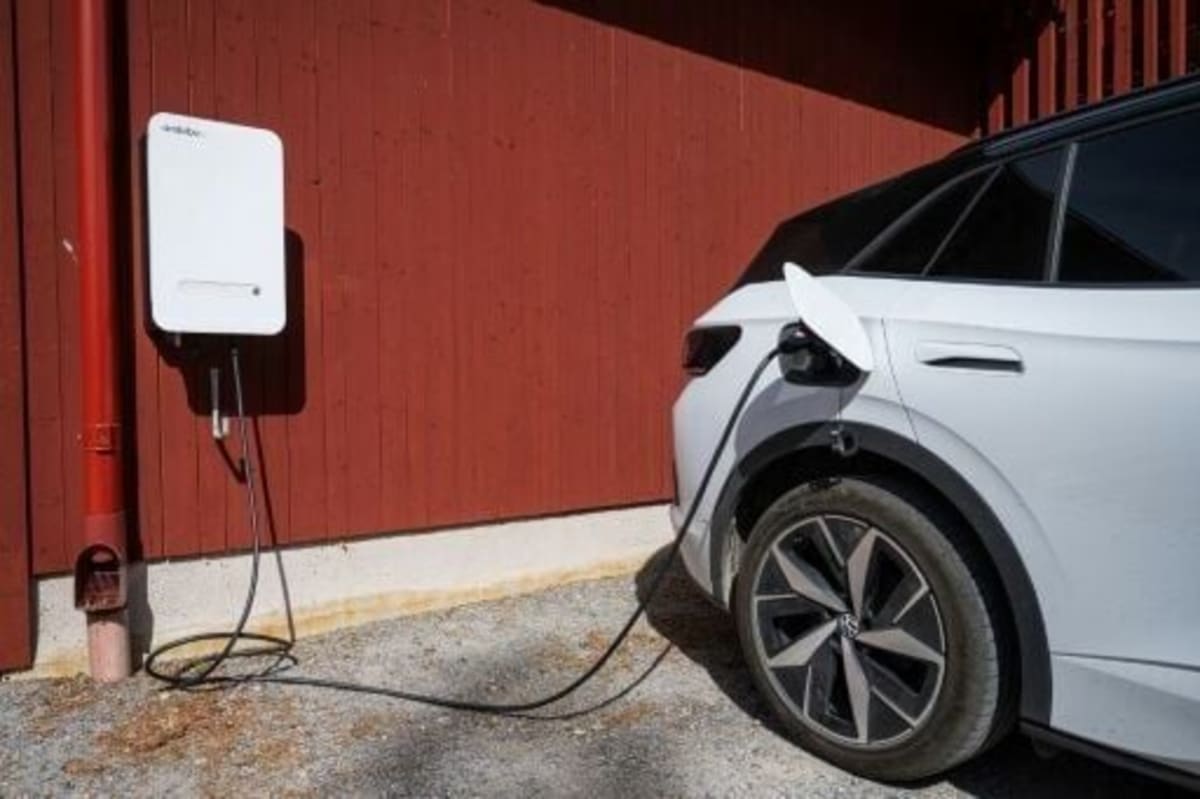
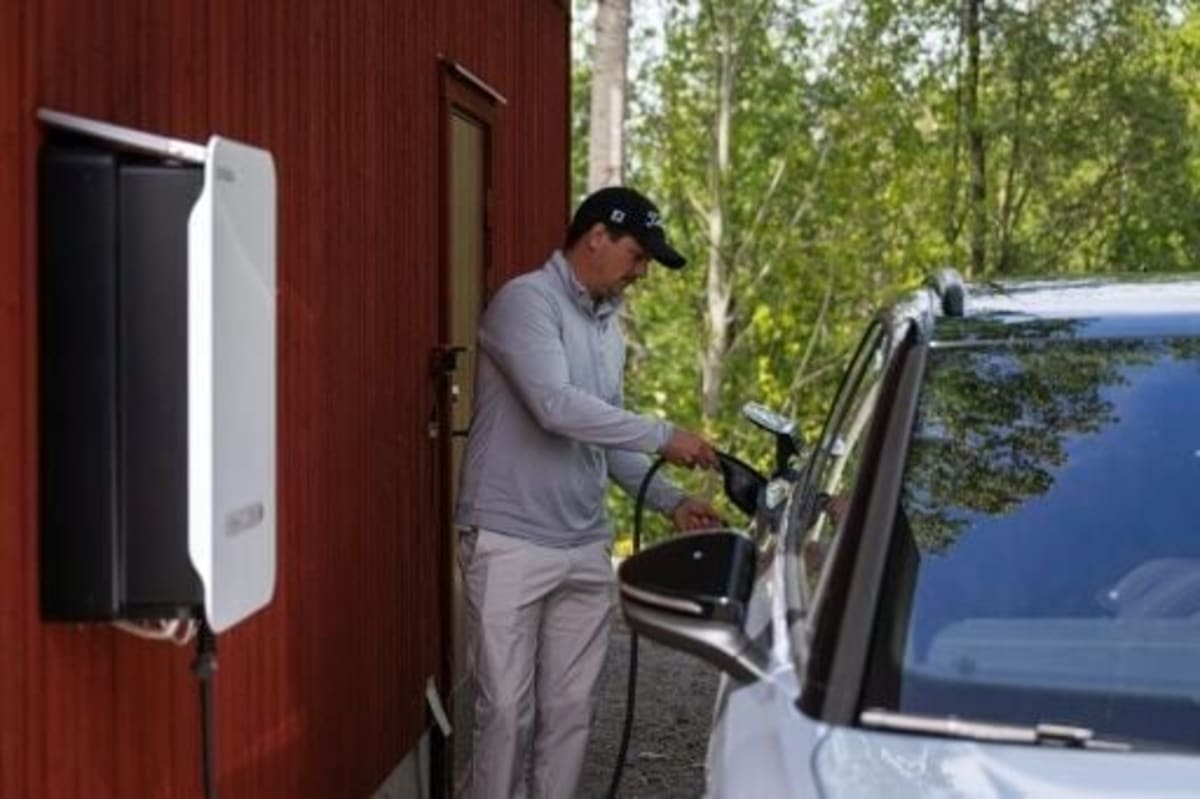
Filip Kiltorp, a 33-year-old salesman, plugs his electric vehicle into a special charging point when he gets home each day. But unlike regular chargers, this one works both ways. When his family needs power during expensive peak hours, the car feeds electricity back into their apartment.
"We use the same amount of electricity as other homeowners but our bill is much lower," Kiltorp told reporters. Electricity costs are a constant topic among his friends and coworkers, but his family has found a solution that makes living there "undeniably cheaper."
The technology works through bidirectional chargers that turn electric vehicles into mobile batteries. Software automatically charges the cars during off-peak hours when electricity is cheapest. Then during peak demand when prices spike, the system reverses and the car batteries power the homes instead.
The eight red apartment buildings share more than just innovative charging. They also have solar panels on their roofs, a shared heat pump for heating, and storage units that hold surplus solar power. Together, these features make the complex "almost self-sufficient," according to Kiltorp.
Nicholas Etherden, a researcher at Gavle University, calls electric vehicles "batteries on wheels." He points out that cars sit idle 95 percent of the time, making them perfect for storing energy. A single EV battery can power a typical household for five to seven days before running down.
The pilot project brings together housing association BRF Stenberg, Volkswagen, and utility company Vattenfall. Project leader Klas Boman, who previously worked in the vehicle industry, hopes they'll inspire others to adopt the model.
The Ripple Effect
Swedish universities and startups are already testing the technology on larger scales. Gavle University staged a dramatic demonstration during a speech by the higher education minister. They cut the power mid-speech, then plugged in an electric car that kept the building running for hours.
If widely adopted, the technology could stabilize entire power grids. When thousands of parked EVs feed power back during peak hours, they could provide more electricity than people draw at the highest demand times. This means fewer power outages and lower costs for everyone.
Professor Lina Bertling Tjernberg from Stockholm's Royal Institute of Technology says the next big step is equipping every new electric vehicle with bidirectional charging systems. While some worry about battery wear, early experience shows batteries are lasting longer than expected.
Sweden's neighbor Norway already has much higher electric vehicle adoption, suggesting this model could spread quickly across Scandinavia and beyond. The families in Hudiksvall are proving that the future of energy might be sitting in your driveway right now.
More Images
Based on reporting by Regional: sweden renewable energy (SE)
This story was written by BrightWire based on verified news reports.
Spread the positivity!
Share this good news with someone who needs it