Sydney Fish Market Cuts Emissions 25% With Smart Tech
Sydney's new waterfront fish market just became one of Australia's greenest public buildings, slashing carbon emissions by a quarter using smart heating and cooling technology. The project shows how modern infrastructure can deliver world-class experiences while protecting the planet.
Sydney's stunning new waterfront fish market isn't just serving up fresh seafood. It's serving up a blueprint for how major public buildings can dramatically cut their carbon footprint.
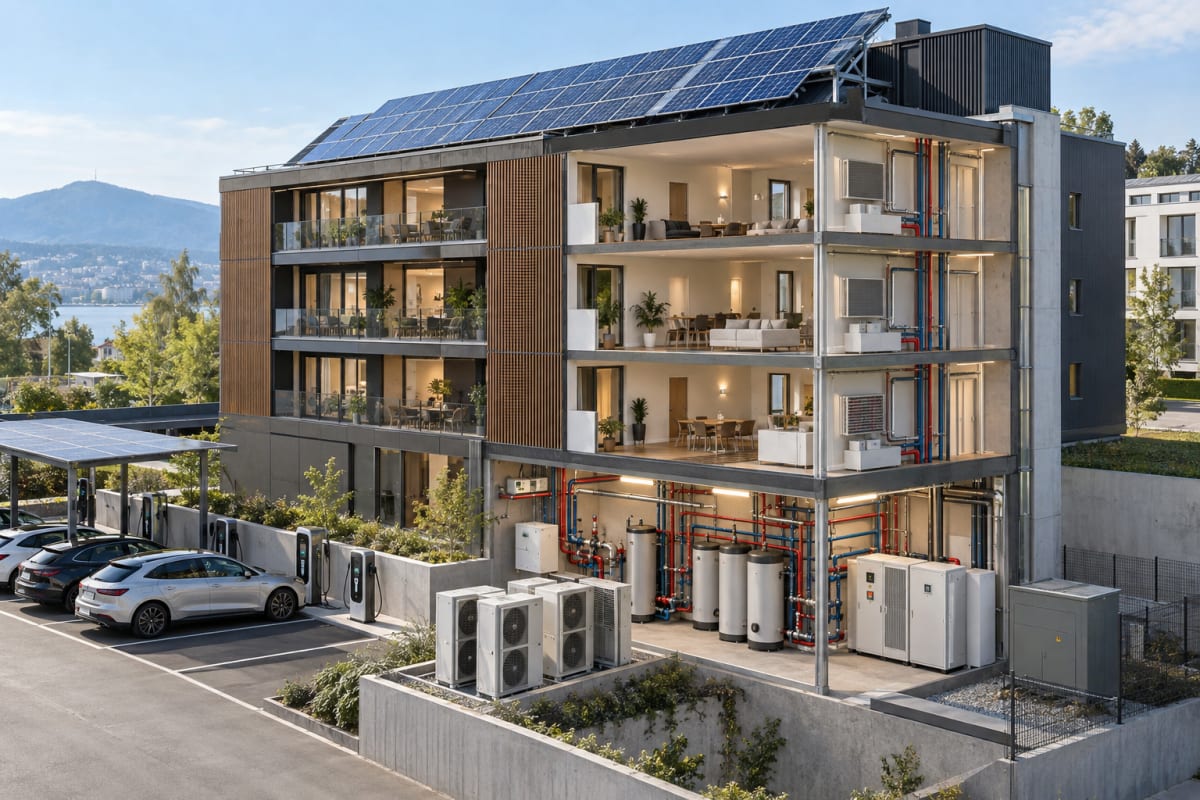
The New Sydney Fish Market at Blackwattle Bay features an advanced heating and cooling system that reduces carbon emissions by 25 percent compared to traditional setups. The facility also uses between 5 and 30 percent less energy than conventional systems, proving that sustainability and great design can go hand in hand.
The secret lies in over 130 specialized variable speed drives that control everything from water pumps to ventilation fans throughout the building. These smart devices communicate with a central management system, allowing operators to monitor performance in real time and catch problems before they start.
Dean Corkin, who managed the project for Equilibrium Climatech, chose the technology specifically because it could handle the demanding 24/7 operations a fish market requires. The drives include protective features that help them last longer in tough industrial environments while keeping energy use low.
The technology does more than just cut emissions. It's expected to lower operating costs over time, extend the life of expensive equipment, and keep the facility running smoothly through proactive monitoring.
Located on Sydney Harbour, the redeveloped market offers world-class seafood retail and dining alongside new community spaces and improved public access to the waterfront. The sustainability features were built into the project from the start, with Infrastructure NSW leading the development as one of the city's most significant recent public projects.
The Ripple Effect
This project demonstrates something important: major infrastructure doesn't have to choose between being impressive and being green. When contractors, technology providers, and suppliers work together from the beginning, they can create buildings that balance environmental responsibility with top-notch performance and long-term financial sense.
As more cities around the world upgrade aging infrastructure, Sydney's fish market offers a working example of how to do it right. The combination of advanced technology, thoughtful design, and commitment to sustainability shows that the buildings of tomorrow can serve communities better while leaving a lighter footprint on the planet.
Based on reporting by Google News - Emissions Reduction
This story was written by BrightWire based on verified news reports.
Spread the positivity!
Share this good news with someone who needs it