Sydney PhD Student Creates Cosmic Dust in a Lab Bottle
A graduate student recreated the universe's chemistry in glass tubes, producing real cosmic dust that reveals how life's ingredients may have formed in space. The breakthrough lets scientists study where Earth's organic molecules came from without waiting for meteorites.
A PhD student in Sydney just bottled a piece of the universe and unlocked clues about where life itself may have started.
Linda Losurdo spent a year perfecting an experiment that sounds like science fiction. She pumped gases into glass tubes, zapped them with 10,000 volts of electricity, and created actual cosmic dust identical to the material floating between stars.
The sparkling particles contain carbon, hydrogen, oxygen and nitrogen. Scientists call these CHON molecules, and they're the essential building blocks found in every living thing on Earth.
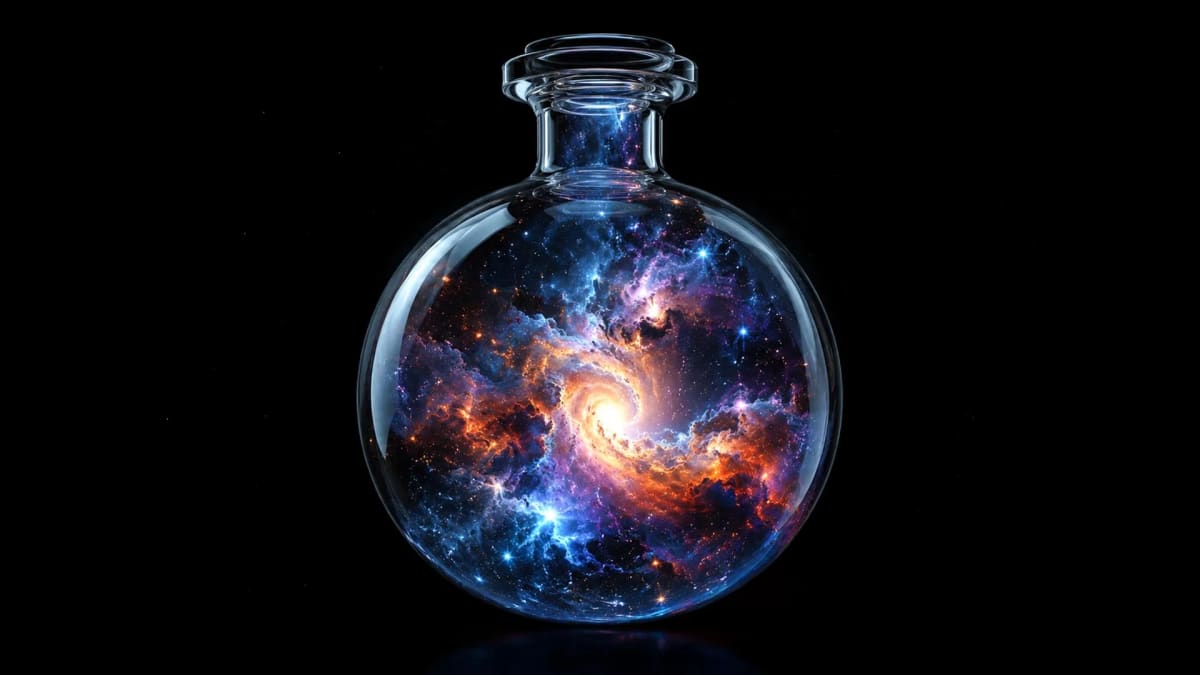
"It's like we have recreated a little bit of the Universe in a bottle in our lab," Losurdo said. She's a PhD candidate in materials and plasma physics at the University of Sydney, and her findings just appeared in The Astrophysical Journal.
The experiment works by mimicking the extreme conditions near dying stars and stellar nurseries. Losurdo filled vacuum-sealed tubes with nitrogen, carbon dioxide and acetylene, then subjected them to intense electrical charges for about an hour. The energy tore molecules apart and recombined them into increasingly complex structures.
After each run, she found thin coatings of dust settled onto silicon chips inside the tubes. The particles produced the same infrared light signatures that astronomers detect when they point telescopes at real cosmic dust clouds.
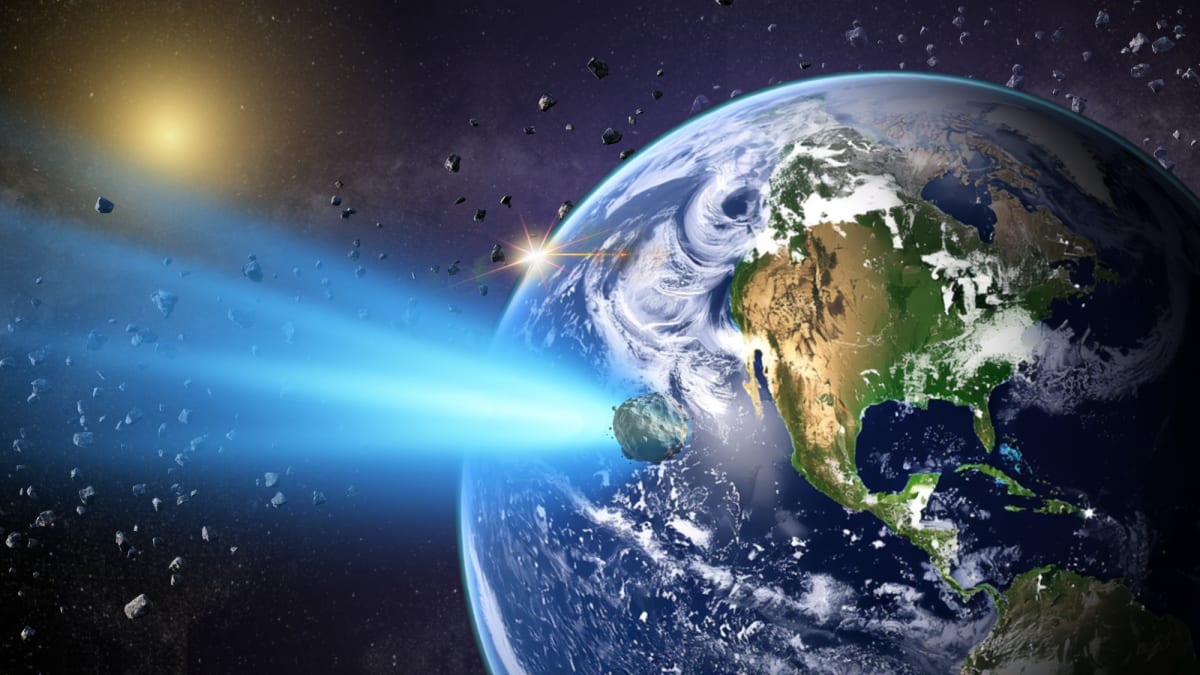
That match matters because scientists have long debated where Earth's first organic molecules came from. Between 4.56 and 3.5 billion years ago, comets and meteorites bombarded our young planet, possibly delivering the chemistry that eventually sparked life. But nobody knew exactly how or where those ingredients originally formed.
"We no longer have to wait for an asteroid or comet to come to Earth to understand their histories," Losurdo explained. Scientists can now reverse engineer cosmic chemistry right here on the ground.
The Ripple Effect
Professor David McKenzie, who supervised the research, says the breakthrough goes beyond understanding our own origins. By controlling temperature and energy levels in the lab, scientists can now decode the entire life story of any meteorite fragment.
"Its chemical signature holds a record of its journey, and experiments like this help us learn how to read that record," McKenzie said. The technique essentially creates a reference library that astronomers can use to interpret observations from space telescopes.
The research could help scientists identify which cosmic environments are most likely to produce complex organic chemistry. That knowledge might guide the search for life beyond Earth by showing where to look for similar conditions around other stars.
For now, Losurdo continues perfecting her cosmic dust recipe, one electrified bottle at a time. Each experiment brings us closer to answering one of humanity's oldest questions: where did the stuff of life come from?
The answer, it turns out, may have been written in stardust all along.
Based on reporting by Science Daily
This story was written by BrightWire based on verified news reports.
Spread the positivity!
Share this good news with someone who needs it