Syria Signs Ceasefire with Kurdish Forces After Clashes
After years of tension and days of intense fighting, Syria's interim government reached a peace agreement with Kurdish-led forces backed by the US. The deal marks a crucial step toward unifying the country after decades of conflict.
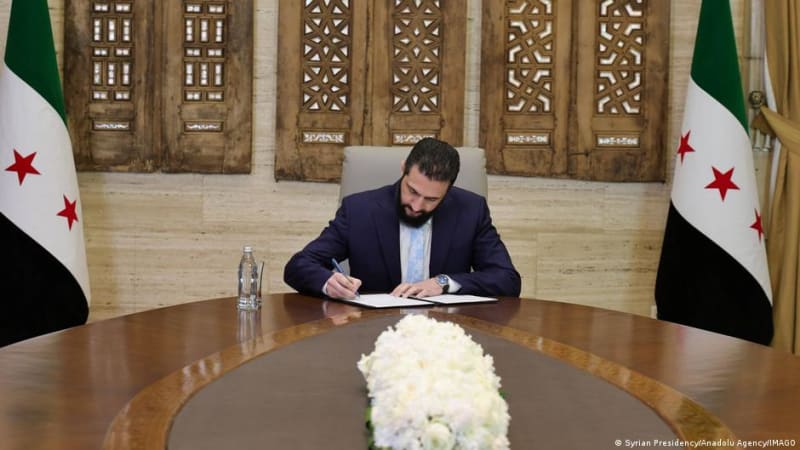
Syria just took a major step toward lasting peace. The country's interim leader Ahmad al-Sharaa signed a ceasefire agreement with the Syrian Democratic Forces, ending clashes that threatened to derail the nation's fragile recovery after years of civil war.
The 14-point deal came after two days of fighting between Syrian government troops and the Kurdish-led forces who have controlled northeastern Syria for over a decade. Syrian forces had advanced into Kurdish-held areas, including the strategic town of Tabqa and neighborhoods in Aleppo, raising fears of renewed widespread conflict.
Under the agreement, all SDF fighters will withdraw to the east of the Euphrates River, and both sides committed to an immediate ceasefire. The deal addresses one of Syria's most sensitive challenges: how to integrate the Kurdish forces into the new Syrian state while respecting their identity and contributions.
The United States, which partnered with Kurdish forces to defeat ISIS, welcomed the news. Tom Barrack, the US special envoy to Syria, called it "a pivotal inflection point" and pledged American support for bringing Kurdish fighters into the national framework.
Al-Sharaa reinforced his commitment to "Syria's unity and sovereignty over its territory" while emphasizing dialogue and rebuilding "with the participation of all Syrians." Just days before the fighting escalated, he declared Kurdish a "national language" and granted official recognition to the Kurdish minority.
The Ripple Effect
This ceasefire means more than just stopping bullets. For over ten years, Kurdish forces held their own territory, running their own administrations and controlling valuable resources like oil fields and border crossings. Bringing these areas under central government control without violence shows that Syria's new leaders are serious about building a country where all groups have a place.
The agreement also protects progress against terrorism. Kurdish forces were America's key partner in defeating ISIS, and their integration into Syria's military means that expertise won't be lost. Both sides recognize that division only helps extremist groups regain strength.
For ordinary Syrians in these regions, the ceasefire offers something rare: hope that their children might grow up without hearing gunfire. Families separated by conflict zones may finally reconnect, and resources spent on fighting can shift toward rebuilding schools, hospitals, and homes.
Why This Inspires
The path forward won't be easy. Deep distrust remains on both sides after years of conflict. Kurdish leaders worry about broken promises, while Damascus wants full control over Syria's territory and resources. The negotiations that led to this March 2025 framework agreement were long and difficult.
But choosing dialogue over violence, even after fighting has started, shows remarkable leadership. Al-Sharaa, a former Islamist group leader, and the Kurdish commanders who fought alongside Western forces found common ground because they put Syria's future first.
After more than a decade of civil war that tore the country apart, Syrians are writing a new chapter together.
Based on reporting by DW News
This story was written by BrightWire based on verified news reports.
Spread the positivity!
Share this good news with someone who needs it