T. Rex Took 40 Years to Grow, Scientists Discover
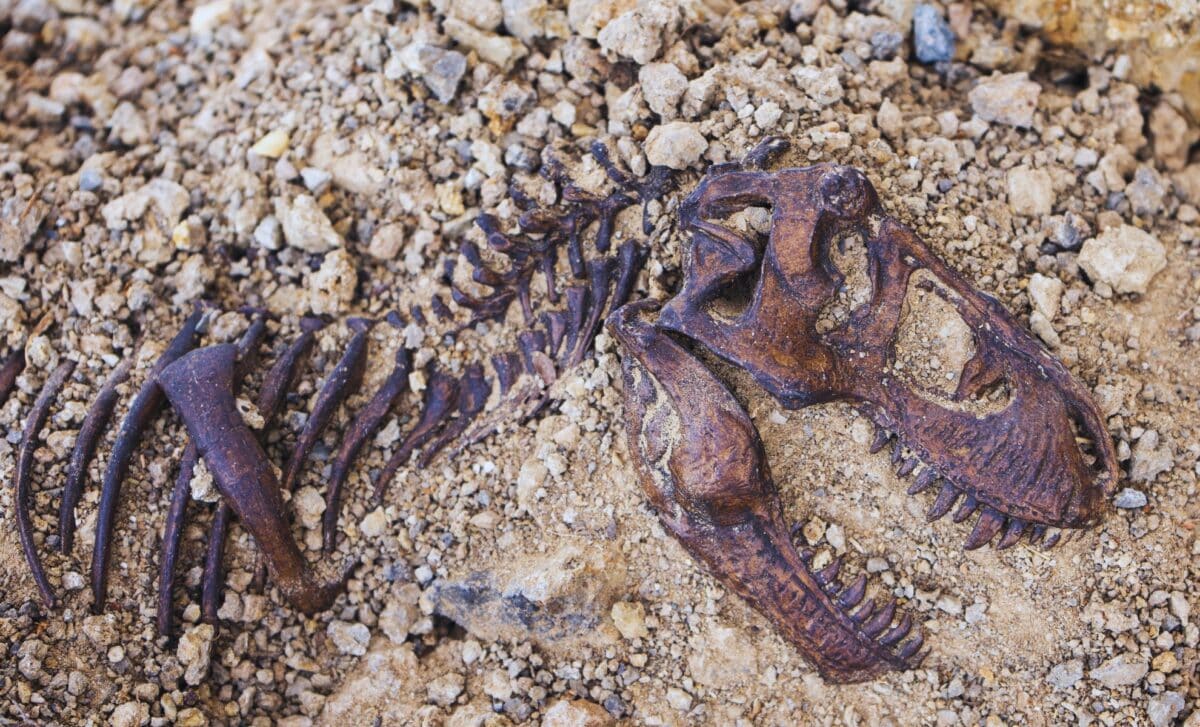
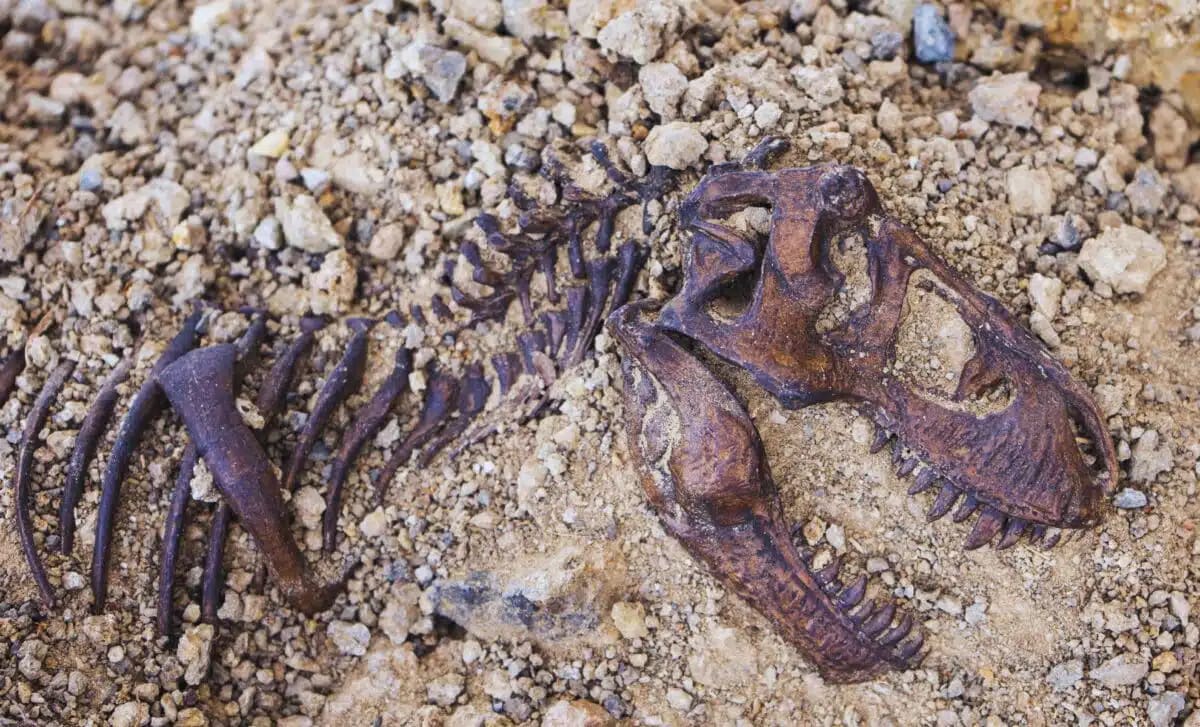
New research reveals the mighty Tyrannosaurus rex took twice as long as scientists thought to reach full size, growing slowly over four decades instead of just 25 years. This discovery could explain how T. rex dominated as the apex predator for millions of years.
Scientists just rewrote the story of how the most famous dinosaur grew up, and the answer is a lot slower than anyone expected.
For decades, paleontologists believed Tyrannosaurus rex reached its massive eight-ton size by age 25. But a groundbreaking study of 17 T. rex specimens reveals these giants actually took about 40 years to fully mature, nearly double the previous estimate.
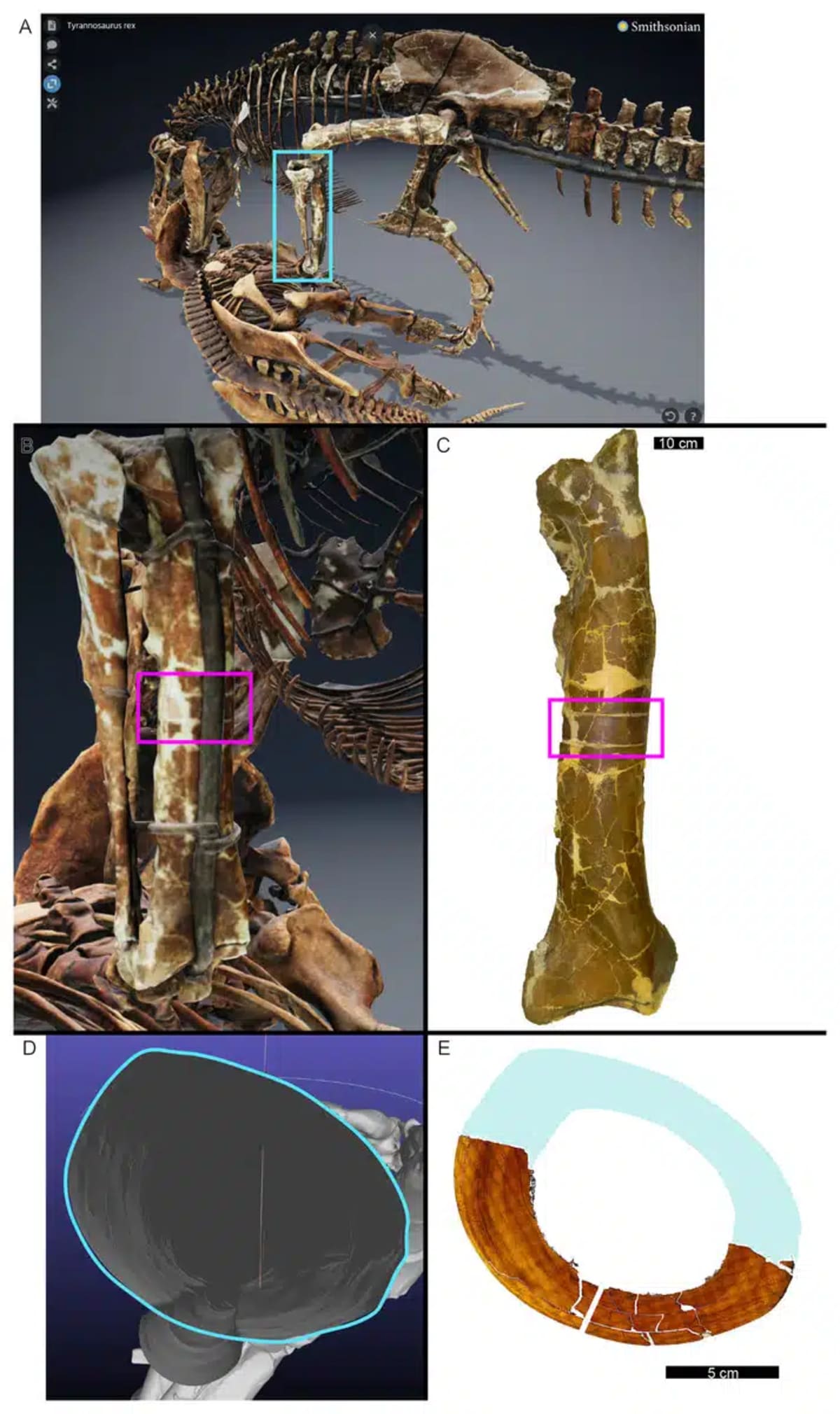
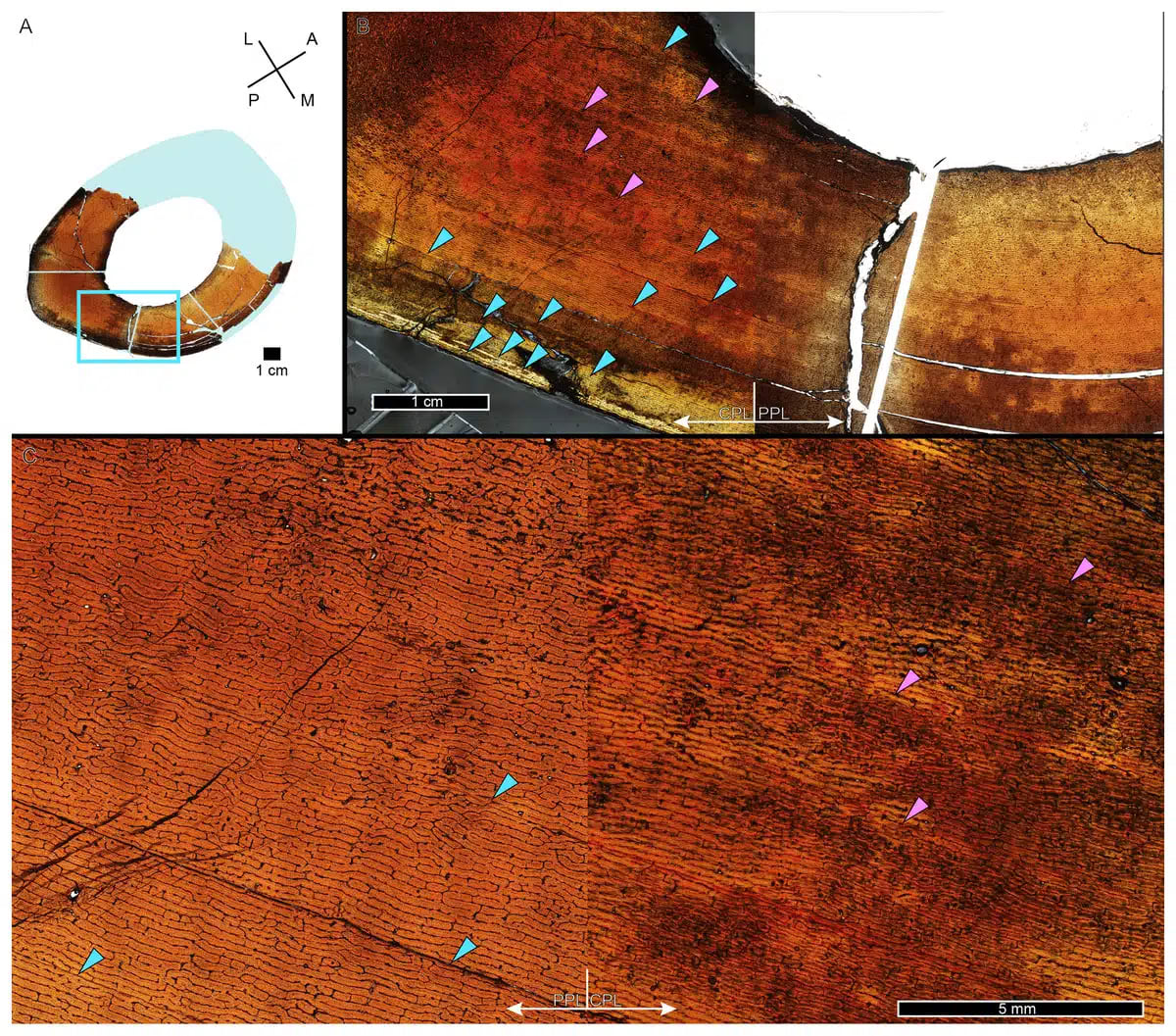
Holly Woodward from Oklahoma State University led the largest analysis of T. rex growth ever conducted. Her team used polarized light imaging to uncover hidden growth rings in fossilized leg bones, similar to counting tree rings to determine age.
"Examining the growth rings preserved in the fossilized bones allowed us to reconstruct the animals' year-by-year growth histories," Woodward explained. The advanced imaging revealed details that traditional methods had completely missed.
The discovery changes our understanding of how these apex predators lived. Instead of racing to full size in their twenties, T. rex experienced a gradual, decades-long growth process that likely shaped their behavior and survival strategies.
Why This Inspires
This slower growth timeline actually reveals nature's genius at work. Young T. rex dinosaurs at different life stages could have filled different roles in their ecosystem, avoiding competition with their elders for food and territory.
"A four-decade growth phase may have allowed younger tyrannosaurs to fill a variety of ecological roles within their environments," said co-author Jack Horner from Chapman University. This ecological flexibility might be exactly what allowed T. rex to dominate the Late Cretaceous Period as the ultimate predator.
The research also suggests some famous fossils, including specimens nicknamed "Jane" and "Petey," showed such different growth patterns they might belong to a separate species called Nanotyrannus. The T. rex family tree appears far more complex than scientists previously imagined.
This discovery reminds us that even our most iconic creatures still hold secrets, and patient scientific work continues revealing the remarkable ways life adapts and thrives.
More Images

Based on reporting by Google News - Science
This story was written by BrightWire based on verified news reports.
Spread the positivity!
Share this good news with someone who needs it