%2Ffile%2Fattachments%2Forphans%2F20260218_172147_474465.jpg)
Table Mountain's Tiny Bugs Keep Cape Town's Water Alive
Scientists are using stoneflies and tadpoles to monitor Table Mountain's hidden rivers. The ancient mountain works like a giant sponge, slowly filtering water that feeds Cape Town long after the rain stops.
The bugs clinging to rocks in Table Mountain's tiny streams are doing something remarkable. They're telling scientists exactly how healthy Cape Town's hidden water system really is.
Dr. Ruth Fisher doesn't measure water quality with charts or satellite images. She reads it through stoneflies, black fly larvae, and ghost frog tadpoles living in the mountain's narrow streams.
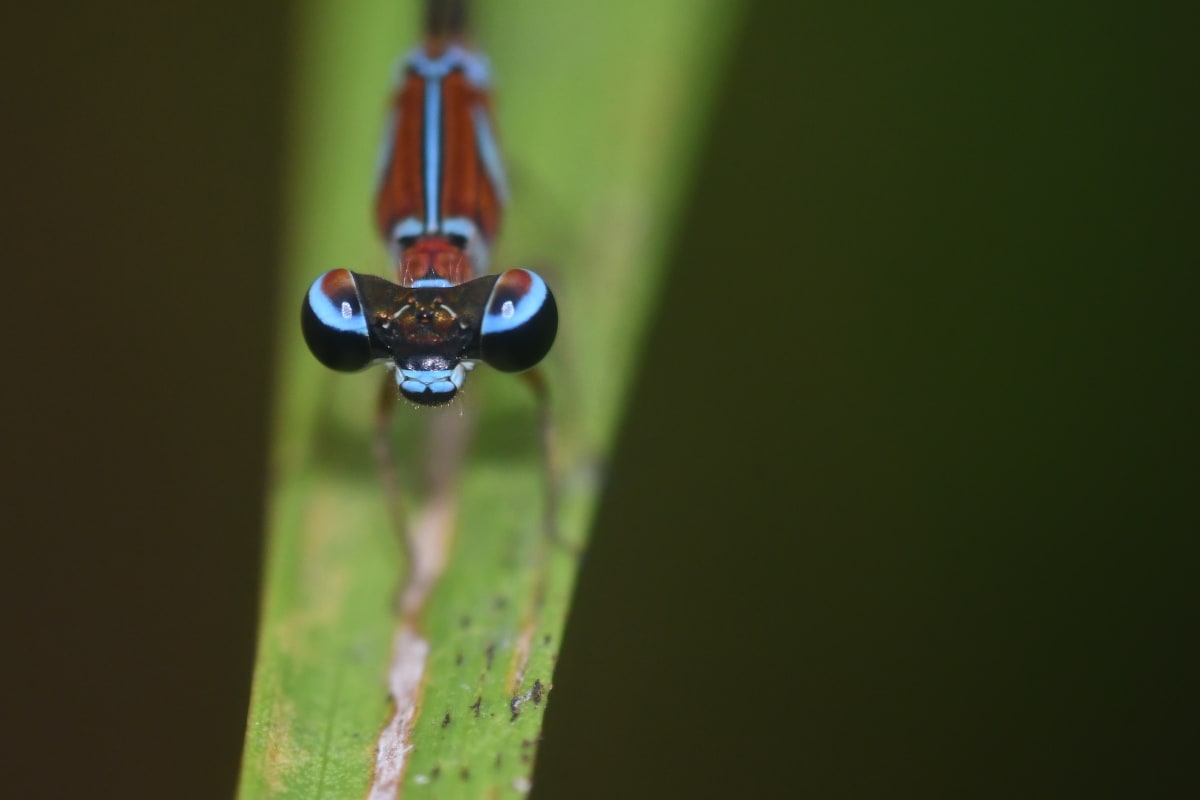
These small creatures are surprisingly chatty if you know how to listen. Stoneflies only survive in cold, oxygen-rich water that's nearly pristine. When Fisher finds them, she knows the stream is thriving. When they disappear from places they used to be, alarm bells ring.
Table Mountain isn't just a postcard backdrop. It's actually a giant wetland, an ancient piece of natural plumbing that catches rain, holds it in layers of sandstone, and slowly releases clean water into Cape Town's underground aquifers.
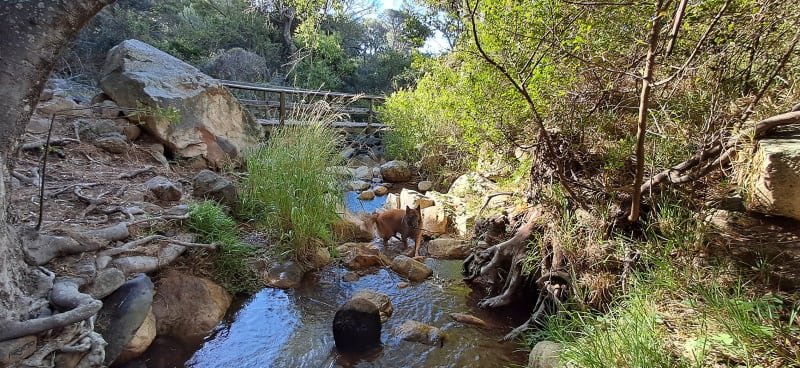
Those narrow trickles most hikers step over are real rivers doing serious work. They support species found nowhere else on Earth, including the Table Mountain ghost frog whose tadpoles take two years to develop and need crystal-clear, stable streams to survive.
Black fly larvae glued to rocks tell different stories. When Fisher finds sudden swarms of them, the river is warning that too much sediment or debris is flowing through. Each species is a living sensor, reporting on oxygen levels, temperature, and how disturbed the water has become.
The mountain faces real threats. Alien trees like gums and wattles drink more water than native fynbos, burn hotter during fires, and dump leaf litter that smothers stream habitats. After fires, ash and soil wash into streams in heavy pulses, filling old dams with sediment.
Why This Inspires
Fisher's team has discovered that most of Table Mountain's freshwater systems are still in remarkably good shape. The rivers remain stable, near-natural, and functional despite centuries of human presence.
The mountain's wetlands act as natural buffers, slowing water down and trapping sediment before it causes damage. These subtle seeps and valley bottoms allow water to sink sideways into soil and rock instead of rushing destructively downhill.
Once you learn to read the landscape through plants and bugs, Fisher says, you start seeing wetlands everywhere. The whole mountain becomes visible as what it truly is: a slow-release valve that's been quietly keeping Cape Town hydrated for thousands of years.
The tiny creatures clinging to those cold mountain rocks are proof that nature's oldest water systems still work beautifully when we let them.
More Images

%2Ffile%2Fattachments%2Forphans%2FStreamDonPinnock-2_694633.jpg)
%2Ffile%2Fattachments%2Forphans%2FStreamDonPinnock_992179.jpg)
Based on reporting by Daily Maverick
This story was written by BrightWire based on verified news reports.
Spread the positivity!
Share this good news with someone who needs it