Tamil Nadu Prepares 2.7M People for Climate Disasters
Villages in Tamil Nadu are getting solar lights, clean water systems, and restored canals before the next cyclone or flood hits. The state's Climate Resilient Village programme is teaching 2.7 million people how to face extreme weather and bounce back faster.
When salt creeps into a coastal village's water supply or a storm knocks out power for days, climate change stops feeling like a distant crisis and starts feeling like daily survival.
For millions of families across Tamil Nadu, floods, droughts, and cyclones are becoming so frequent that communities barely recover before the next disaster arrives. But a new state programme is changing that pattern by helping villages prepare before extreme weather strikes, not after.
The Climate Resilient Village programme now covers 2.7 million people across Tamil Nadu, bringing practical solutions tailored to each community's biggest threats. Coastal villages get different support than mountain communities because their risks look completely different.
Teams started by mapping what each village actually needed. They used climate data, drone surveys, and conversations with local families to understand whether flooding, water scarcity, or waste posed the biggest danger.
In flood-prone areas, workers restored blocked canals so rainwater has somewhere to flow during heavy monsoons. Schools received water purification systems so kids can drink safely even when groundwater turns salty. Solar panels went up on cyclone shelters, health centers, and village buildings so lights stay on when the grid goes dark.
These additions might sound simple, but during a cyclone, having a lit shelter or clean drinking water can mean the difference between chaos and coordinated safety. Solar streetlights keep public spaces navigable when power lines fail.
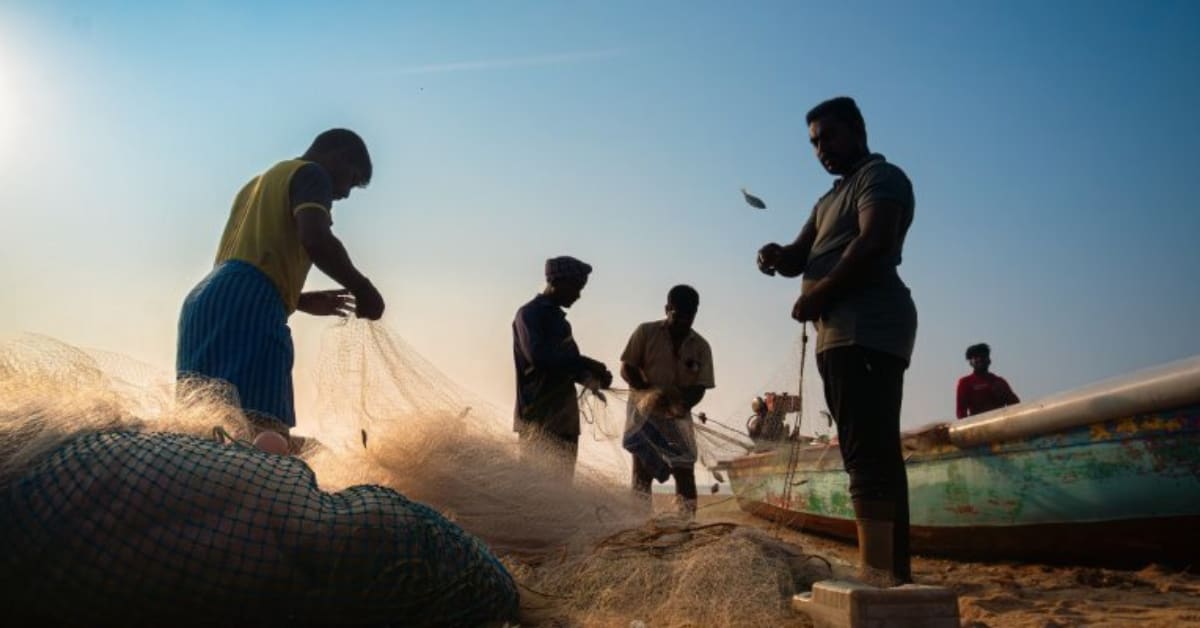
The programme recognizes that not every family recovers from disasters the same way. A fishing family living in a fragile home and earning daily wages can be pushed into months of debt by one flooded week, while a household with stable income and a stronger structure rebuilds more easily.
Research shows that housing quality, sanitation access, income stability, and education level all affect how severely a community experiences extreme weather. Tamil Nadu's approach addresses these inequalities directly by targeting support where vulnerability runs deepest.
The Ripple Effect
Beyond physical infrastructure, the programme is teaching villages to spot warning signs early and respond collectively. When communities understand their specific climate risks and have tools to manage them, recovery time shrinks and fewer families fall into crisis.
The model connects people with knowledge and resources they can actually use. Forest communities learn to protect ecosystems that support their livelihoods. Tourism villages get waste management systems that keep beaches clean and visitors coming back.
Climate resilience turns out to be about fairness as much as flood walls. It asks which families have the least protection and what would help them recover with dignity when the next storm arrives.
Across Tamil Nadu's coasts, hills, and river valleys, 2.7 million people are learning that preparation beats scrambling when disaster strikes.
More Images
.png)
%2Fenglish-betterindia%2Fmedia%2Fmedia_files%2F2026%2F05%2F25%2Ftamil-nadu-climate-2026-05-25-16-50-56.png)


Based on reporting by The Better India
This story was written by BrightWire based on verified news reports.
Spread the positivity!
Share this good news with someone who needs it