Tamil Nadu's 'Tree of Life' Revived by Community Tourism
A centuries-old Palmyra tree culture that once sustained millions is being rescued through a creative blend of eco-tourism and traditional knowledge sharing. The effort is bringing new life to skills that feed families across eight generations.
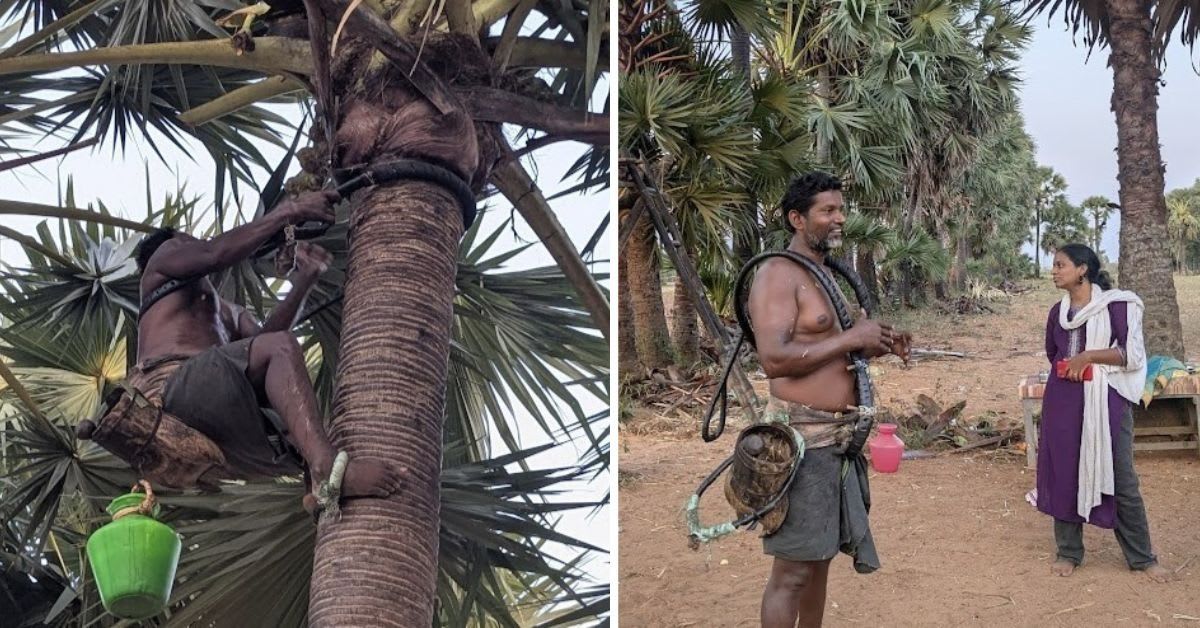
For eight generations, Pandiya's family has climbed the towering Palmyra trees dotting Tamil Nadu's coastal plains, collecting sweet sap at dawn and nurturing a way of life older than anyone can remember.
The Palmyra tree, known locally as the "Tree of Life," once thrived across Tamil Nadu with over 51 million standing tall. Today, only 30 million remain as urbanization and changing economies threaten to erase both the trees and the intricate knowledge systems built around them.
But a Pondicherry organization called Outdoor Being is turning the tide with an innovative approach. They're transforming traditional Palmyra knowledge into immersive tourism experiences, bringing visitors to meet climbers like Pandiya and learn why this single tree species matters so deeply.
The numbers tell an impressive story. Ancient Tamil texts documented 801 uses for the Palmyra, from food and medicine to construction materials. Its deep roots stabilize soil and retain groundwater. During the devastating 2004 tsunami, Palmyra groves along the coast acted as natural barriers, protecting villages from severe damage.
"I have lived alongside Palmyra trees my entire life," Pandiya explains. "The products, medicines and opportunities the tree provides feel like a blessing and give our lives a sense of meaning."
His daily work involves collecting pathaneer, the tree's nutritious sap, and harvesting nungu, the translucent ice apple that's become a summer staple. Women in his village weave the sturdy leaves into baskets and mats, techniques passed down through countless generations.
Founder Puviarasan S notes how awareness is growing alongside the tourism efforts. People are rediscovering that Palmyra jaggery, while not sugar-free as once believed, contains higher levels of iron, potassium and calcium than regular sweeteners.
The tree bridges religious communities too. Hindus, Christians and Muslims all incorporate Palmyra products into their rituals and festivals, making it a rare symbol of shared cultural heritage.
The Ripple Effect
The community tourism model is creating multiple wins at once. Families like Pandiya's gain sustainable income while practicing their traditional skills. Visitors leave with deeper appreciation for indigenous knowledge systems. Young people see their heritage valued rather than dismissed as outdated.
The approach also protects biodiversity, as Palmyra trees provide crucial habitat for birds and insects while enriching surrounding soil. What started as cultural preservation has become an ecological lifeline.
"This way of life is sustainable, self-reliant and supports the local economy of our village," Pandiya says. "The work keeps us healthy and brings us happiness."
His hope that future generations will continue the tradition now seems more achievable, as tourism dollars flow back to communities and renewed interest brings the Tree of Life back into focus.
More Images
%2Fenglish-betterindia%2Fmedia%2Fmedia_files%2F2026%2F03%2F31%2Ftbi-featured-image-65-2026-03-31-15-51-17.jpg)
%2Ffilters%3Aformat(webp)%2Fenglish-betterindia%2Fmedia%2Fmedia_files%2F2026%2F03%2F31%2Fpxl_20250430_111018900-2026-03-31-15-51-49.jpg)
%2Ffilters%3Aformat(webp)%2Fenglish-betterindia%2Fmedia%2Fmedia_files%2F2026%2F03%2F31%2Fimg20250524092912-2026-03-31-15-52-08.jpg)
Based on reporting by The Better India
This story was written by BrightWire based on verified news reports.
Spread the positivity!
Share this good news with someone who needs it