Tanzania's Electric-Blue Gecko Bounces Back from Near Extinction
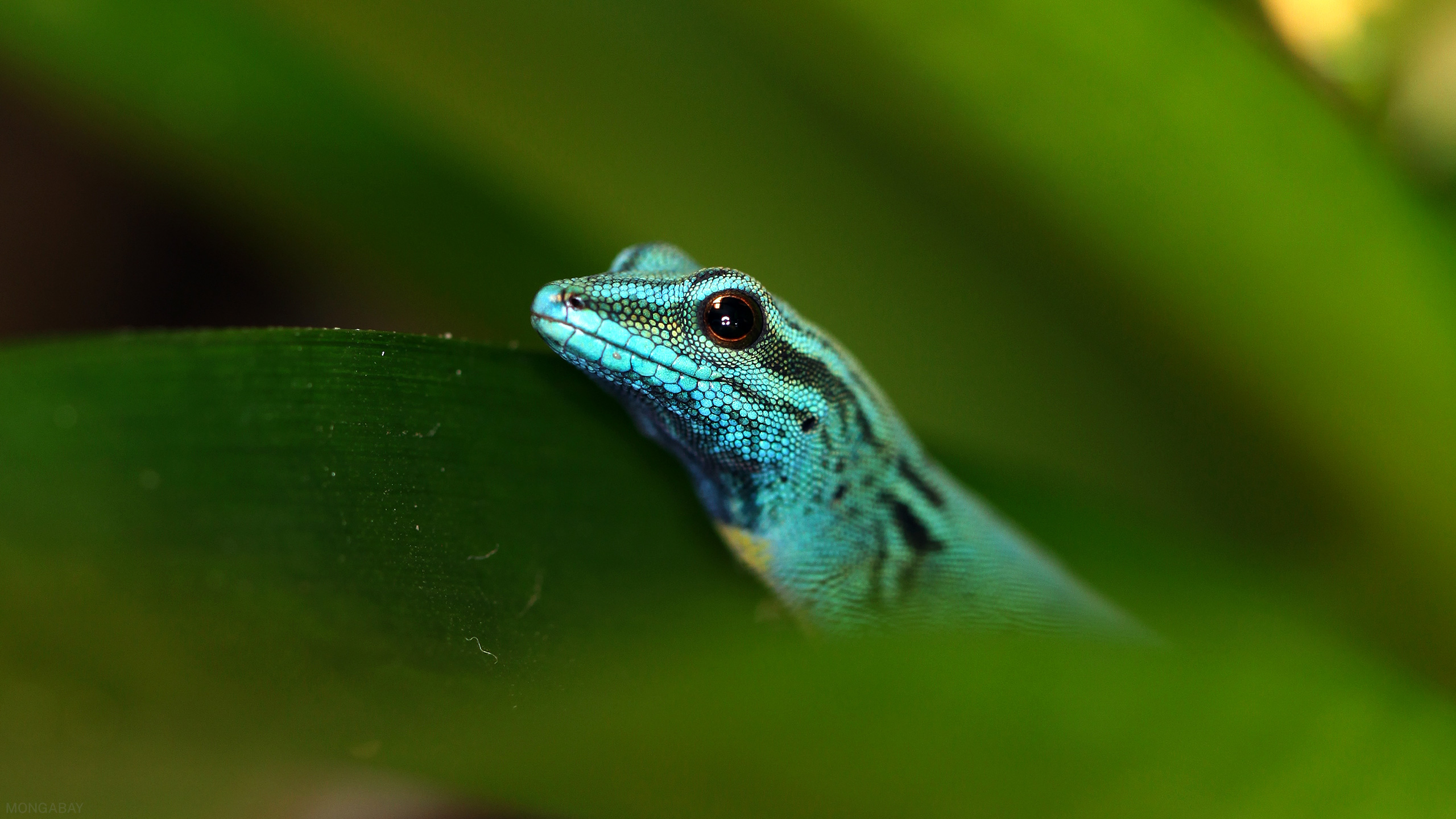
A tiny electric-blue gecko in Tanzania is thriving again after collectors nearly wiped it out for the pet trade. The turnaround required a trade ban, captive breeding, and villagers removing 100,000 invasive trees from the gecko's forest home.
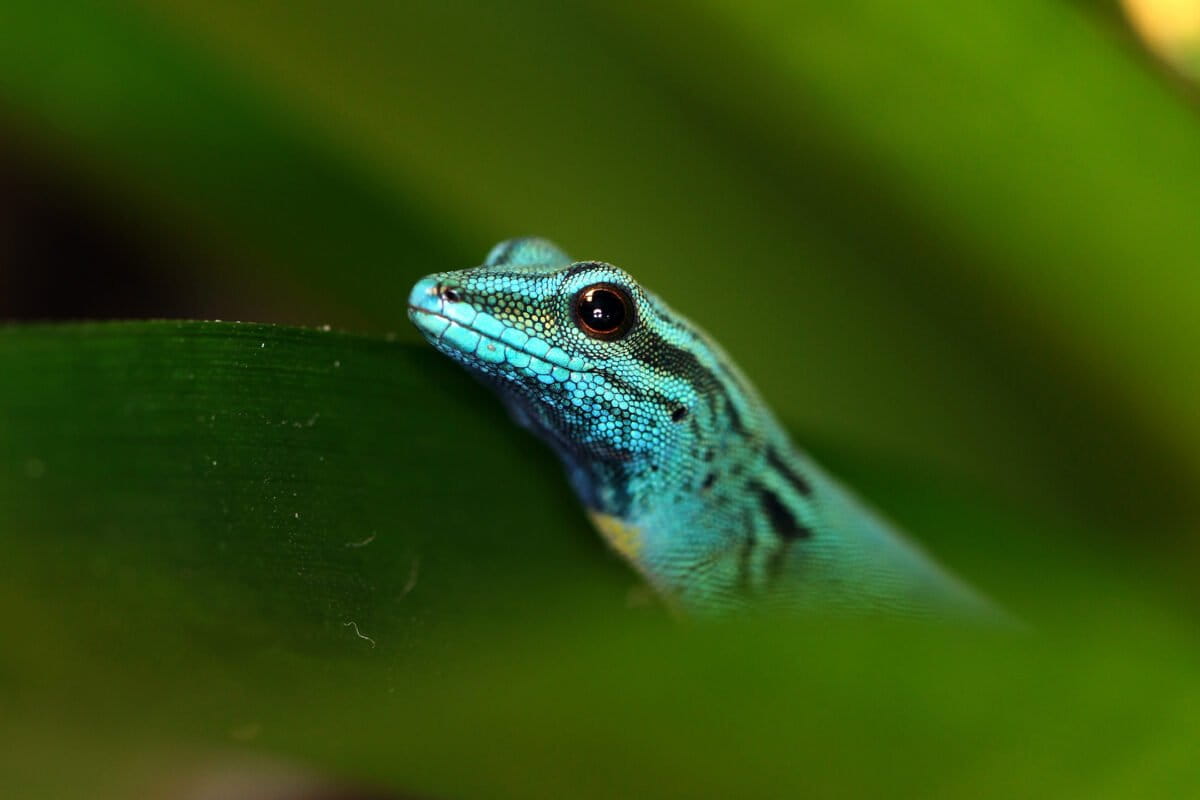
A gecko small enough to sit on your thumb was disappearing from Tanzania's forests because collectors wanted it for pet shops around the world.
The electric-blue gecko's story could have ended there. Instead, it became proof that conservation actually works when communities stick with it for years.
The problem started when collectors cut down the screwpines where these brilliant blue geckos lived. Populations crashed as dealers shipped the animals overseas to buyers willing to pay for such a striking pet.
In 2017, governments banned international commercial trade in the species. Captive breeding programs began producing geckos for the pet market, taking pressure off wild populations.
But protecting the gecko meant healing its habitat too. In Kimboza forest, villagers and rangers partnered with ecologist Charles Kilawe on an enormous project: removing invasive Spanish cedar trees that were choking out native plants the geckos needed.
Since 2016, they've cut down nearly 100,000 invasive trees. They've planted thousands of native trees each year to replace them. The forest fires that once threatened the habitat have declined.
Today, the gecko population is recovering. The species that seemed headed for extinction is bouncing back in its restored forest home.
The Ripple Effect
The gecko's recovery shows what happens when multiple solutions work together. A trade ban stopped the bleeding. Captive breeding reduced demand for wild animals. Local people did the daily work of restoring habitat, tree by tree.
This approach matters far beyond one forest in Tanzania. Governments are meeting now in Armenia for biodiversity talks, reviewing progress on protecting 30% of land and seas by 2030. Only four years remain to hit that target.
The conference comes at a tough moment. The previous global biodiversity agreement set 20 targets for 2020, and countries didn't fully achieve a single one. Wars are draining budgets. Some governments restrict the freedoms that environmental protection requires.
Yet the gecko offers real hope. Conservation can bring species back when communities get sustained funding and support for their work. Forest elephants carry seeds in their bellies, helping forests regrow. Protecting these animals protects entire ecosystems for generations.
The Kimboza forest recovery required years of daily effort from people willing to cut down invasive trees and plant native ones. International agreements work only when they support the people doing that ground-level work, and when funding lasts longer than a single election cycle.
Small victories like saving one blue gecko show that turning commitments into action really can stop species from vanishing forever.
More Images



Based on reporting by Mongabay
This story was written by BrightWire based on verified news reports.
Play Today’s BrightWire Positive Mini Crossword & Word Game
Keep your mind sharp with our free 5-minute uplifting daily crossword and positivity word puzzle.
Spread the positivity!
Share this good news with someone who needs it